 Skagit County
 Window Installation Built for Skyline's Coastal Conditions
Skyline sits close enough to the water that its homes take a different kind of weather beating than houses inland. Salt-laden air works into metal components and finishes, driving rain finds its way behind poorly flashed trim, and a long moss season keeps everything shaded and damp for months at a time. Windows are one of the first places that shows up. A window that would last two decades in a drier part of the state can start failing in half that time here if it wasn't installed with this specific climate in mind.
This page is about one job, done right, in one place: window installation for homes in and around Skyline. Not a general overview of windows everywhere — what actually matters for houses dealing with Skagit County's marine climate.
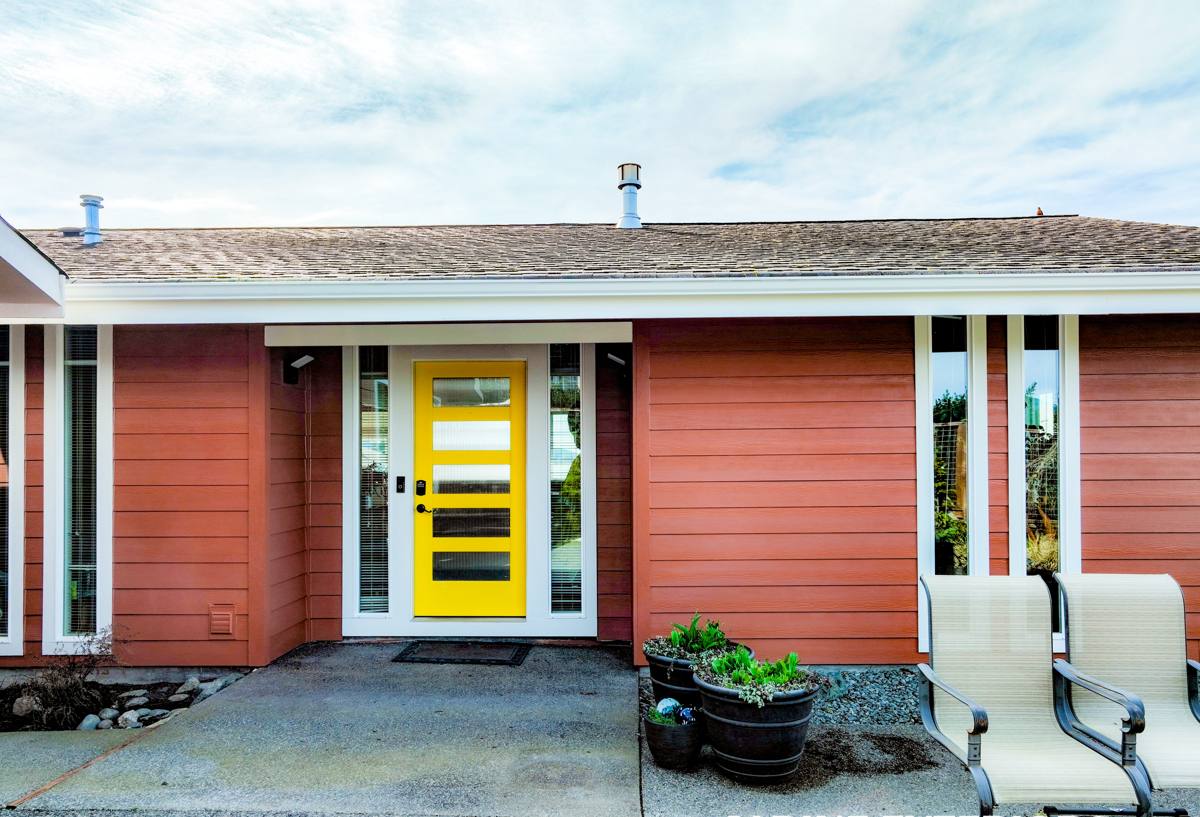
What Salt Air, Rain, and Moss Actually Do to Windows
Salt Air
Airborne salt is corrosive to unprotected metal — hardware, screws, flashing, and older aluminum frames all take the hit over time. It also degrades certain sealants and finishes faster than manufacturers' standard warranties assume, because those warranties are usually written for average inland exposure, not a marine environment.
Driving Rain
Wind-driven rain doesn't just fall on a window — it gets pushed sideways and upward into any gap in the flashing or sealant. A window that's watertight in a light straight-down rain can still leak during a windstorm if the flashing details weren't done correctly. This is the single most common cause of hidden water damage we find around older window openings.
Moss Season
Shaded, damp conditions for much of the year mean moss and algae get a foothold anywhere water sits or drainage is slow — on sills, in track channels, and in trim details that don't shed water cleanly. Beyond looking bad, sustained moisture against wood trim and sheathing is exactly what leads to rot.
Signs a Skyline Home's Windows Need Attention
Because damage often happens behind the trim before it's visible on the surface, it helps to know what to check for:
- Soft or discolored wood trim around the window frame, especially at the bottom corners
- Fogging or moisture between panes of double-glazed glass, indicating a failed seal
- Windows that stick, won't stay open, or have become hard to lock
- Visible gaps, cracked caulk, or daylight around the frame edges
- Persistent moss, black staining, or a musty smell near window openings
- Noticeable drafts or a cold spot near the window even with it fully closed
- Paint or finish that's peeling or bubbling on interior trim near the glass
Any one of these on its own might be minor. Two or three together, especially near the same window, usually means water has already gotten past the original flashing.
What a Correct Window Installation Actually Involves
Swapping the glass unit itself is the easy part. The work that determines whether the installation lasts is almost all in the details around the opening:
Removal Without Hidden Damage
Old windows have to come out without tearing the surrounding wall assembly, and the opening needs a real inspection while it's exposed — this is when we find out if there's rot in the sill or framing that needs to be addressed before a new window goes in. Installing a new window over a compromised opening just hides the problem for a while.
Flashing and Water Management
Correct flashing directs any water that gets past the exterior siding back out, rather than letting it pool at the sill or track down into the wall. In a climate with regular driving rain, this is the difference between a window that stays dry for thirty years and one that causes a repair call in five.
Sealant and Weatherproofing
The right sealant, applied in the right sequence relative to the flashing tape and house wrap, keeps both bulk water and air infiltration out. Sealant alone is never a substitute for proper flashing — it's a second line of defense, not the primary one.
Insulation and Air Sealing
The gap between the window frame and the rough opening needs to be insulated without over-packing it, which can bow the frame and affect operation. Done correctly, this also cuts down on drafts and helps with energy costs.
Finish Work
Interior and exterior trim gets reset or replaced so the finished opening looks clean and, just as important, sheds water the way it's designed to rather than trapping it against the frame.
Choosing Materials for This Climate
Not every window product performs the same way under salt air and constant moisture exposure. We install based on what holds up here, not just what's cheapest up front.
| Frame Material | Moisture & Salt Air Behavior | Maintenance |
|---|---|---|
| Vinyl | Doesn't corrode or rot; performs well in coastal air with minimal upkeep | Low — occasional cleaning |
| Fiberglass | Very stable in moisture and temperature swings; strong long-term option | Low |
| Aluminum | Prone to corrosion and condensation in salt air unless well-treated; conducts cold | Moderate to high |
| Wood (uncladded) | Attractive but vulnerable to rot without diligent upkeep in a wet climate | High — regular sealing/painting |
| Wood-clad (vinyl or aluminum exterior) | Wood interior look with a protected exterior shell; good option if detailed correctly | Low to moderate |
Our standard recommendation for most Skyline homes is vinyl or fiberglass for the best balance of long-term performance and reasonable maintenance. We'll still install wood or wood-clad windows when a homeowner wants that look, but we're upfront that it comes with a real maintenance commitment in this climate — that's a trade-off, not a defect in the product.
How We Handle a Window Installation Job
- On-site assessment — We look at every window being replaced, check the surrounding trim and sheathing for existing moisture damage, and talk through what's actually needed versus what could wait.
- Measuring and product selection — Exact measurements are taken for each opening, and we go over material and style options suited to the home and its exposure.
- Written estimate — A clear scope of work and price before anything is ordered, so there are no surprises.
- Removal and opening inspection — Old windows come out carefully, and we address any rot or damage found before installing the new unit.
- Flashing, insulation, and sealing — Installed in the correct sequence for full water management, not just caulked in place.
- Trim and finish — Interior and exterior trim finished cleanly, with attention to how it sheds water going forward.
- Final walkthrough — We check operation, seals, and appearance with the homeowner before calling the job done.
What Affects the Cost of Window Installation
Every home and every job is different, but the main cost drivers are consistent. This gives a general sense of where the money goes — not a quote, since that depends on your specific windows and home.
| Factor | Why It Matters | Relative Cost Impact |
|---|---|---|
| Window material (vinyl vs. fiberglass vs. wood-clad) | Material cost and long-term performance vary | $ to $$$ |
| Number of windows replaced at once | Bundling work reduces per-window labor cost | Lower per unit with more windows |
| Size and style (standard vs. custom shapes, bay/bow windows) | Custom sizes and multi-part units take more labor and material | $$ to $$$ |
| Condition of the existing opening | Rot or framing damage found during removal adds repair time | Variable — depends on damage found |
| Trim and siding detail work | Matching existing trim profiles or siding takes more finish time | $ to $$ |
| Access and site conditions | Second-story or hard-to-access windows take longer to install safely | $ to $$ |
As a broad guide, typical single-window replacement projects run from a few hundred dollars per window on the low end for standard sizes and materials, up into the low thousands for larger, custom, or higher-end units. Any number worth trusting comes after we've actually looked at your windows.
Why Hiring a Crew That Already Works in Skyline Matters
A window installer who mostly works drier, inland areas is used to a different set of failure points. A crew that regularly does window work in coastal Skagit County knows to check for the moisture and salt-air issues that show up here specifically — the trim details that fail first, the flashing mistakes that let driving rain in, the spots where moss and algae take hold because drainage was never quite right. That familiarity shows up in fewer callbacks and windows that actually hold up through the wet season instead of just looking fine when they're first installed.
It also means realistic scheduling. Exterior window work depends on weather windows, and a local crew has a better read on when conditions will actually cooperate rather than guessing from a forecast.
Keeping New Windows Performing Long-Term
A correct installation is most of the battle, but a little homeowner upkeep extends the life of the work considerably:
- Rinse salt residue off frames and glass periodically, especially after storms
- Keep gutters and nearby drainage clear so water isn't sitting near window sills
- Check and refresh exterior caulking every couple of years, sooner if you notice cracking
- Remove moss or algae buildup on sills and trim before it holds moisture against the surface
- Operate windows a few times through the year so hardware and weatherstripping don't seize up
None of this is complicated, but skipping it is how a well-installed window ends up with an avoidable problem five or ten years down the line.
Get a Straight Answer on Your Windows
If you're dealing with drafts, moisture, or windows that just aren't performing the way they should in a home in or near Skyline, we're glad to take a look. Fill out the form below for a free, no-pressure estimate — we'll tell you honestly what your windows actually need, not what's easiest to sell.