 Skagit County
 Deck Building Built for Skyline's Weather, Not Just Its View
Homes in the Skyline area sit up where the weather off the water reaches them first. That elevated, exposed setting is part of why people love living there, but it's also exactly why a deck built with generic, one-size-fits-all methods tends to disappoint within a few years. Salt-laden air, wind-driven rain, and a moss season that can run half the year all work on a deck's fasteners, framing, and surface in ways that inland decks never have to deal with. Building a deck that actually holds up here isn't about using fancier materials across the board — it's about knowing which details matter in this specific environment and not cutting corners on them.
This page covers what a deck built for a Skyline home actually needs, what a correct build looks like from the footings up, and how we approach the job differently than a crew that mostly builds decks in drier, more sheltered parts of Skagit County.
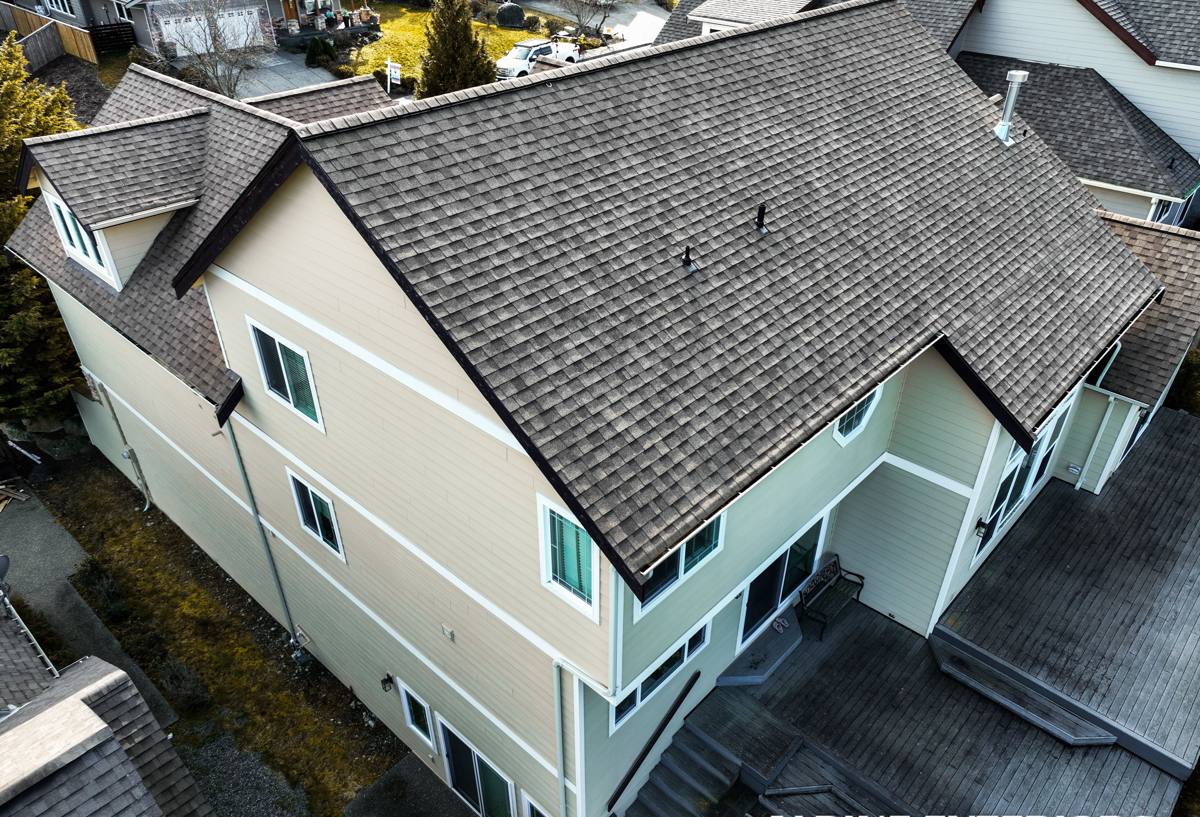
What Skyline's Location Demands From a Deck
Salt Air and Metal Fasteners
Proximity to saltwater speeds up corrosion on anything metal — nails, screws, joist hangers, bolts, and railing hardware. Standard electro-galvanized fasteners that might be fine forty miles inland can start rusting and staining a deck's surface within a couple of seasons this close to the water. That rust isn't just cosmetic; corroding hardware weakens connections at exactly the points — ledger boards, joist hangers, post bases — where the structure depends on them most.
Driving Rain and Water Management
Skagit County gets plenty of rain generally, but wind-driven rain in an exposed, elevated spot like Skyline hits surfaces at an angle, which means water finds its way into gaps and connections that a straight-down rain never would. Every horizontal surface and every place decking or framing meets the house needs to shed that water on purpose, not by accident.
Moss, Algae, and a Long Growing Season
Shade, moisture, and mild temperatures for much of the year add up to a long moss and algae season on any north-facing or heavily shaded deck surface. Beyond looking bad, moss holds moisture against decking and makes stairs and walking surfaces genuinely slippery. Deck design — spacing, drainage, surface choice — either fights this or feeds it.
Decking Material Options for Skagit County Homes
There's no single "right" decking material for every Skyline home — it depends on budget, how much upkeep you want to do, and how exposed the deck is. Here's how the common options actually compare in this climate, honestly:
| Material | Moisture/Moss Behavior | Maintenance | Typical Lifespan Here |
|---|---|---|---|
| Pressure-treated lumber | Handles moisture well when properly sealed; can hold surface moss if not cleaned | Needs re-sealing every 1–2 years; periodic cleaning | 15–20 years with upkeep |
| Cedar | Naturally rot-resistant but softer surface; still needs sealing against constant damp | Regular sealing/staining; more sensitive to neglect | 15–20 years with consistent care |
| Composite decking | Won't rot; still gets algae/moss film on the surface in shade and needs cleaning | Occasional washing; no staining or sealing | 25–30+ years, manufacturer-dependent |
Composite decking generally makes the most sense for shaded, moisture-heavy Skyline lots where homeowners don't want an annual maintenance chore. Cedar and pressure-treated wood are perfectly good choices too — and often the right call for matching an existing home's look or keeping upfront cost down — but they only perform well long-term if someone actually keeps up with sealing on schedule. We'll give you a straight opinion on which fits your situation rather than pushing whatever's easiest for us to install.
The Ledger Board Connection: Where Deck Building Meets Your Siding
The single most failure-prone point on almost any attached deck is the ledger board — the piece that bolts the deck framing directly to the house. Done wrong, it's also one of the most common sources of hidden water damage to siding and wall framing, because that connection punches straight through your home's weather barrier.
A correct ledger installation flashes the ledger board so water is directed out and away from the house, not trapped behind it. It also accounts for whatever siding is already there — the ledger has to seat properly against the wall without leaving gaps behind the siding for water to migrate into. Because we work on siding and exterior water management every day, this is a detail we treat with the same care as a roof-to-wall flashing detail, not as an afterthought bolted on after the framing crew leaves.
Structural Basics We Never Skip
Footings and Post Bases
Footings need to be sized and set to Skagit County's frost and soil requirements, and post bases need to hold the post up off the concrete so it isn't sitting in standing water after every storm. On sloped or elevated Skyline lots, footing depth and placement also have to account for the actual grade, not just a flat-lot assumption.
Joist Protection and Hardware
Joist tape or an equivalent moisture barrier over the tops of joists keeps water from wicking into end grain, which is where rot typically starts on an otherwise sound deck. Combined with corrosion-resistant hardware sized correctly for the load, this is the difference between a deck that's still solid in fifteen years and one with soft spots showing up in five.
Railings and Code
Guardrails, baluster spacing, and stair rail requirements are set by code and vary with deck height. We build to current code as a baseline, not a minimum to argue about — a railing is one of the few parts of a deck where "close enough" isn't acceptable.
Permits and Inspections
Most attached decks above a certain height, and many freestanding ones, require a permit through Skagit County, with an inspection at the framing stage before decking goes down. Skipping this isn't a shortcut — it can complicate a future home sale and, more immediately, means nobody with authority ever checked the framing and connections before they were covered up. We handle the permit process as part of the job rather than leaving it for the homeowner to sort out.
Our Deck Building Process
A deck project for a Skyline home typically moves through these stages:
- On-site assessment of the lot, grade, sun/shade exposure, and how the deck will attach to the house
- Material recommendation based on your budget, maintenance preference, and how exposed the deck location is
- Permit drawings and submission to Skagit County where required
- Footing and post base installation, sized for the actual soil and load conditions on site
- Framing with corrosion-resistant hardware and joist protection at every connection
- Flashed, properly integrated ledger board attachment that respects your home's existing siding and weather barrier
- Decking installation with attention to drainage and spacing that discourages moss buildup
- Code-compliant railing and stair installation
- Final walkthrough and, where applicable, county inspection sign-off
Living With a Deck Through Moss Season
Even a well-built deck needs some seasonal attention in Skagit County. A yearly cleaning — a stiff brush and a deck-safe cleaner, or a gentle wash for composite — before moss gets established in fall and winter goes a long way. Trimming back overhanging branches to let more light and air onto the deck surface reduces how much moss takes hold in the first place. Wood decks need their sealant checked annually; if water stops beading on the surface, it's time to reseal before the wet season sets in. None of this is complicated, but skipping it for a few years in a row is how a good deck starts looking neglected well before it actually is.
Why a Crew That Already Works in Skyline Makes a Difference
Building decks in this specific spot means already knowing which fastener grades hold up, how far wind-driven rain reaches under an eave, and how a ledger board needs to tie into the siding types common on homes up here. A crew coming from a drier, more sheltered part of the county without that experience is more likely to build to a generic standard that simply wasn't designed for this exposure — and you're the one who finds out the hard way, years later, when hardware is rusting or a ledger board is leaking into the wall behind it.
If you're planning a new deck or replacing one that's past its best years, we're happy to take a look and talk through honest options for your specific lot and budget — no pressure, no obligation. Use the form below to request a free estimate.