 Skagit County
 Siding in Edison: Built for Skagit County's Coastal Weather
Edison sits in the low, open flats of western Skagit County, close enough to the water that homes here take a different kind of weather beating than siding a few miles inland. Salt-laden air moves in off the bay, driving rain comes through sideways more often than not, and the shaded, damp stretches of the year give moss and algae plenty of time to take hold. Siding installed here has to be chosen and installed with that reality in mind, not treated the same as a job in a drier part of the state.
We install siding for homes throughout Skagit County, and Edison's combination of salt exposure, wind-driven rain, and long wet winters is one of the more demanding environments we work in. This page covers what that means for a siding project on an Edison home, what a correct installation actually involves, and how our process is built around this specific climate.
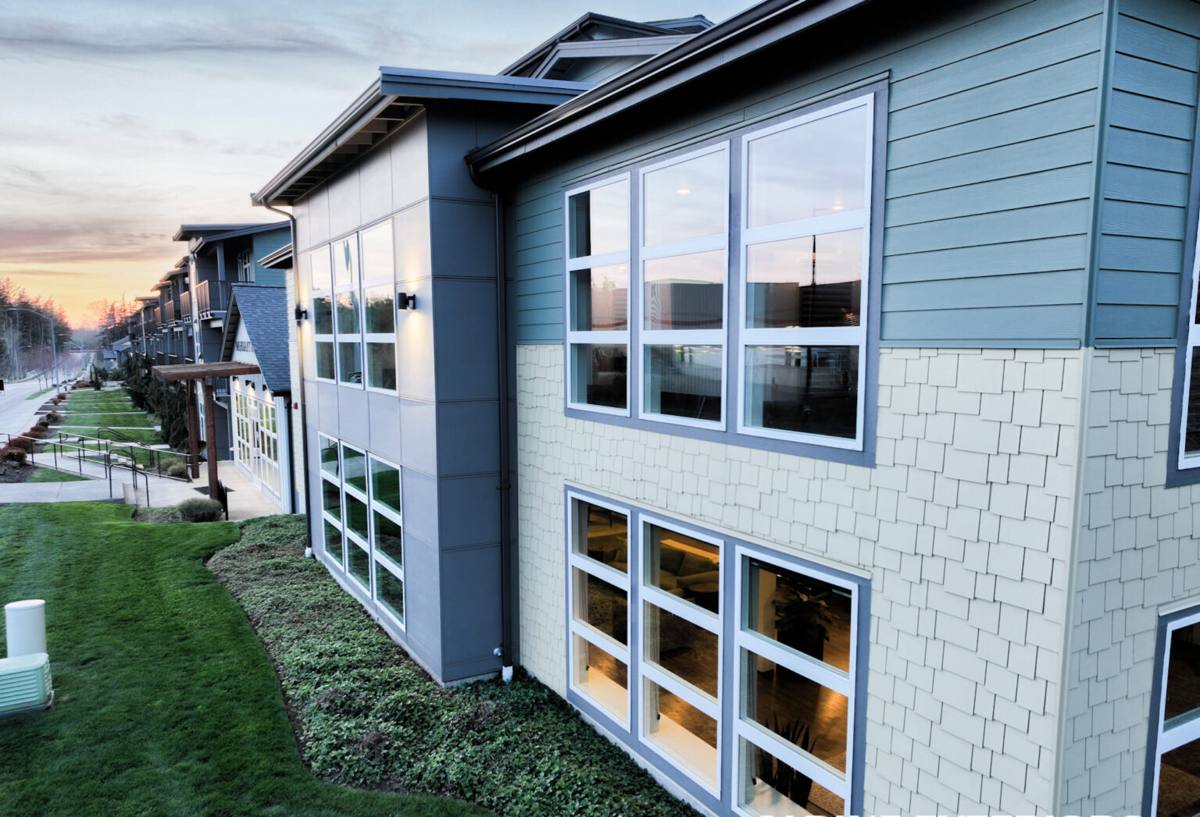
What This Climate Does to Siding Over Time
Salt Air and Corrosion
Homes near the bay pick up airborne salt that settles on exterior surfaces and speeds up corrosion of fasteners, trim, and any siding material that isn't formulated to resist it. Over years, that exposure shows up as rust bleed at nail heads, pitting on lower-grade metal trim, and premature breakdown of paint and caulk lines facing the water.
Driving Rain and Wind-Driven Moisture
Skagit County storms don't always fall straight down. Wind off the flats pushes rain sideways into wall assemblies, which means siding, flashing, and seams get tested at angles a lot of installation shortcuts simply don't account for. A siding job that looks fine on a calm day can leak the first time a real storm hits from the wrong direction.
Moss, Algae, and Shaded Exposures
Long gray winters and shaded north- and east-facing walls stay damp for extended stretches, which is exactly the environment moss and algae need to establish themselves. On siding materials that aren't resistant to sustained moisture, that growth holds water against the surface and accelerates rot, swelling, and finish failure.
Why Correct Installation Matters as Much as the Material
Most siding failures we're called out to inspect in Skagit County aren't a failure of the material itself — they're a failure of how it was put on. A well-engineered siding product installed with shortcuts will fail faster than a good product installed correctly.
Flashing and Water Management
Every window, door, and roofline intersection needs flashing detailed to shed water outward, not into the wall. In a climate with this much wind-driven rain, flashing mistakes at these transition points are the single most common source of hidden moisture damage.
Rainscreen Gap and Drainage
An air gap and drainage plane behind the siding lets any moisture that does get past the surface dry out instead of sitting against the sheathing. This detail matters more in Edison's damp, shaded conditions than it would in a drier climate, where siding can tolerate more forgiving installation.
Fastening, Gaps, and Caulk Practices
Fiber cement siding has specific fastening patterns, joint gaps, and caulk requirements published by the manufacturer. Skipping or guessing at these specs is the most common way an otherwise good installation starts failing early, especially at butt joints and corners that face the weather.
The Siding We Install: James Hardie Fiber Cement
We install James Hardie fiber cement siding exclusively. It's a decision we made based on how the product performs against exactly the conditions Edison and the rest of Skagit County deal with, not a marketing preference.
Engineered for This Climate
Hardie manufactures its siding in climate-specific formulations, and the versions engineered for wetter regions are built to hold up against sustained moisture exposure, resist moss and mildew growth better than untreated wood-based products, and stand up to the freeze-thaw and rain cycles typical of the Pacific Northwest. Fiber cement doesn't swell, rot, or delaminate the way wood-based sidings can when they take on repeated moisture.
A Factory Finish That Doesn't Rely on Field Painting
Hardie's ColorPlus finish is baked on at the factory rather than brushed or sprayed on site, which means the color coat is more consistent and holds up longer against sun and salt air than a field-applied paint job, and touch-up product is available to match it later. It's also non-combustible, which matters to a lot of homeowners regardless of climate.
We don't install vinyl, LP SmartSide, primed wood, or other fiber cement brands. Standardizing on one system means our crews know it inside and out — every fastening spec, every flashing detail, every trim profile — instead of switching methods between jobs.
What a Correct Installation Includes
Whether it's a full re-side or a rebuild after storm or moisture damage, a correct Hardie installation on an Edison home should include:
- A moisture inspection of the existing wall assembly before any siding goes on, not after problems show up later
- A weather-resistant barrier installed and lapped correctly, shingle-style, so water sheds outward at every seam
- Properly flashed windows, doors, and roof-to-wall intersections, sealed to manufacturer specification
- A drainage gap behind the siding so incidental moisture can escape instead of being trapped against the sheathing
- Fastening at the pattern and depth Hardie specifies for the product line and exposure
- Correctly gapped and sealed joints, with the right caulk for a coastal, high-moisture environment
- Trim and corner details that direct water away from seams rather than channeling it into them
- A final walk-through checking coverage, fastening, and finish before the job is called complete
Our Process for Edison Siding Projects
The steps don't change dramatically from house to house, but how carefully each one gets done is what separates a siding job that lasts from one that doesn't.
- On-site assessment. We look at the existing siding, sheathing, and trim, checking for hidden moisture damage before quoting the job — not after we've started tearing into walls.
- Scope and product selection. We walk through Hardie's product lines, profiles, and colors, and put together a written scope so there's no ambiguity about what's included.
- Tear-off and inspection. Old siding comes off and we inspect the sheathing underneath. Any rot or water damage found at this stage gets addressed before new siding goes on top of it.
- Weather barrier and flashing. A new weather-resistant barrier goes on, lapped correctly, with flashing detailed at every window, door, and penetration.
- Siding installation. Hardie panels or planks go on to manufacturer fastening and gap specifications, with attention to how each wall faces the weather.
- Trim, caulk, and finish work. Trim is fitted, joints are sealed, and any touch-up to the factory finish is done with matched product.
- Final walk-through. We check the finished work with you before we consider the job done.
Material and Cost Comparisons for Skagit County Homes
Comparing Siding Materials for This Climate
We only install James Hardie fiber cement, but homeowners deserve to understand how the common alternatives actually perform in this environment before deciding what goes on their home.
| Material | Moisture and Moss Resistance | Salt Air Durability | Finish Longevity |
|---|---|---|---|
| James Hardie fiber cement | High — won't rot or swell from sustained moisture | Formulated for wet, coastal climates | Factory-baked ColorPlus finish, long service life |
| Vinyl siding | Won't rot, but traps moisture behind it if installed poorly; can warp in temperature swings | Can fade and become brittle over time | Color runs through the material but fades unevenly with UV and salt exposure |
| Wood-based composite (e.g. LP SmartSide) | Vulnerable to swelling and edge damage if moisture gets past the coating | Coating can wear faster in salt-heavy air | Field or factory finish; depends on ongoing maintenance |
| Primed cedar or spruce | Natural material, needs consistent maintenance to resist rot and moss | Can weather and gray quickly near salt air without upkeep | Requires repainting or restaining on a regular cycle |
What Drives the Cost of a Project
Every home is different, and we don't quote a job without seeing it, but these are the factors that typically move the price on a siding project in this area.
| Factor | Why It Matters |
|---|---|
| Home size and wall complexity | More square footage and more corners, dormers, and trim details mean more labor and material |
| Condition of the existing wall assembly | Hidden rot or water damage found during tear-off adds repair work before new siding can go on |
| Siding profile and trim selection | Lap width, panel style, and trim detail all affect material cost and installation time |
| Accessibility of the home | Difficult site access, multiple stories, or tight setbacks can add time to the job |
| Scope of tear-off and disposal | Removing and disposing of old siding is a separate cost from installing the new material |
Why Hire a Crew That Already Works in Skagit County
A siding crew that mostly works drier, inland jobs doesn't always carry the same habits into a coastal, high-moisture install. Flashing details that would be fine somewhere with less rain and salt exposure aren't good enough for a home in Edison. We work throughout Skagit County and see this climate's effect on siding, trim, and flashing regularly enough to know where the shortcuts show up years later and to build around them from the start.
That also means we're not guessing at how a specific wall orientation, roofline, or shaded exposure in this area is going to hold up. We've seen how salt air, driving rain, and moss season play out on real homes here, and we install accordingly.
Living With Hardie Siding in Edison
Correct installation gets you most of the way to long-term performance, but a little ongoing attention keeps Hardie siding looking and performing the way it should in this climate.
- Rinse the exterior periodically to clear salt residue and airborne grime, especially on walls facing the water
- Keep gutters and downspouts clear so roof runoff isn't dumping extra water onto siding and trim
- Check caulk lines at trim and penetrations every year or two, and re-caulk before gaps let water in
- Trim back vegetation and tree cover that keeps a wall shaded and damp longer than it needs to be
- Address any moss or algae on the surface early, before it holds moisture against the siding long-term
None of this is heavy maintenance compared to repainting wood siding on a cycle, but it's what keeps a correctly installed Hardie system performing for its full service life in a climate like this one.
If you're planning a siding project in Edison or elsewhere in Skagit County, we'll come take a look, tell you honestly what your home needs, and put together a clear, written estimate — no pressure, no inflated scope. Use the form below to get started.