 Skagit County
 Why Roofs Wear Differently in Sedro-Woolley
Sedro-Woolley sits at the point where the Skagit Valley opens up between the foothills and the flats, and that location shapes what a roof here has to deal with. Moisture-laden marine air pushes up the valley from Puget Sound for much of the year, and the surrounding tree cover keeps roofs shaded and damp long after a storm has passed. The result is a climate that's harder on a roof than the rainfall totals alone would suggest: it's not just how much rain falls, it's how long a roof stays wet between rains.
That combination of driving rain, limited sun exposure on tree-lined lots, and a moss season that can run eight or nine months out of the year means roofing materials and installation details that work fine in a drier part of the state don't always hold up the same way here. A new roof installed for Sedro-Woolley needs to be built with drainage, ventilation, and moss resistance in mind from the first course of shingles to the ridge cap — not treated as an afterthought.
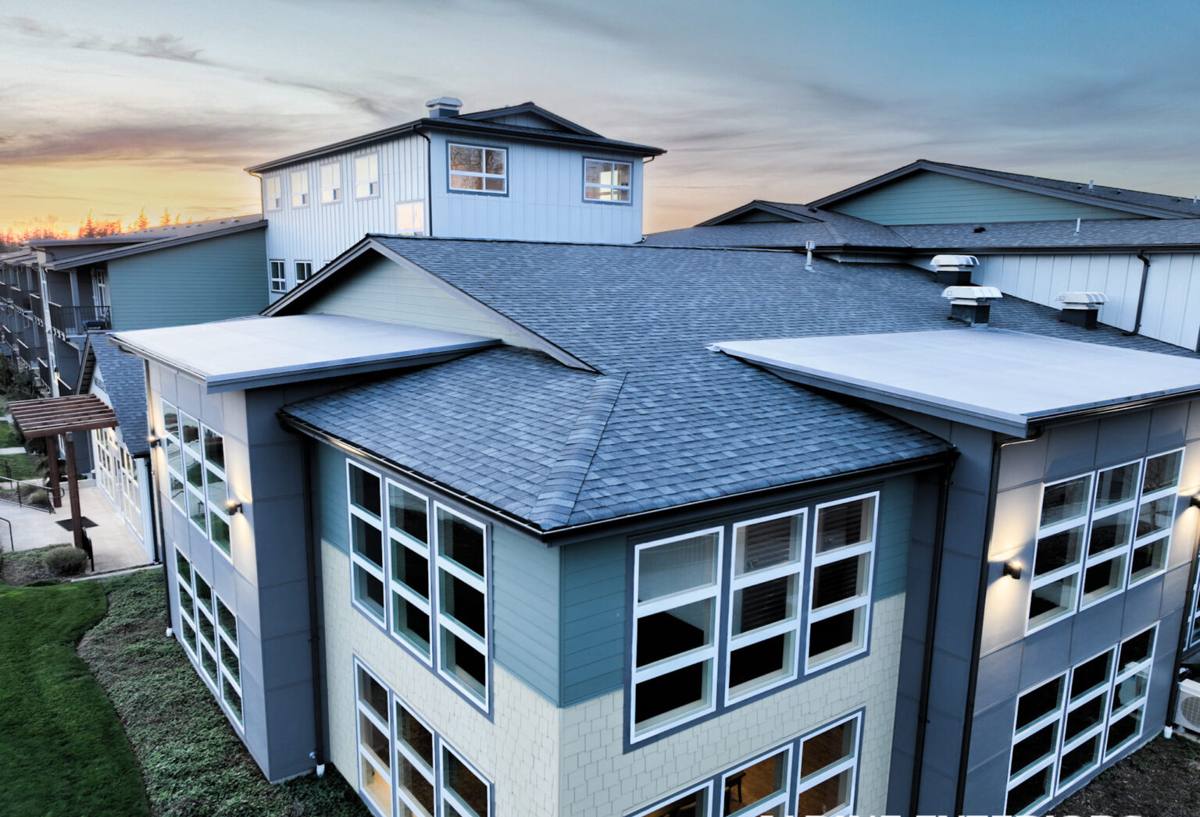
Signs a Roof Needs Replacing, Not Patching
Not every roofing problem calls for a full tear-off. But there's a point where repeated patching stops making financial sense and a new roof is the honest recommendation. We look at the whole roof system — not just the visible shingles — before we tell a homeowner which side of that line they're on.
- Granules collecting in gutters or at downspout splash points, especially on a roof more than 15-18 years old
- Shingles that are cracked, curling at the edges, or missing outright after wind events
- Moss or algae growth that comes back within a season or two of cleaning, even on north-facing or shaded slopes
- Soft spots, sagging, or visible daylight in the attic sheathing
- Water stains on interior ceilings or in the attic that show up in more than one location
- Flashing around chimneys, skylights, or valleys that's rusted, lifted, or was sealed with visible caulk patches
- Two or more roofing layers already on the house, which limits repair options and affects code compliance on a re-roof
If a handful of these apply, a proper inspection is worth doing before spending more money chasing leaks one at a time.
What a Correct Installation Actually Involves
"New roof" covers a lot of ground, and the difference between a roof that lasts and one that fails early almost always comes down to details that aren't visible once the job is finished.
Tear-off and deck inspection
We remove the existing roofing down to the sheathing rather than layering over it. That's the only way to actually see the deck — soft, delaminated, or rotted plywood has to be found and replaced before anything new goes down, or it undermines the whole installation regardless of how good the shingles are.
Underlayment and ice-and-water protection
Synthetic underlayment covers the full deck as the roof's secondary water barrier. In the areas most exposed to wind-driven rain — eaves, valleys, and around penetrations — we install self-adhered ice-and-water membrane. In a climate where rain regularly comes in sideways off the valley, that membrane at the vulnerable points matters more here than it would in a drier region.
Flashing
Chimneys, skylights, sidewalls, and valleys all need metal flashing that's properly stepped, lapped, and integrated with the underlayment — not just caulked at the seams. Flashing failures are one of the most common causes of roof leaks that have nothing to do with the shingles themselves.
Ventilation
Balanced intake and exhaust ventilation keeps the attic dry and keeps roof deck temperatures consistent, which slows moss and algae growth from the underside and extends shingle life. A roof can be installed perfectly and still underperform if the attic beneath it isn't ventilated correctly.
Finish work
Ridge caps, hip caps, drip edge, and gutter apron all have to be installed to the manufacturer's specification for the warranty to actually be valid — this is a detail some lower-bid jobs skip.
Choosing a Roofing Material for This Climate
There's no single "best" roofing material — the right choice depends on budget, roof pitch, how much shade the lot gets, and how much long-term maintenance a homeowner wants to take on. Here's how the common options compare for a Skagit County home:
| Material | Typical lifespan | Moss/moisture behavior | Maintenance |
|---|---|---|---|
| Architectural asphalt shingles | 25-30 years | Good with proper ventilation; algae-resistant granule options available | Low — periodic cleaning |
| 3-tab asphalt shingles | 15-20 years | More prone to moss buildup in shaded areas; thinner profile sheds less water | Low, but shorter service life |
| Standing seam metal | 40-50+ years | Sheds water and moss spores well; smooth surface resists buildup | Very low |
| Cedar shake/shingle | 20-30 years with upkeep | Traditional look, but absorbs moisture and needs regular treatment to resist moss and rot in a wet climate | High — regular cleaning and sealing |
Most Sedro-Woolley homeowners land on architectural asphalt shingles as the balance of cost, appearance, and performance in a moss-prone, tree-covered setting. Metal roofing costs more up front but makes sense for homeowners planning to stay long-term or dealing with heavy shade. We'll walk through the honest trade-offs for a specific roof rather than steering everyone toward the same product.
Our Installation Process
- On-site inspection and estimate — we walk the roof (or use a drone where pitch or access makes that safer), check the deck condition from the attic side, and put together a written estimate with no pressure to sign that day.
- Material selection — we go over color, profile, and material options against the budget and the roof's exposure to shade and weather.
- Scheduling around the weather — roofing needs a dry deck. We schedule installations around forecasted dry windows rather than starting a tear-off with rain moving in, which protects the house and the new materials.
- Tear-off and disposal — old roofing is removed and hauled away; the site is protected throughout so landscaping and siding aren't damaged.
- Deck repair — any soft or damaged sheathing found during tear-off is replaced before underlayment goes down.
- Underlayment, ice-and-water shield, and flashing — installed per manufacturer specification at eaves, valleys, and all penetrations.
- Roofing installation — shingles, panels, or shakes installed with correct nailing patterns and exposure for wind and rain performance.
- Ventilation and finish details — ridge vents, ridge caps, drip edge, and gutter apron completed to spec.
- Cleanup and final walkthrough — magnetic sweep for nails, debris hauled off, and a walkthrough so the homeowner can see the finished work and ask questions before we consider the job done.
Ventilation and Moss: The Part Homeowners Don't See
Moss doesn't grow because a roof is old — it grows because a roof surface stays cool and damp long enough for spores to establish. In a valley community with heavy tree cover and long stretches of overcast weather, that's a near-constant condition on north-facing and shaded slopes. Two things reduce it: sufficient roof pitch and drainage so water doesn't sit, and attic ventilation so the roof deck isn't holding extra moisture from underneath. A new installation is the right time to correct ventilation problems that have been feeding moss growth for years, since the attic and vents are already exposed during the tear-off.
Permits and Local Requirements
Reroofing work in and around Sedro-Woolley typically requires a building permit through the local jurisdiction, and the exact requirements can depend on whether the property falls inside city limits or unincorporated Skagit County. We handle the permit process as part of the job so homeowners aren't left tracking down paperwork or inspection scheduling themselves. A licensed, insured local contractor pulling the correct permit also protects the homeowner if there's ever a warranty question or a future sale where roofing permits get checked.
What Affects the Cost
Every roof is priced individually after inspection, but the main factors that move the number are consistent from job to job:
| Factor | Why it matters |
|---|---|
| Roof size and pitch | More surface area and steeper pitches take more material and more labor time/safety setup |
| Number of existing layers | Multiple tear-off layers add disposal cost and labor time |
| Deck condition | Rotted or delaminated sheathing found during tear-off adds material and labor to repair before installation |
| Material choice | Asphalt, metal, and cedar carry different material and installation costs |
| Roof complexity | Valleys, dormers, chimneys, and skylights all add flashing work and time |
| Access | Steep lots, limited driveway access, or tall trees near the roof can affect equipment and staging |
We'd rather explain these factors upfront than hand over a number with no context behind it. A written estimate breaks down what's driving the cost for that specific roof.
Why a Crew That Already Works in Sedro-Woolley Matters
Roofing crews that work regularly in this part of Skagit County know how the local weather patterns actually behave — not just the seasonal averages, but which weeks tend to give a reliable dry stretch and which don't. That affects scheduling decisions that a crew unfamiliar with the area might get wrong, leaving a deck exposed longer than it should be. Local experience also means familiarity with the permit process for the jurisdiction, established relationships with material suppliers so lead times don't stall a job mid-project, and a track record in the community that a homeowner can actually check with neighbors rather than relying only on online reviews.
If your roof is showing its age or you just want an honest opinion on where it stands, we'll come take a look and put together a straightforward, no-pressure estimate — use the form below to get started.