 Skagit County
 Mount Vernon Roofs Wear Differently Than Roofs Inland
A roof in Mount Vernon does more work than a roof forty miles inland. It sits under the same low, wet Pacific weather systems that soak the Skagit Valley for months at a stretch, it picks up salt-laden air moving in off Puget Sound and the delta, and it spends a good part of the year shaded and damp enough for moss to take hold. None of that means a Mount Vernon roof has to fail early. It means the installation has to account for those conditions from the first layer to the last, not just meet a generic code minimum.
This page is about one job: putting on a new roof for a Mount Vernon home. Not a roof for a dry climate that happens to also get used here, but one that's detailed, ventilated, and flashed for what this part of Skagit County actually throws at a house.
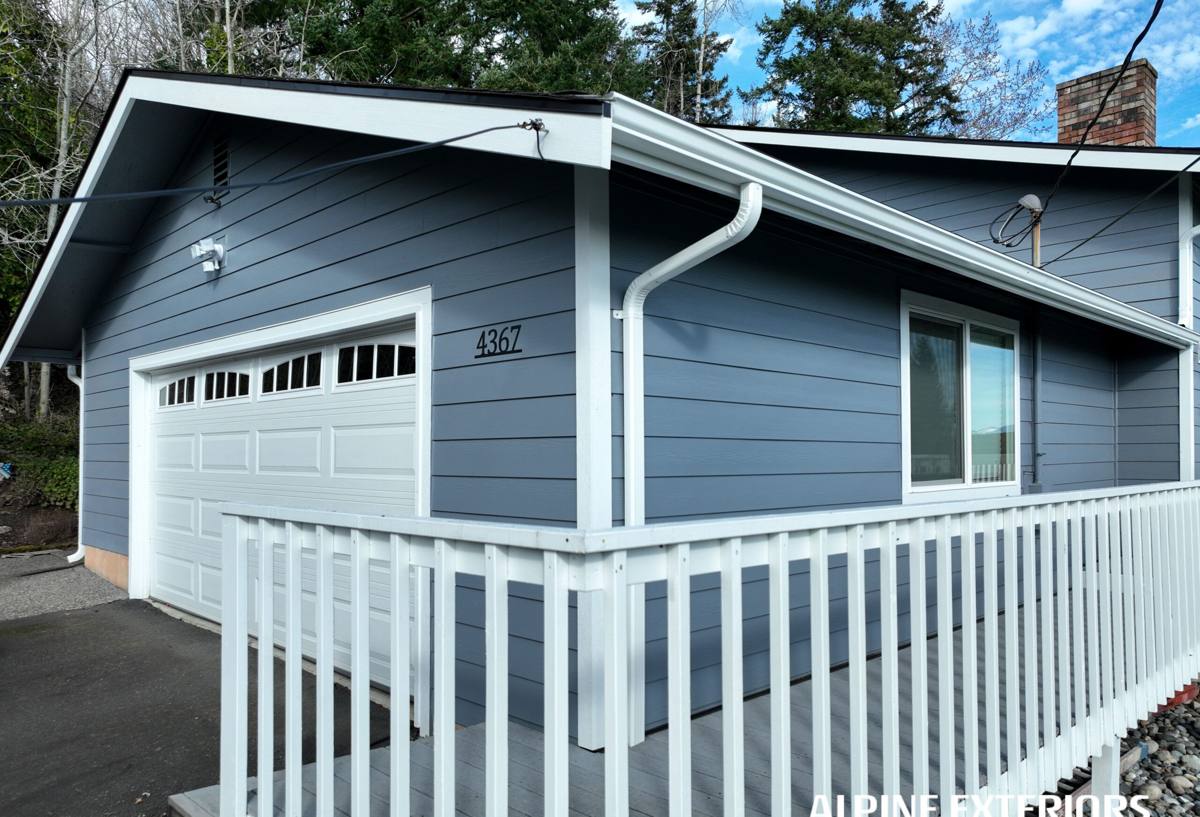
What Skagit County Weather Actually Does to a Roof
A Long Moss Season
Mount Vernon gets enough overcast, damp days each year that north-facing slopes, tree-shaded valleys, and anything under overhanging branches stay wet longer than they dry. That's exactly what moss and algae need. Left alone, moss holds moisture against the roofing material, works into shingle laps, and can lift edges enough for wind and rain to get underneath. A new roof installed without accounting for this will grow moss just as fast as the old one did.
Wind-Driven Rain
Rain here doesn't always fall straight down. Storms moving through the valley push rain sideways against walls, up under eaves, and into any gap in flashing or underlayment that a drier climate could get away with ignoring. Roofs in this area fail at the details — valleys, chimney flashing, skylight curbs, low-slope transitions — far more often than they fail in the open field of shingle.
Salt Air and Metal Fatigue
Proximity to Puget Sound and the tidal reaches of the Skagit River means airborne salt is part of the environment, even a few miles from open water. Salt accelerates corrosion on exposed metal fasteners, flashing, and vents. It's a slower process than the moss and rain issues, but it's why fastener and flashing choice matters as much as the shingle brand on top of them.
What a Correct New Roof Installation Actually Involves
"New roof" gets used loosely. A correct installation is a stack of decisions, most of which never show up in a sales brochure. Here's what should happen on a proper tear-off and reinstall:
- Full tear-off to bare decking — never a layover, which traps moisture and hides deck damage.
- Deck inspection and repair — soft, delaminated, or water-stained sheathing gets replaced, not covered up.
- Ice and water shield at eaves, valleys, and penetrations — the areas most exposed to wind-driven rain and ice damming during cold snaps.
- Synthetic underlayment across the field, which holds up to job-site weather delays far better than old felt paper.
- New flashing at every chimney, skylight, sidewall, and valley — reused flashing is a common shortcut and a common leak source.
- Balanced ventilation — intake at the eaves, exhaust at the ridge, sized to the attic, not guessed at.
- Correct fastening — nail placement and count matched to the manufacturer's wind rating, not just "enough to hold it down."
Skip any one of these and the roof might look fine for a season or two. In this climate, the gaps show up as leaks, moss colonies, or premature granule loss well before the material's rated life is up.
Choosing a Roofing System for a Mount Vernon Home
Most homes in the area land on one of three systems. Each has a real trade-off, not a marketing angle.
| Roofing System | How It Handles This Climate | Maintenance Burden | Relative Lifespan |
|---|---|---|---|
| Architectural asphalt shingle | Good performance when properly ventilated; algae-resistant granule options reduce (not eliminate) moss growth | Periodic moss/debris removal, especially on shaded slopes | 25–30+ years with maintenance |
| Standing seam metal | Sheds rain and moss very well due to smooth, steep-shed surface; needs corrosion-resistant fasteners near salt air | Low; occasional fastener and sealant check | 40–50+ years |
| Synthetic/composite shingle | Mimics shake or slate look, resists moisture absorption better than wood shake | Low to moderate | Comparable to or longer than architectural asphalt |
We won't install cedar shake or plain wood shingle roofing as new construction here as a matter of our own standard, not because every wood roof fails. Wood shake's moisture behavior is a poor match for a climate this wet and shaded for this much of the year — it needs more frequent, more careful maintenance than most homeowners are set up to keep on top of, and the failure mode (rot, moss intrusion into the shake itself) is harder to catch early than it is on shingle or metal. If you specifically want that look, we'll talk through the composite alternative honestly rather than just steering you away.
Cost Factors Worth Understanding Up Front
We don't publish blanket prices because they'd be misleading — the real cost drivers are specific to your roof:
| Factor | Why It Moves the Price |
|---|---|
| Roof pitch and access | Steeper roofs and limited ground access slow the crew down and add safety setup time |
| Number of layers to remove | Tear-off labor and disposal cost scale with what's already up there |
| Deck condition | Rotted or delaminated sheathing found during tear-off adds material and labor |
| Roof complexity | Valleys, dormers, skylights, and chimneys each add flashing work |
| Material choice | Asphalt, metal, and composite systems sit at different price points and install times |
Our Installation Process, Start to Finish
- On-site assessment. We walk the roof (or use a ladder/lift as conditions require), check the attic for existing ventilation and moisture signs, and note pitch, layers, and problem areas.
- Written scope and material selection. You get a clear breakdown of what's being torn off, what's being replaced, and why — no verbal-only promises.
- Scheduling around weather windows. Skagit County weather doesn't cooperate on demand. We plan tear-off days around forecasts that give us a dry window to get the deck covered before rain moves back in.
- Tear-off and deck inspection. Old material comes off, the deck gets inspected board by board, and any needed repairs are made before anything new goes down.
- Underlayment, flashing, and ventilation install. This is where most of the long-term performance is decided, and it happens before the roofing material itself.
- Roofing material installation per manufacturer specification, including nailing pattern and exposure.
- Site cleanup and final walkthrough. Magnetic sweep for stray fasteners, debris hauled off, and a walkthrough so you know what was done and what to watch for.
Ventilation and Moisture Control Matter More Here Than Most Places
An underventilated attic in a marine climate is a slow-motion problem. Warm, moist household air rises into the attic; without enough intake and exhaust airflow, that moisture condenses on the underside of the deck. Over a few winters that's enough to rot sheathing from the inside — the opposite direction most homeowners are watching for. Balanced ventilation (intake low, exhaust high) also keeps the roof deck temperature more even, which reduces the freeze-thaw cycling that can crack shingles during Skagit Valley cold snaps. On a new install, this is one of the cheapest things to get right and one of the most expensive things to fix later.
Why a Crew That Already Works Mount Vernon Matters
Roofing crews that work here regularly already know which neighborhoods sit shadier and need more moss-resistant detailing, which pitches and roof styles are common on local housing stock, and how local permitting and inspection actually runs — not just what the code book says on paper. That local familiarity shows up in small decisions: how much ice and water shield to run at a valley that catches more runoff than average, or timing a tear-off around a wet forecast instead of getting caught with an open deck. It's also easier to check a contractor's real local track record — ask for addresses of completed jobs in Mount Vernon or nearby, confirm their Washington contractor license and bond are active, and get the warranty terms in writing before work starts.
After Installation: What Keeps a Skagit County Roof Healthy
A correctly installed roof still needs basic upkeep in this climate. What we recommend to every homeowner:
- Clear gutters and downspouts at least twice a year — clogged gutters back water up under the eaves
- Have moss growth treated or removed before it spreads, rather than waiting until it's visible from the street
- Trim back overhanging branches that keep sections of the roof shaded and damp
- Check attic ventilation isn't blocked by insulation or storage after any attic work
- Have flashing and sealant points inspected every few years, especially around chimneys and skylights
- Address small leaks immediately — in this climate, a slow drip becomes a rot problem faster than in drier regions
If you're weighing a new roof for a Mount Vernon home, we're glad to walk the roof with you, explain what we find in plain terms, and put together a written estimate — no pressure, no obligation. There's a form below to get that scheduled.