 Skagit County
 Why Edison Homes Take a Different Kind of Beating
Edison sits close enough to the water that salt air is simply part of daily life here, not an occasional nuisance. Add in the driving rain that comes off Puget Sound through the fall and winter, plus the low, flat farmland around town that keeps humidity high even on dry days, and you've got a climate that is genuinely hard on exterior building materials. Siding on an Edison home isn't just holding back weather a few times a year — it's under constant, low-grade attack from moisture and salt for most of the calendar.
That combination is why we don't treat a "siding job" as one-size-fits-all. A product that performs fine in a drier inland climate can fail early here, and the failure is usually slow and hidden — moisture working behind the cladding, or biological growth eating away at a painted surface — until a homeowner is looking at rot repair instead of a simple recoat.
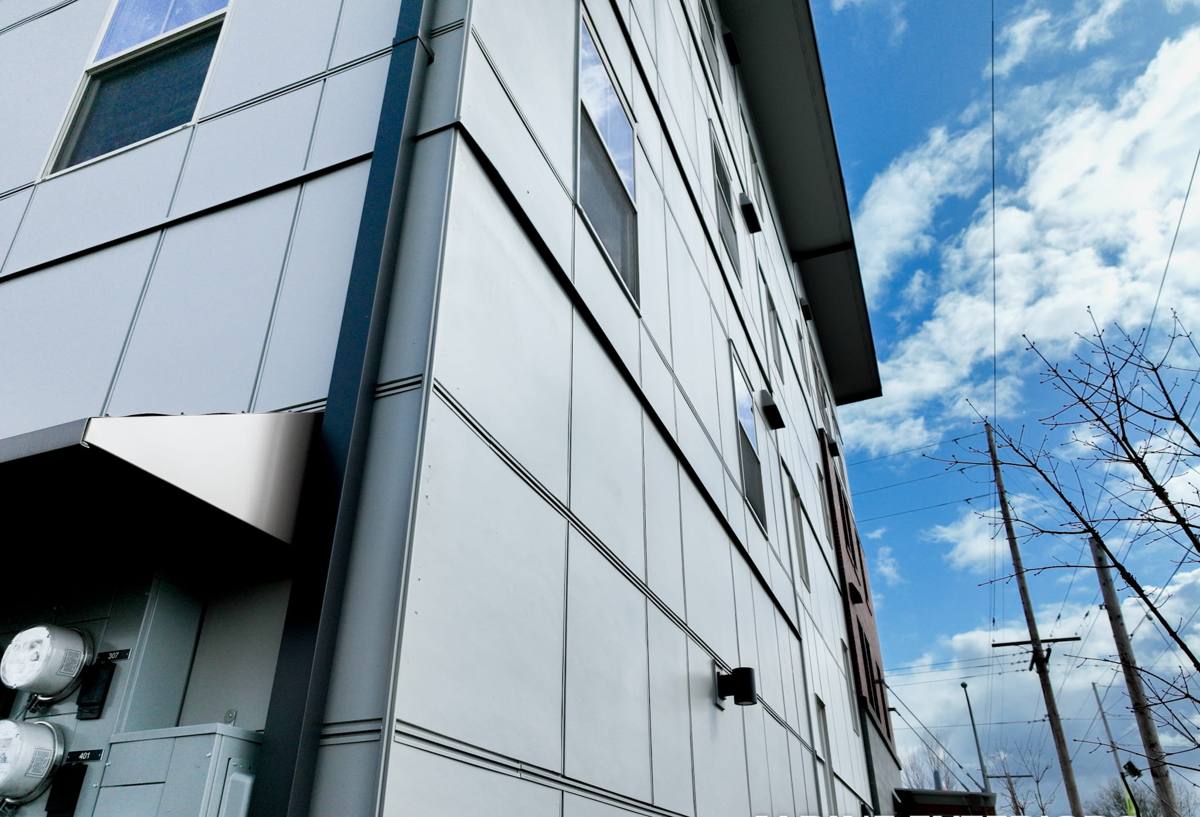
What Local Homes Actually Need From Their Siding
Moisture Resistance That Doesn't Depend on a Perfect Paint Job
Wood-based products rely on their surface coating to keep water out. Once that coating is compromised — a scratch, a worn edge, a joint that opens up — the substrate underneath is exposed, and wood-based substrates absorb and hold moisture. In a climate with as much sustained dampness as Skagit County's, that's a slow but steady path to swelling, delamination, and rot.
Resistance to Salt-Driven Wear
Homes near the water deal with airborne salt settling on every exterior surface. Salt accelerates corrosion of fasteners and hardware, and it degrades some coatings faster than inland exposure would. Siding material and finish both matter here — not just the product itself, but how it's fastened and finished.
Standing Up to a Long Moss Season
Western Washington's moss and algae season isn't a two-month event — for a lot of homes it's close to year-round, especially on north- and west-facing walls that stay shaded and damp. Porous or fibrous surfaces give moss and mildew something to grip and grow into. A dense, factory-finished surface gives it far less to hold onto, which means less scrubbing, less staining, and less risk of the growth trapping moisture against the wall.
Why We Install Only James Hardie Fiber Cement
We made a deliberate decision to standardize on James Hardie fiber cement and stop installing everything else — no vinyl, no LP SmartSide, no Cemplank or Allura, no primed spruce or cedar. That's not a marketing position, it's a practical one built around what actually holds up on homes in this specific climate.
Non-Combustible, Dense, and Dimensionally Stable
Fiber cement doesn't expand and contract with moisture the way wood-based products do, and it's non-combustible. It holds its shape and its paint line over decades rather than seasons, which matters a lot in a climate that never really gives siding a long dry break to recover.
ColorPlus Factory Finish
Hardie's ColorPlus finish is baked on at the factory under controlled conditions, which produces a more consistent, more durable bond than field-applied paint. In a wet climate, field-painted finishes are more exposed to failure during the curing window and more prone to uneven wear later. A factory finish also means fewer painting cycles over the life of the siding — a real maintenance win for homeowners.
Climate-Engineered Product Lines
Hardie doesn't make one version of its siding for the whole country — it engineers different formulations for different climate zones, including the wetter, moderate-freeze conditions typical of the Pacific Northwest. That's a meaningful distinction from a generic fiber cement product, and it's part of why we don't treat "fiber cement" as an interchangeable commodity.
Being Honest About the Trade-Offs of Other Products
Vinyl is inexpensive and low-maintenance in mild conditions, but it can warp with heat and become brittle in cold, and its seams and profile depend heavily on installer skill to shed water correctly. LP SmartSide is an engineered wood product — a legitimate improvement over old-style hardboard — but it's still wood-based at its core, meaning its long-term performance depends on the coating and joint detailing staying intact. Cedar and primed spruce look great new, but both require an ongoing paint and caulk maintenance cycle to keep water out, and that cycle only gets more demanding in a climate this wet. None of these are "bad" products in the abstract. They're just not what we're willing to put our name on in a climate that punishes any weak point in the water management chain.
Comparing Siding Options for Edison's Climate
| Factor | Vinyl | Cedar / Primed Spruce | LP SmartSide | James Hardie Fiber Cement |
|---|---|---|---|---|
| Moisture resistance | Good if installed correctly, seams are a risk point | Depends entirely on paint/caulk upkeep | Coating-dependent, wood-based core | Dense cement-based composition, low moisture absorption |
| Salt air performance | Generally stable, hardware can corrode | Coating wears faster near salt exposure | Coating wears faster near salt exposure | Factory finish holds up well to coastal exposure |
| Moss/algae resistance | Smooth surface, but seams trap grime | Porous surface, moss-prone | Textured surface can hold moisture | Dense surface, less for growth to grip |
| Ongoing maintenance | Low, but limited repair options if damaged | Repaint/recaulk cycle every few years | Coating maintenance over time | Occasional wash, no repaint cycle for the life of ColorPlus finish |
| Fire resistance | Combustible | Combustible | Combustible (engineered wood) | Non-combustible |
What a Correct Fiber Cement Installation Involves
Water Management Behind the Siding
The siding you see is the last line of defense, not the only one. A correct install includes proper weather-resistive barrier, correctly lapped and sealed flashing at every window, door, and roofline intersection, and attention to how water is directed away from the wall assembly rather than just "covered up." In a climate that sees as much driving rain as this one, skipping or rushing this step is the single most common cause of hidden rot years down the road.
Fastening and Clearances
Fiber cement has to be fastened per manufacturer spec — correct fastener type, spacing, and depth — and it needs proper clearance from grade, roofing, and decks so water isn't wicking up into the bottom edge of the siding. These details don't show up in a finished photo, but they're what determines whether the job is still performing correctly in fifteen years.
Joints, Caulk, and Butt Seams
Every horizontal and vertical joint is a potential water entry point. Correct butt joint treatment, proper caulking at trim transitions, and consistent gapping for material movement all matter — and they're exactly the details that get shortcut on a rushed job.
Pre-Installation Checklist We Walk Through On Every Job
- Inspect existing sheathing and framing for hidden moisture damage before new siding goes on
- Confirm weather-resistive barrier condition and correct any gaps or tears
- Verify flashing details at every window, door, and roof-to-wall intersection
- Set proper fastener schedule and clearances per James Hardie installation specs
- Plan joint and seam layout to minimize water entry points
- Confirm color and product line selections against the home's exposure (sun, shade, wind-driven rain)
Our Process, Start to Finish
We start with an on-site walkthrough and honest assessment of what your current siding and sheathing are actually doing — not just what they look like from the curb. From there we put together a written scope covering product lines, colors, and the specific water management details for your home's exposure. Once work starts, we handle removal, any needed sheathing repair, weather barrier and flashing work, and the Hardie installation itself, followed by a final walkthrough so you know exactly what was done and why. We don't upsell products we don't install, and we don't cut corners on the parts of the job that don't show up in a photo.
Why Hiring a Crew That Already Works in Edison Matters
Skagit County's mix of coastal exposure, farmland humidity, and marine weather patterns isn't the same everywhere in the county, let alone everywhere in Western Washington. A crew that regularly works homes in and around Edison already knows how exposure varies by orientation and how aggressively moss and moisture show up on north walls versus south walls in this specific area. That local pattern recognition shapes real decisions — where extra flashing attention matters most, which details tend to get skipped on older homes, and what a correctly performing install actually looks like five and ten years out in this climate, not just on installation day.
Ongoing Care Once Your New Siding Is Up
One of the real advantages of a correctly installed Hardie system with a factory ColorPlus finish is how little ongoing maintenance it asks for compared to wood-based or field-painted siding. That doesn't mean zero maintenance — it means the maintenance burden shifts from constant upkeep to occasional, simple care.
- Rinse the exterior periodically to keep salt residue and organic buildup from accumulating
- Check caulking at trim and joints every year or two and touch up as needed
- Keep gutters clear so water isn't overflowing directly onto siding surfaces
- Trim back vegetation that keeps a wall section shaded and damp
If you're weighing your options for an Edison home and want a straight answer about what your siding actually needs in this climate, we're glad to walk the exterior with you and put together a free, no-pressure estimate — no upsell, just an honest look at what's going on and what it would take to fix it right.