 Skagit County
 Windows Built for Edison's Weather, Not Just the Catalog Photo
Edison sits out on the flats near Samish and Padilla Bay, which means the weather here isn't quite like Mount Vernon or Sedro-Woolley a few miles inland. Homes out this way take a steady beating from salt-laden air off the water, wind-driven rain that comes at windows sideways instead of straight down, and a wet season that can stretch from October well into May. Add in the moss and algae that thrive in that damp, shaded climate, and you've got conditions that expose weak windows fast — usually as drafts, fogged glass, or soft trim long before the frame itself gives out.
An energy-efficient window replacement done right isn't just about a lower heating bill, though that's real. It's about a window system — glass, frame, and the flashing and sealant work around it — that's matched to what Skagit County actually throws at a house. That's the standard we build to on every Edison job.
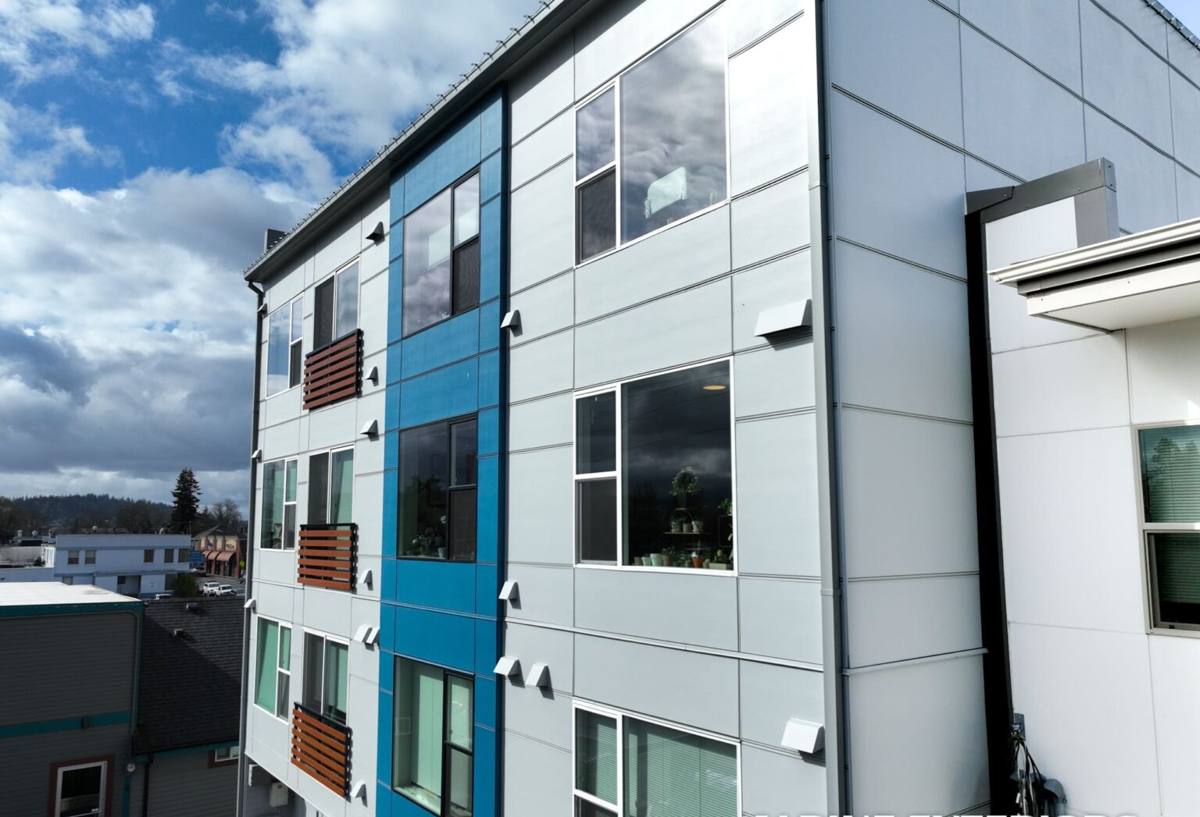
What Edison Homes Are Actually Fighting
Salt Air
Proximity to the bay means airborne salt settles on everything, including window hardware and exposed fasteners. Over years, that accelerates corrosion on lower-grade hardware and can degrade certain finishes. It's a reason we're careful about hardware specification on jobs out here, not just the glass package.
Driving Rain
Wind off the flats pushes rain into gaps that would stay dry in a more sheltered location. A window that's merely "watertight" on a still day can leak under wind-driven rain if the flashing and sill pan weren't installed correctly. This is one of the most common failure points we find on older installs in this area — not the window unit itself, but what's (or isn't) behind it.
The Long Moss Season
Extended damp periods keep wood trim, sills, and casings wet for long stretches, which is exactly what moss, algae, and eventually rot need to take hold. Energy-efficient windows with poor moisture management around them can actually trap dampness against wood components rather than shedding it, making the problem worse over time.
What "Energy-Efficient" Actually Means Here
The term gets used loosely in the window industry, so it's worth being specific about what it means for a Skagit County home:
- U-factor — how well the window resists heat loss. Lower is better for our heating-dominated climate.
- Solar Heat Gain Coefficient (SHGC) — how much solar heat passes through the glass. Matters more on south- and west-facing walls.
- Air leakage rating — directly tied to draft resistance, which matters a lot when wind is coming steadily off open flats.
- Glazing package — double-pane with low-E coating and argon fill is the practical baseline for this climate; triple-pane can make sense on exposed elevations but adds cost and weight.
- NFRC label — the independent rating sticker that lets you compare products on the same terms rather than relying on a manufacturer's marketing claims.
None of these numbers matter if the installation lets air and water bypass the window entirely, which is why we treat the glass package and the installation as one job, not two.
Signs Your Current Windows Are Costing You Money
Most Edison homeowners don't call us because they woke up wanting new windows — they call because something specific is bothering them. Common signs worth acting on:
- Noticeable draft near the window frame, especially during windy weather off the bay
- Condensation or fog trapped between panes (a sign the seal has failed on an older double-pane unit)
- Interior condensation on cold mornings, even with panes intact
- Soft, discolored, or moss-covered trim and sills around the window
- Windows that are difficult to open, close, or lock — frame movement or swelling
- A heating bill that's crept up without an obvious cause
Any one of these can be a simple fix. Several together, especially on an older single-pane or early double-pane home, usually means it's time to talk replacement rather than repair.
What a Correct Installation Actually Involves
Because we're a siding contractor first, we look at window replacement as part of the building envelope, not an isolated swap. A window is only as good as what's tying it into the wall around it. On every install, that means:
- Removing the old unit and inspecting the rough opening for hidden rot or moisture damage before anything new goes in
- Installing a proper sill pan to direct any water that gets past the window back outside, not into the wall cavity
- Correct flashing sequence — sill, jambs, then head — lapped so water always sheds downward and outward
- Sealing and insulating the gap between the window frame and rough opening without over-compressing the frame
- Tying the new flashing into the existing siding and weather-resistive barrier so there's no gap for wind-driven rain to exploit
- Final adjustment, operation check, and a walkthrough so you know how the new hardware works
Skip any one of those steps and you can end up with a window that has a great energy rating on paper but still leaks or drafts in real Skagit County weather.
Frame Material Comparison
Frame choice affects both energy performance and how the window holds up to salt air and constant moisture. Here's how the common options stack up for a home in the Edison area:
| Frame Material | Energy Performance | Coastal/Moisture Durability | Maintenance |
|---|---|---|---|
| Vinyl | Good, especially multi-chamber designs | Won't rot or corrode; handles salt air well | Low — occasional cleaning |
| Fiberglass | Very good; stable across temperature swings | Excellent — resists warping and corrosion | Low |
| Wood-clad | Good, depends on core construction | Cladding protects the exterior, but any breach exposes wood to rot risk in a wet climate | Higher — cladding seams and any exposed wood need monitoring |
| Aluminum | Weaker unless thermally broken | Prone to corrosion pitting in salt air over time | Moderate |
We don't install aluminum-frame replacement windows on homes this close to the water as a matter of professional standard — the corrosion risk from salt air and the thermal performance trade-offs don't hold up over the life of the window, even though the upfront cost is attractive. Vinyl and fiberglass are our default recommendations for most Edison homes; wood-clad can still be the right call for a specific architectural look, as long as the homeowner understands the added maintenance.
Our Process for Edison Window Jobs
Every job starts with an on-site look at your specific exposure — how much direct weather your walls take, what condition the existing trim and sheathing are in, and what's driving the replacement (comfort, efficiency, appearance, or damage). From there:
- Assessment and measurement — we check rough openings for square and for any hidden moisture damage before quoting
- Product selection — matched to the wall's exposure, not a one-size-fits-all package for the whole house
- Installation — following the flashing and sealing sequence above, with attention to tying into your existing siding cleanly
- Cleanup and walkthrough — hardware operation, care tips, and warranty paperwork before we leave
Because siding and window work overlap so much on the exterior envelope, we're also positioned to flag and address related issues — soft trim, failing caulk lines, siding that's trapping moisture — while we're already on the wall, rather than treating the window as a job that stops at the frame.
Why a Crew That Already Works Skagit County Matters
Window installation looks similar on paper everywhere in the Pacific Northwest, but the details that matter — how aggressive the flashing needs to be, which hardware finishes hold up, how much moisture buffer to build into the sill detail — are learned by working this specific stretch of coastline and flats repeatedly, not from a general training manual. A crew that's done this work around Edison and the rest of Skagit County knows what driving rain off the bay does to a poorly flashed window, and builds around it from the start instead of learning the hard way on your house.
Before You Hire — A Practical Checklist
- Ask what sill pan and flashing method they use — "we'll seal it with caulk" alone is not a moisture management plan
- Confirm the NFRC ratings (U-factor, SHGC) on the specific product being quoted, not just a general "energy efficient" label
- Ask how they handle discovery of hidden rot or damage once the old window is removed
- Get the frame material and hardware finish in writing, and ask why it's recommended for a home this close to the water
- Confirm what's covered under warranty — product versus installation labor are often separate
If you're weighing a window replacement in Edison, we're glad to come take a look, walk the exposure on your specific walls, and put together a straightforward, no-pressure estimate — just fill out the form below to get started.