 Skagit County
 Windows Built for March Point's Waterfront Exposure
March Point sits close enough to the water that homes here take a different kind of weather beating than houses further inland in Skagit County. Salt-laden air off the bay corrodes hardware and finishes faster than it does even a few miles east. Driving rain off Fidalgo Bay hits windows sideways during winter storms, testing seals and flashing details that would never be stressed on a calmer inland lot. And the long, damp moss season here keeps trim, sills, and frame corners wet for weeks at a stretch. Any window we install in March Point has to be specified and installed with all three of those realities in mind — not treated like a generic replacement job.
We've worked on homes throughout this stretch of Skagit County, and the pattern is consistent: window failures in this neighborhood are almost never about the glass. They're about corroded hardware, failed seals at the frame-to-siding joint, and rot that started at a sill nobody flashed correctly the first time. That's where we focus.
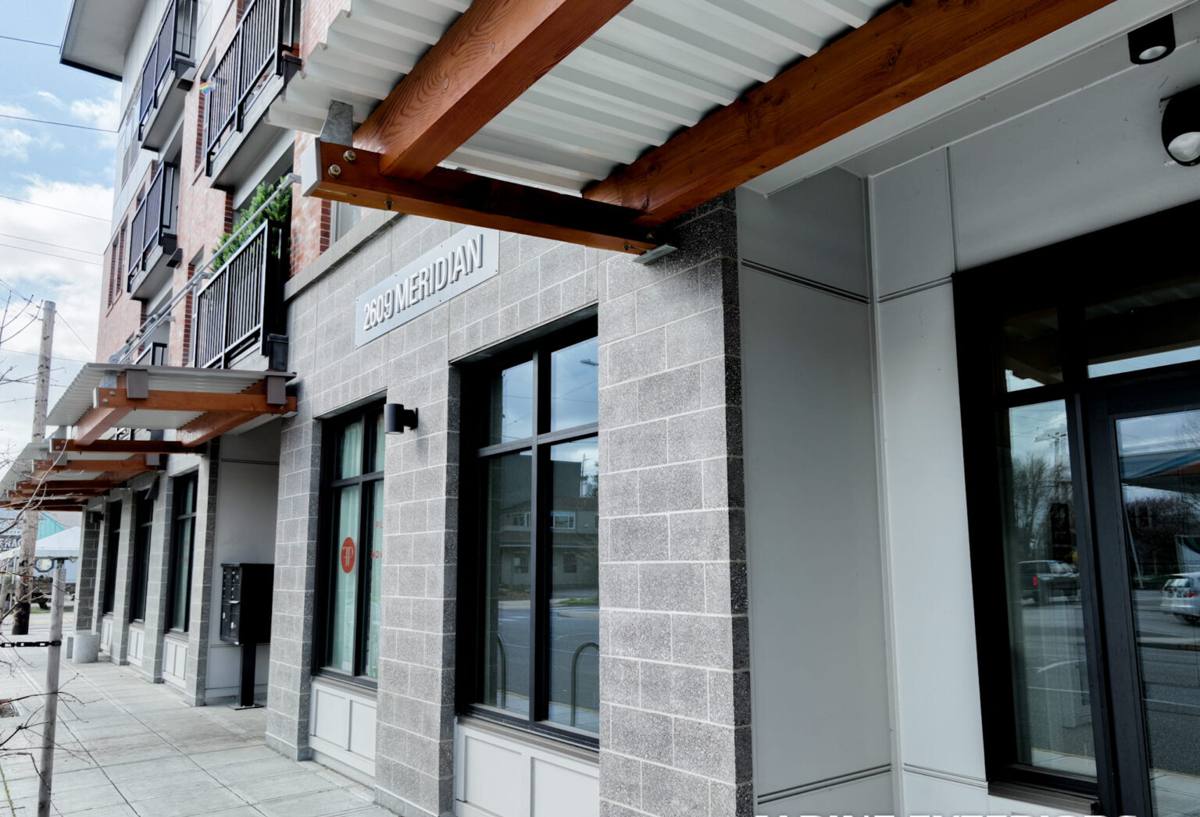
What Salt Air Actually Does to a Window
Salt air is a slow, steady problem. It doesn't cause a dramatic failure in year one — it works on metal hardware, weatherstripping, and exposed fasteners over several seasons until locks stick, cranks seize, or screens corrode through. Homes closer to the water see this show up faster than homes even a short distance inland.
Where we pay extra attention
- Hardware finish and base metal — some finishes hold up to salt exposure far longer than others, and we specify accordingly for waterfront-adjacent homes
- Fastener material at the frame and trim — the wrong screws corrode and stain the surrounding siding or trim within a couple of years
- Weatherstripping compression — salt air and grit can degrade seals faster, so we check that gaskets are rated for coastal exposure, not just standard suburban use
- Screen frames and mesh — cheaper aluminum screens pit and discolor quickly this close to the water
Driving rain and the flashing question
Wind-driven rain doesn't just hit a window — it pushes water sideways and upward into gaps that would stay dry in a calm rain. The single biggest factor in whether a window leaks during a real Skagit County storm isn't the window brand, it's whether the flashing and sealant details around the rough opening were done correctly. A premium window installed with sloppy flashing will leak. A mid-range window installed correctly, with proper sill pan flashing, head flashing lapped over the housewrap, and back-dammed sills, will not.
What Moss Season Means for Window Longevity
Skagit County's long wet season keeps north-facing and shaded elevations damp for weeks at a time, and March Point's tree cover and proximity to water only extends that window of dampness. Moss and algae don't damage glass or vinyl directly, but they hold moisture against wood trim, sills, and any exposed fastener heads — and sustained moisture is what eventually causes rot, paint failure, and corrosion.
- Trim and sill material — we favor products and details that don't depend on paint alone to stay dry
- Drainage at the sill — a sill pan that actually sheds water outward, not one that traps it against the framing
- Gaps for airflow — trim details that let moisture evaporate rather than sit trapped against the wall
- Realistic maintenance — an honest conversation about what needs a periodic wash-down versus what's maintenance-free
Signs a March Point Home Needs New Windows
Homeowners often wait until a window is obviously failing, but there are earlier signs worth acting on, especially given the local climate:
- Hardware that's stiff, corroded, or won't lock fully — common near the water well before glass or frames show visible damage
- Condensation between panes, which means the seal has failed and the insulating gas is gone
- Soft or discolored trim and sills, especially on north or west-facing walls that stay shaded and damp longer
- Drafts you can feel on a windy, rainy day even with the window latched
- Paint or finish that's failing faster on window trim than on the rest of the house — usually a sign moisture is getting trapped there
- Visible gaps or daylight around the frame where the old flashing or caulk has failed
What a Correct Installation Involves
Replacing a window in a home exposed to salt air and driving rain is not the same job as a calm inland replacement, even though the window itself may look identical. The steps that matter most:
Before removal
We inspect the existing rough opening once the old window is out — not before. This is where hidden rot or old flashing failures actually show up, and it's the only honest time to catch them before they're sealed behind a new window for another 20-plus years.
During installation
- Sill pan flashing installed to slope water outward, not just a bead of caulk under the frame
- Head flashing integrated with the housewrap so water sheds over the window, not behind it
- Corrosion-appropriate fasteners and hardware specified for the home's exposure
- Shimming and squaring the unit properly so hardware operates smoothly for years, not just on install day
- Interior and exterior sealant details that account for wind-driven rain, not just a standard bead
After installation
We walk the homeowner through operation, point out anything that needs periodic attention given the local climate, and make sure trim and caulk lines are clean before we consider the job finished.
Comparing Window Options for a Coastal-Exposure Home
| Factor | Standard Vinyl | Impact/Reinforced Vinyl | Fiberglass |
|---|---|---|---|
| Salt air / hardware corrosion resistance | Adequate with quality hardware | Good | Good to very good |
| Driving rain performance | Depends heavily on install quality | Good | Good |
| Upfront cost | Lower | Moderate | Higher |
| Long-term maintenance | Low | Low | Low to moderate |
| Typical warranty structure | Standard limited | Standard to extended | Often extended |
None of these are wrong choices. The right one depends on the specific elevation, exposure, and budget for the home. We'll walk through the honest trade-offs during an estimate rather than push whichever product carries the best margin.
Why We Don't Push the Cheapest Option Here
We install a range of window products, but for homes in exposed spots like March Point, we steer away from budget-grade hardware and thin-gauge screens — not because they're incapable of working, but because the maintenance burden and failure timeline don't match this environment. A window that would perform fine in a sheltered inland yard can develop stuck hardware or corroded screens within a few years this close to salt water and driving rain. Our standard is to spec hardware and materials rated for the actual exposure a home faces, and to say so plainly if a homeowner is comparing quotes that don't account for that difference.
Our Process for March Point Projects
- On-site assessment — we look at each window's exposure (waterfront-facing, shaded, north wall, etc.) since one house can have very different needs window to window
- Honest scope and estimate — what needs replacing now, what can wait, and what the real cost drivers are
- Material selection — matched to each elevation's actual exposure, not a one-size answer for the whole house
- Careful removal and opening inspection — catching any hidden rot or old flashing failures before they're covered up again
- Proper flashing and installation — sill pans, head flashing, and sealant details built for wind-driven rain
- Final walkthrough — hardware operation, maintenance notes, and a clean finish
Why Hire a Crew That Already Works in This Area
A contractor who mostly works inland can install a technically fine window that still underperforms in March Point's specific conditions, simply because they haven't had to think about salt air corrosion or wind-driven rain on a regular basis. We've done this work throughout Skagit County, including homes with direct water exposure, and the details we build in — flashing sequence, hardware selection, sealant choice — come from having seen what actually fails out here, not from a generic install checklist. That local knowledge is the difference between a window that looks right on install day and one that still operates smoothly and stays dry a decade later.
Cost Factors Worth Understanding
Every window quote should be broken down by what's actually driving the price, not just a lump sum. The main factors we walk clients through:
| Factor | Why It Matters |
|---|---|
| Number and size of openings | Straightforward driver of material and labor |
| Existing rot or flashing damage | Found once the old window is out; can add scope but shouldn't be skipped |
| Hardware and glass package | Coastal exposure calls for upgraded hardware finish, which affects price |
| Trim and exterior finish work | Matching existing trim or upgrading materials changes labor and material cost |
| Access and site conditions | Second-story or tight-access windows take longer to do correctly |
If you're weighing new windows for a March Point home, we're happy to take a look and give you a straight assessment — what's failing, what's still fine, and what it would actually take to fix it right. There's a free, no-pressure estimate form below whenever you're ready.