 Skagit County
 Windows Built for Cedardale's Conditions
Cedardale sits in a part of Skagit County where the weather doesn't do anything halfway. You get salt-laden air drifting in off the bay, long stretches of driving rain in the fall and winter, and a moss season that seems to start earlier and last longer every year. None of that is a problem for a window that was installed correctly with the right materials. It becomes a problem fast when a window was installed with shortcuts, gaps, or the wrong flashing detail. Water finds those mistakes eventually, and by the time you see the damage on the inside, it's usually been building for a while on the outside.
We install windows in Cedardale the way we'd want them installed in our own homes: with attention to the flashing and water management details that matter here, not just the parts you can see once the trim goes back on.
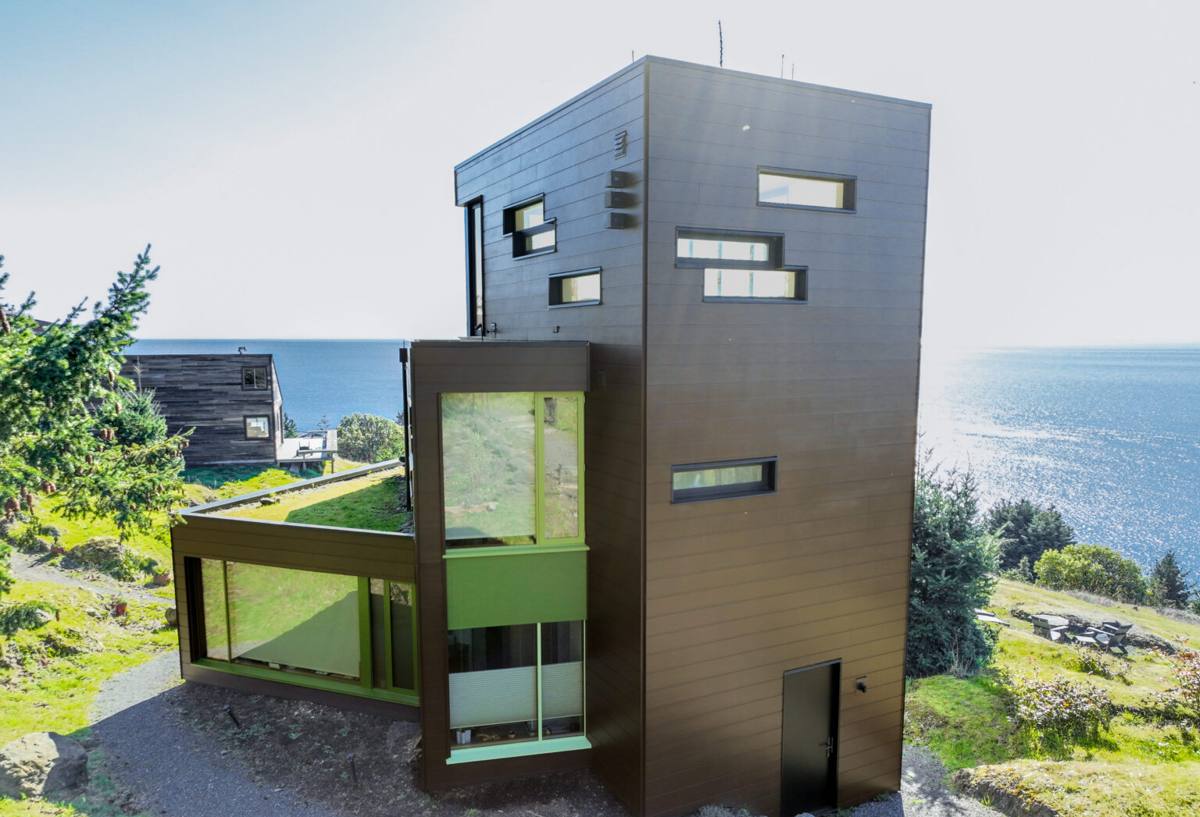
What Local Homes Actually Need
Salt Air and Corrosion
Homes closer to the water deal with airborne salt that slowly works on unprotected metal fasteners, cheap hardware, and unfinished trim. It's not dramatic — it's cumulative. Over years, low-grade hardware corrodes, seals degrade faster than they should, and finishes that weren't rated for coastal exposure start to chalk or pit. We factor that into hardware and fastener choices on homes in this area rather than defaulting to whatever's cheapest.
Driving Rain
Skagit County storms don't just fall straight down — wind-driven rain gets pushed sideways into wall assemblies, and window openings are one of the most common places water finds its way in. A window that looks fine from the curb can still be letting moisture behind the trim if the sill pan, flashing, or sealant details weren't done right. Correct water management at the opening is the single biggest factor in whether a window installation holds up here.
Moss and Sustained Dampness
A long moss season means more months of the year where wood trim, sills, and exterior surfaces stay damp longer between dry-outs. That extended dampness is exactly what rot, mildew, and moss growth need to take hold. Detailing that sheds water quickly and doesn't trap moisture against wood surfaces matters more here than it would somewhere drier.
What a Correct Installation Actually Involves
A lot of what makes a window installation last isn't visible once the job is done. It's underneath the trim, behind the flashing, and in the sequence the materials go in.
- Removing the old window and inspecting the rough opening for hidden rot, soft framing, or prior water damage before anything new goes in
- Correcting any framing or sheathing issues found during removal, rather than installing over a compromised opening
- Installing a properly sloped sill pan so any water that does get past the window drains back outside instead of pooling
- Flashing the opening in the correct shingle-lap sequence (sill, jambs, then head) so water is always directed downward and outward
- Setting the window level, plumb, and square, with proper shimming so it operates smoothly and seals evenly
- Using quality, low-expansion insulation around the frame to control air leakage without bowing the window frame
- Sealing and caulking with products rated for the exposure the window will actually see, not a one-size-fits-all bead
- Finishing exterior trim and touch-up so water sheds away from every joint
Skip or rush any one of these steps and the window can still look good for a year or two before the problems show up. That's part of why window installation is one of those jobs where the value is mostly in what you don't see.
Choosing the Right Window for This Area
There's no single "best" window for every home — it depends on the home's age, exposure, and what you're trying to solve. A few honest trade-offs worth knowing:
| Factor | What to Consider |
|---|---|
| Frame material | Vinyl performs well for most homes and resists moisture without much maintenance; fiberglass holds up to temperature swings with less expansion/contraction; wood-clad offers a traditional look but needs more upkeep in a wet climate |
| Glass package | Double-pane, low-E glass is standard for this climate and helps with both energy performance and comfort near single-pane originals; argon or krypton fill adds a modest efficiency bump |
| Sun and wind exposure | Homes with more open western or water-facing exposure see more wind-driven rain and benefit from extra attention to flashing detail, not necessarily a different window product |
| Home age | Older homes often have rough openings that are out of square or have hidden damage — this affects install time and sometimes requires minor carpentry before the window goes in |
| Maintenance tolerance | If you don't want to repaint or reseal on a schedule, that steers you toward lower-maintenance frame materials rather than one that needs regular upkeep to hold up in salt air and damp conditions |
We'll walk through these trade-offs with you based on your specific home rather than pushing one product line for every job.
Signs Your Cedardale Home May Need New Windows
Some of these show up gradually, which is why homeowners often don't connect them to the windows until they're pointed out.
- Visible fogging or moisture between panes — a sign the seal has failed
- Drafts you can feel near the frame even when the window is fully closed and locked
- Soft or discolored trim and sill wood, especially on walls that take the most weather
- Windows that are hard to open, close, or lock, or that have started to sag in the frame
- Rising energy bills without another clear explanation
- Moss or persistent green growth building up on sills or nearby trim
- Visible gaps or failing caulk lines around the frame
Any one of these on its own isn't necessarily an emergency, but a few together usually means the windows — or their original installation — are past their useful life.
Our Process, Start to Finish
1. On-Site Assessment
We look at each window opening individually — not every window on a house is in the same condition, especially on older homes. We check framing, current flashing (where visible), and note anything that'll affect the installation.
2. Product Selection
We go over frame material, glass package, and style options based on your home, your budget, and what you're trying to fix (drafts, moisture, appearance, energy costs, or all of the above).
3. Installation
We remove the old windows, inspect and correct the opening as needed, and install using the sequence described above — sill pan, flashing, air-sealing, and finish work — so the assembly manages water the way it's supposed to.
4. Cleanup and Walkthrough
We clean up the work area and walk you through the finished windows, including basic operation and care, before we consider the job done.
Why Hiring a Crew That Knows Cedardale Matters
Window installation isn't the same job everywhere. A crew used to installing in a dry inland climate doesn't necessarily think about salt exposure, wind-driven rain, or a moss season that runs most of the year. Those are things you learn by working on homes in Skagit County specifically — by seeing which flashing details actually hold up here and which ones fail after a couple of wet winters. We work on homes throughout the county, which means the detailing we use on your windows reflects what we've actually seen work in this climate, not a generic install method.
What This Typically Costs
Window installation pricing depends on the number of windows, frame material, glass package, window size, and how much correction the rough openings need. As a broad range, homeowners in this area can expect single-window replacement costs to run from a modest sum for a straightforward vinyl replacement into a considerably higher range for larger, higher-end, or fiberglass windows with more complex openings. We won't know the real number for your home until we've looked at the openings in person — quotes based on square footage or window count alone, without an on-site look, tend to be unreliable in either direction.
Maintenance That Extends the Life of Your Windows
Even a correctly installed window benefits from a little seasonal attention in this climate:
- Rinse salt residue and grime off exterior glass and frames a few times a year, more often if you're closer to the water
- Check and clean weep holes on the sill so water can drain instead of pooling
- Inspect caulk lines annually and touch up before small gaps become water paths
- Clear moss or debris off sills and nearby trim before it holds moisture against the wood
- Test operation and locks once a year so hardware issues get caught early, not after they've failed
None of this is difficult, but skipping it is one of the more common reasons a good window installation underperforms over time.
If you're weighing new windows for a Cedardale home, we're glad to take a look and give you a straightforward, no-pressure estimate — just fill out the form below.