 Skagit County
 Asphalt Shingle Roofing Built for Burlington's Climate
Burlington sits in a stretch of Skagit County where three things wear on a roof harder than almost anywhere else in the state: salt-laden air moving in off Padilla Bay and the Salish Sea, long stretches of driving rain that come in sideways with the wind, and a moss season that can run eight or nine months out of the year under the tree cover and cloud ceiling typical of this part of the county. Asphalt shingles are still the most practical, cost-effective roofing material for the vast majority of homes here, but "asphalt shingle roofing" done right in Burlington is not the same job as asphalt shingle roofing done in a dry inland climate. The materials, the detailing, and the maintenance expectations all shift because of what this specific location throws at a roof year-round.
This page covers what that means in practice: what local homes actually need from a shingle roof, what a correct installation looks like, how we run the job from estimate to cleanup, and why it matters to hire a crew that already works this part of Skagit County rather than one passing through.
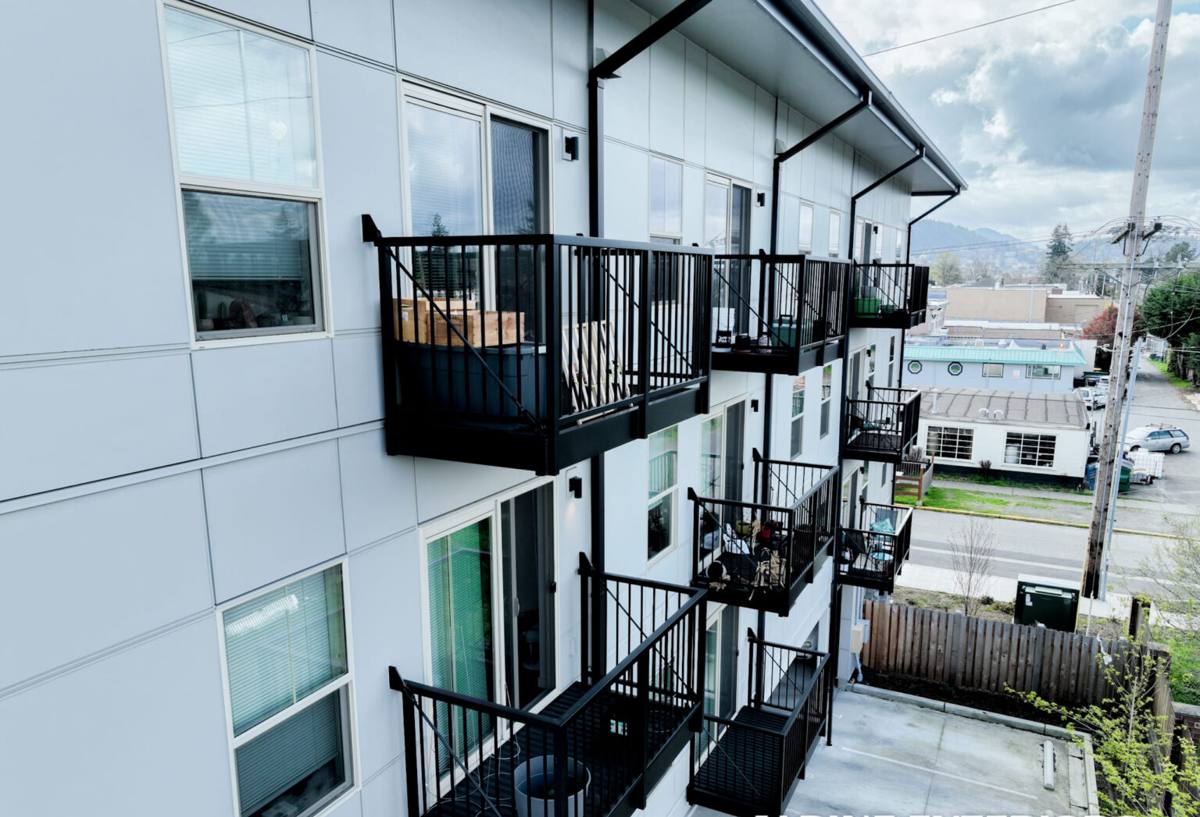
What Burlington's Weather Actually Does to a Roof
Salt Air and Metal Fatigue
Homes closer to the bay and the lowland flats get a steady, low-level dose of salt in the air. Over years, that salt accelerates corrosion on any exposed metal component of a roofing system — nail heads, flashing, drip edge, and vent housings. A shingle itself isn't much affected by salt air, but the metal that holds the system together and keeps water out at the seams absolutely is. This is why fastener and flashing choice matters more here than in a lot of inland Washington towns.
Driving Rain and Wind-Driven Water
Skagit County storms don't always come straight down. Wind off the water pushes rain sideways into roof planes, valleys, and wall-roof intersections, which means water finds its way into gaps that would stay dry in a calmer climate. Standard nailing patterns and underlayment that pass code minimums elsewhere can still let water intrude here if the details around valleys, eaves, and penetrations aren't tightened up for wind-driven exposure.
Moss, Shade, and Slow-Drying Roof Decks
Burlington's mix of mature trees, marine cloud cover, and mild temperatures creates ideal conditions for moss and algae growth on north-facing and shaded roof slopes. Moss isn't just cosmetic — it holds moisture against the shingle surface long after the rest of the roof has dried, which shortens shingle life, and its root structure can lift shingle edges over time, creating a path for water to get underneath. A roof in full sun forty miles inland might go years without a moss problem; a shaded roof in Burlington can start showing growth within a single wet season if it wasn't built and treated with that in mind.
What a Correct Installation Looks Like Here
A shingle roof that's going to hold up under these conditions needs a handful of things done correctly, in order, before the shingles themselves ever go down.
- Deck inspection and repair first. Any soft, delaminated, or water-stained sheathing gets replaced before new roofing goes on — covering a bad deck with new shingles just hides a problem that gets worse.
- Ice-and-water shield at vulnerable zones. Eaves, valleys, and roof-to-wall intersections get a self-adhering waterproof membrane underneath the shingles, not just felt paper, because these are the exact zones wind-driven rain targets.
- Synthetic underlayment across the field. A high-quality synthetic underlayment resists moisture absorption and holds up better through a wet install window than old-style felt, which matters when Skagit County weather doesn't always give you a dry week to work in.
- Corrosion-resistant fasteners and flashing. Given the salt exposure closer to the bay, we favor fastener and flashing materials chosen for corrosion resistance over the cheapest code-minimum option.
- Proper valley and step flashing. Woven or closed-cut valleys and correctly layered step flashing at walls and chimneys are where most leaks actually originate — this is not a place to rush.
- Balanced attic ventilation. Intake at the eaves and exhaust at the ridge keep the roof deck at a stable temperature and humidity, which reduces condensation buildup and helps shingles last their full rated life.
- Manufacturer-correct nailing pattern. Six-nail patterns in high-wind zones instead of the standard four, placed exactly where the manufacturer specifies, to keep shingles sealed down through winter storms.
Choosing the Right Shingle for This Climate
Not every asphalt shingle product is equally suited to a wet, shaded, salt-air environment. We steer homeowners toward products with algae-resistant (AR) granules, which are treated to resist the blue-green algae that causes the dark streaking common on older roofs in wet climates, and toward architectural (dimensional) shingles over basic three-tab in most cases, because their heavier weight and higher wind ratings hold up better to the driving rain and gusts this area sees.
| Shingle Type | Typical Lifespan Here | Best Fit For |
|---|---|---|
| 3-Tab Asphalt | 15–20 years | Budget-conscious projects, secondary structures |
| Architectural (Dimensional) | 25–30 years | Most Burlington homes; better wind and moisture performance |
| Premium/Designer Architectural | 30+ years | Homeowners prioritizing curb appeal and longevity |
Actual lifespan always depends on slope exposure, tree cover, and how consistently moss and debris are kept off the roof — a shaded, moss-prone north slope will age faster than a sun-exposed south slope on the same house.
Our Process, Start to Finish
1. On-Site Evaluation
We start with a full roof inspection, not just a look from the ground. That includes checking the attic for ventilation issues and moisture staining, assessing the deck condition where accessible, and noting existing moss, flashing, and drainage problems specific to your property.
2. Honest Scope and Written Estimate
You get a written estimate that spells out material choice, underlayment, flashing approach, and any deck repair contingencies — no surprise change orders for things we could have identified up front.
3. Scheduling Around Skagit County Weather
We plan installs around realistic dry-weather windows rather than forcing a job into a rain forecast. Wet-weather installation on a Burlington roof is exactly the kind of shortcut that causes underlayment and deck problems down the line.
4. Tear-Off and Deck Assessment
Old roofing comes off down to the deck so we can actually see what we're working with, rather than layering over unknown conditions.
5. Installation to Manufacturer Spec
Underlayment, flashing, and shingles go down in the order and pattern the manufacturer requires to keep warranty coverage intact — this is also what keeps the roof performing the way it's supposed to.
6. Cleanup and Final Walkthrough
Magnetic sweep for stray nails, full site cleanup, and a walkthrough so you understand what was done and what maintenance, if any, to expect going forward.
Maintenance That Actually Matters in Burlington
A correctly installed shingle roof in this climate still benefits from a little ongoing attention. This isn't a long list, but skipping it shortens the life of even a well-built roof.
- Keep gutters and valleys clear of needles and leaf debris, which trap moisture against the roof edge.
- Have moss growth treated and removed before it spreads — don't pressure-wash shingles, which strips granules and shortens their life.
- Trim overhanging branches to reduce shade and debris buildup on north-facing slopes.
- Have flashing and seals around vents, chimneys, and skylights checked every few years, since these are the first place a leak typically starts.
- After major windstorms, a quick visual check for lifted or missing shingles can catch a small problem before it becomes a deck repair.
Signs You Shouldn't Ignore
| What You Notice | What It Often Means |
|---|---|
| Dark streaking on north-facing slopes | Algae growth — cosmetic now, but can accelerate shingle wear if untreated |
| Thick moss mats, especially in shaded valleys | Moisture retention risk; can lift shingle edges over time |
| Granules collecting in gutters | Shingle wear, often accelerated by age or repeated moisture exposure |
| Ceiling stains after wind-driven storms | Possible flashing or valley failure, needs prompt inspection |
| Curling or cupped shingle edges | Sign of aging shingles or ventilation problems, worth a professional look |
Why a Crew That Already Works Burlington Matters
Roofing crews that split time between multiple climate zones don't always adjust their default practices for a specific area's conditions — the underlayment, fastener, and ventilation choices that are fine in a dry region aren't automatically fine here. A crew that works Skagit County regularly already knows which roof orientations in Burlington tend to hold moss, which flashing details fail first under wind-driven rain off the bay, and how to schedule installs around a marine weather pattern that doesn't always cooperate. That local familiarity shows up in fewer callbacks and a roof that's actually built for where it sits, not for a generic climate assumption.
It also matters for warranty support and follow-up. A local crew is reachable if a question comes up two years after installation, and understands the specific maintenance rhythm — moss treatment timing, gutter clearing, storm-check habits — that keeps a Burlington roof performing for its full rated life.
Get a Free, No-Pressure Estimate
If your Burlington home needs a new asphalt shingle roof, a repair, or just an honest inspection to find out where you stand, we're glad to come take a look. The estimate is free, there's no pressure, and you'll get a straight answer about what your roof actually needs — not an upsell. Use the form below to get started.