 Skagit County
 Board & Batten in Clear Lake: A Classic Look With Real Climate Demands
Board and batten has a strong following in Clear Lake and the surrounding Skagit County countryside, and it's easy to see why. The vertical lines read as farmhouse, craftsman, or modern depending on trim and color choices, and it pairs well with the mix of wooded lots, lake-adjacent properties, and open rural parcels that make up this part of the county. But board and batten is also one of the least forgiving siding styles when the substrate or installation is wrong. The vertical boards and the narrow battens that cover the seams create more joints, more fastener penetrations, and more places for water to find a way in than a standard lap profile. In a climate like this one, that matters.
This page is specifically about board and batten siding for homes in and around Clear Lake — what the local weather asks of it, what a correct installation actually involves, and why we only install this style in one material.
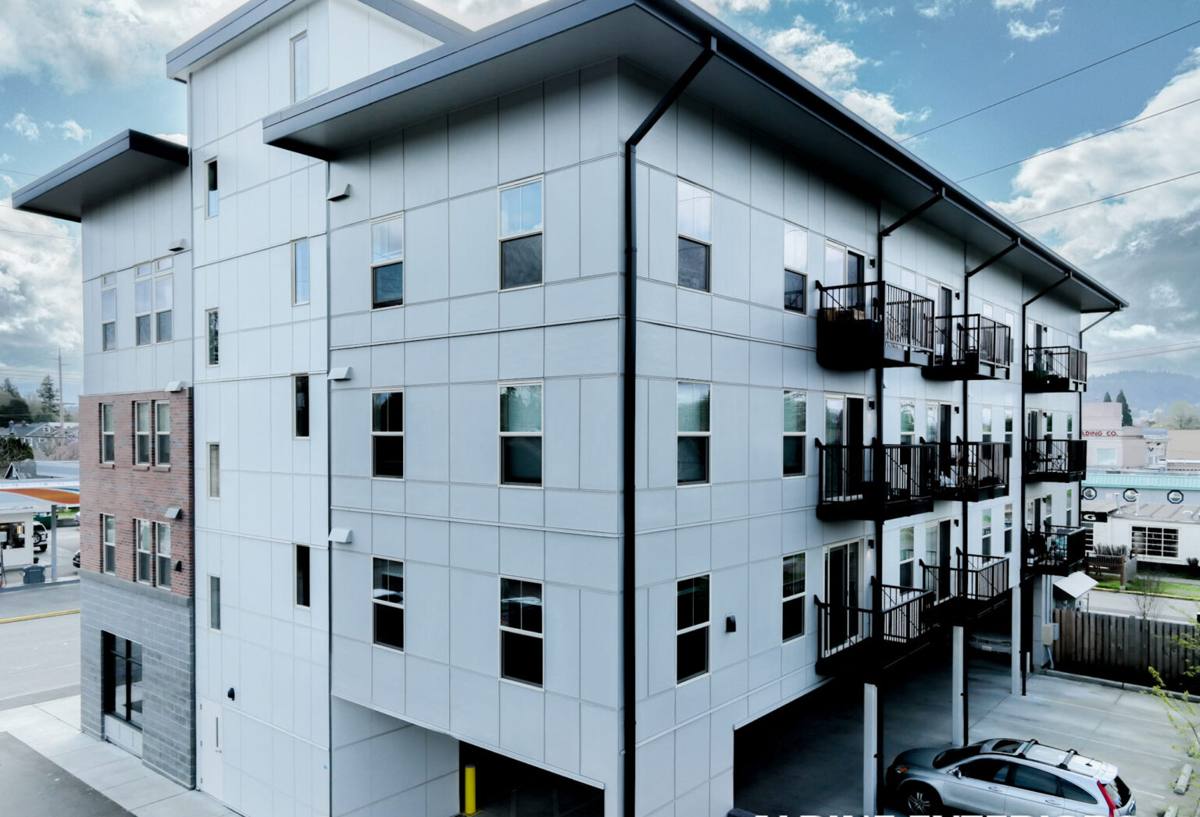
What Skagit County's Weather Does to Vertical Siding
Driving rain
Pacific storms moving through Skagit County don't just drop rain straight down — wind pushes it sideways, and vertical siding profiles are hit harder by wind-driven moisture than horizontal lap because water can travel down a batten seam and find a gap instead of shedding off a lapped edge. A board and batten wall depends entirely on correct flashing, a drainage plane behind the siding, and tight, consistent batten coverage to stay dry through a wet Skagit County winter.
A long moss season
Between the tree cover common around Clear Lake and the number of overcast, damp months the region gets each year, moss and algae have a long window to establish themselves on any siding surface that stays damp. Wood and wood-composite battens are especially vulnerable because moss holds moisture against the surface, and that constant dampness is what eventually leads to rot, swelling, and paint failure at the board edges and batten joints.
Marine-influenced, salt-tinged air
Skagit County's proximity to Puget Sound and the Salish Sea means homes even a distance inland get some exposure to salt-tinged marine air, especially during winter storm patterns. That salt content accelerates corrosion on fasteners and metal flashing and speeds up the breakdown of lower-grade paint films — two things that show up first, and worst, on vertical siding with more exposed hardware and more painted edge surfaces than lap siding.
Why We Install Board & Batten Only in James Hardie Fiber Cement
Board and batten is available in several materials — cedar, primed spruce, engineered wood products like LP SmartSide, vinyl board-and-batten panels, and fiber cement. We install it exclusively in James Hardie fiber cement, and given everything above, that's not a brand preference — it's a decision based on what this climate does to the alternatives over time.
What we don't install, and why
Wood and engineered-wood board and batten look good on day one, but they rely on paint film and moisture management to stay that way. In a climate with a long moss season and consistent driving rain, the narrow battens and exposed vertical seams on those products are exactly where moisture works its way in first — through joints, fastener heads, and butt seams that need ongoing caulking and repainting to stay sealed. Vinyl board and batten avoids rot but flexes with temperature swings, can gap at the seams over time, and doesn't offer the crisp, flat panel look that makes board and batten attractive in the first place. We made the call not to install these in Clear Lake because the maintenance burden and long-term risk didn't match what we're willing to put our name on.
The HardiePanel and batten system
James Hardie's fiber cement is engineered for exactly this kind of climate — the HZ10 product line is formulated for the wet, moderate Pacific Northwest, resisting moisture absorption and swelling far better than wood-based products. For board and batten, that typically means HardiePanel vertical siding with true battens installed over it, finished in Hardie's factory-applied ColorPlus finish. Because the color is baked on at the factory rather than field-applied, the battens and panels hold their finish far longer under UV and salt exposure than a site-painted product, and touch-up paint is formulated to match instead of guessed at.
What a Correct Board & Batten Installation Actually Involves
The style's appeal is in the clean vertical lines, but the workmanship that keeps those lines watertight is almost all hidden once the job is done. A correct installation includes:
- A weather-resistive barrier and, ideally, a drainage gap or rainscreen behind the panels so any moisture that does get past the surface can drain and dry instead of sitting against the sheathing
- Properly lapped and sealed flashing at every window, door, roofline, and horizontal transition — the points most exposed to wind-driven rain
- Fastener placement and spacing that follows Hardie's published installation instructions, not shortcuts, since incorrect fastening is one of the most common causes of early failure and voided warranties
- Battens installed with consistent spacing and secured into structural framing wherever possible, not just into the panel
- Caulking only where Hardie's install guide calls for it — over-caulking traps moisture just as badly as under-caulking lets it in
- Clearance at grade and at any hard-surface transitions to keep splash-back and standing moisture off the bottom edge of the siding
Skip any one of these and the siding can still look right for a season or two before the real problems start showing up at the seams.
Our Process for a Clear Lake Board & Batten Project
Every board and batten job we take on in Clear Lake starts the same way, whether it's a full re-side or a single wall or addition:
1. On-site assessment
We look at the existing siding and sheathing, check for signs of past moisture intrusion around windows and trim, and assess how exposed each elevation is to prevailing wind and rain direction — a real consideration on lake-adjacent and tree-shaded lots.
2. Substrate and moisture check
Before any new siding goes up, we confirm the sheathing underneath is sound. Board and batten hides a lot behind a flat, clean surface, so we don't install over a substrate we haven't verified.
3. Product and profile selection
We walk through Hardie panel and batten options, reveal widths, and ColorPlus color choices so the finished look matches what the homeowner has in mind, whether that's a traditional farmhouse profile or a tighter modern spacing.
4. Installation to manufacturer spec
Flashing, drainage, fastening, and batten layout are done to Hardie's published details — the same details that make the difference between siding that lasts and siding that fails early.
5. Final walkthrough
We go over the finished work with the homeowner, including basic care and what to watch for, before calling the job done.
Cost Factors for Board & Batten Siding in Clear Lake
Board and batten generally costs somewhat more than standard lap siding to install because of the added materials (separate panels and battens) and the additional labor involved in layout and fastening. Exact pricing depends on the specifics of the home, but the main factors are consistent from project to project.
| Factor | Why It Affects Cost |
|---|---|
| Wall square footage and home shape | More corners, gables, and transitions mean more cutting, flashing, and batten layout work |
| Existing siding removal | Tear-off and disposal of old siding adds labor beyond a straightforward install |
| Substrate repair | Any rot or moisture damage found underneath has to be corrected before new siding goes on |
| Batten spacing and reveal width | Tighter batten spacing means more material and more fastening time than wider spacing |
| Trim and detail work | Window and door surrounds, corner treatments, and fascia detailing add finishing time |
| Color and finish selection | Factory ColorPlus finishes are priced by color line, similar to standard Hardie lap siding |
Maintenance and Long-Term Performance
One of the practical advantages of fiber cement board and batten over wood or engineered wood is how little ongoing maintenance it needs to keep performing. It won't absorb moisture and swell at the battens the way wood-based products can, and the factory finish is built to hold color without the repainting cycle that wood siding requires. That said, no siding is maintenance-free, and a few habits go a long way in this climate:
- Rinse siding periodically to keep moss and algae from establishing, especially on shaded or north-facing walls
- Keep gutters clear so overflow doesn't run down the wall and concentrate moisture at specific batten joints
- Trim back vegetation and tree limbs that hold moisture against the siding or block sun and airflow
- Inspect caulking at trim and penetrations every year or two and have any cracked sections addressed early
- Address any impact damage or chips promptly so the underlying panel stays protected
Why Hire a Crew That Already Works Clear Lake and Skagit County
Board and batten installed to spec on paper can still fail if the crew isn't accounting for the specific way rain, wind, and moisture behave on a given site. A crew that regularly works Clear Lake and the rest of Skagit County has already seen how prevailing weather moves across lake-adjacent lots, how much moss pressure a shaded wall gets compared to an open one, and where flashing details matter most on the home styles common to this area. That local pattern recognition, combined with disciplined installation to James Hardie's specifications, is what keeps a board and batten job looking sharp and staying dry for the long run — not just through the first winter.
If you're considering board and batten siding for a home in Clear Lake, we're happy to take a look and walk you through what it would involve for your specific property. Reach out for a free, no-pressure estimate using the form below.