 Skagit County
 Windows Built for Avon's Skagit Valley Climate
Avon sits low in the Skagit River valley, surrounded by farmland, drainage ditches, and a water table that stays high most of the year. That setting shapes what a window has to survive here. Homes in this part of Skagit County deal with long stretches of driving rain off the Sound and delta, moisture-laden air that never really dries out between storms, and a moss and mildew season that can run eight months or more. Add in the wind that funnels down the valley with nothing to break it, and old or marginal windows in Avon tend to fail faster than the same units would in a more sheltered neighborhood.
We're not talking about windows that are broken outright. Most of the calls we get in Avon are about windows that still open and close but have quietly stopped doing their job: fogged glass between the panes, swollen or soft sills, drafts you can feel standing next to the frame, and finish that's peeling or gone chalky from years of damp air. Replacing those windows correctly — not just swapping glass into an old frame — is the difference between a fix that lasts and one you're dealing with again in five years.
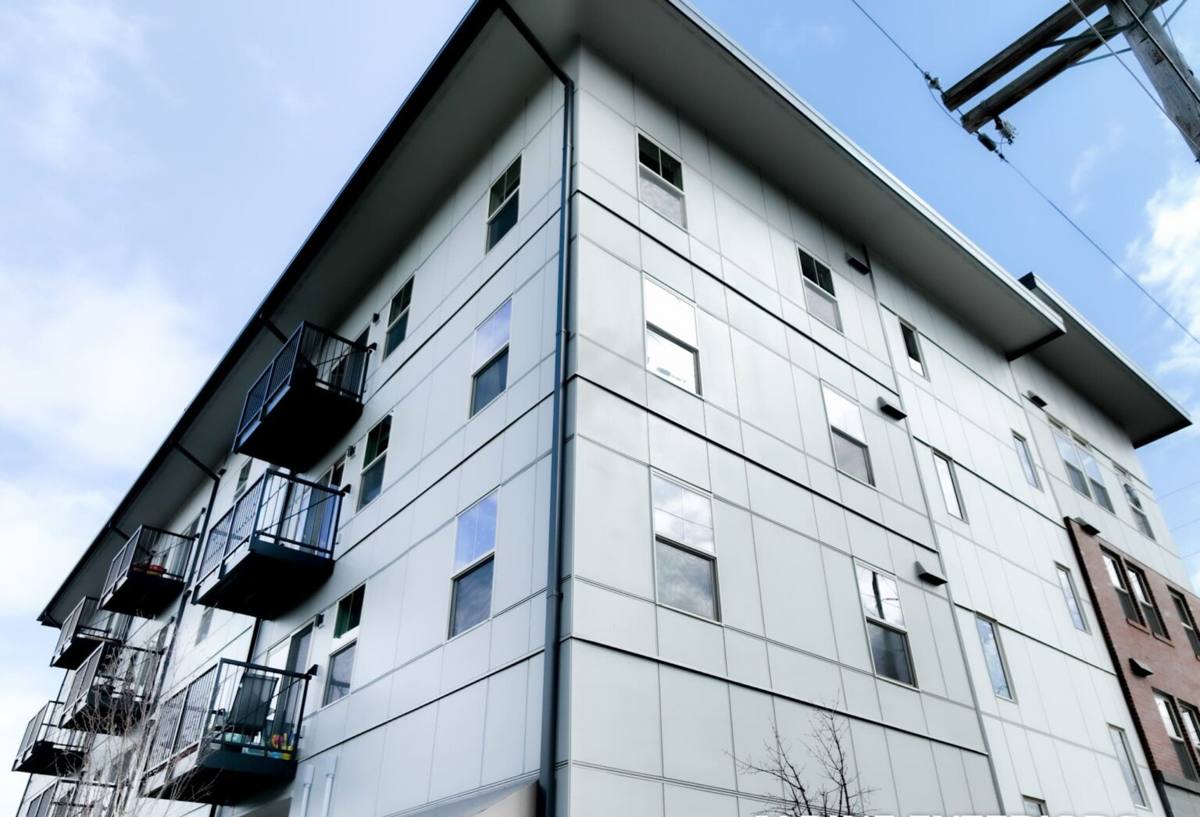
What Local Homes Are Actually Dealing With
Avon's mix of older farmhouses, mid-century ranch homes, and newer infill construction means we see a wide range of window conditions on any given week. A few patterns show up again and again out here:
- Wood-frame windows from the 1970s–90s with sills that have absorbed years of splashback and condensation, leading to soft or delaminating wood under the paint
- Aluminum single-pane units on older farmhouses that were never insulated well to begin with and now sweat heavily every winter morning
- Vinyl windows from the 1990s–2000s with failed seals — the double-pane glass has fogged permanently because the argon gas and desiccant have broken down
- Moss and algae buildup on north- and west-facing frames and trim, a direct result of the long wet season and limited direct sun on those exposures
- Condensation on interior glass and sills in winter, which is often less about the window itself and more about a poorly sealed install letting warm, humid indoor air meet a cold frame
That last point matters. In our experience, a lot of "bad window" complaints in this valley are actually installation problems — gaps in the flashing or insulation that let moist air track behind the frame — rather than a defect in the window unit itself. That's why we treat the install as seriously as the product.
What a Correct Window Replacement Involves
Before the old window comes out
We check the rough opening for water damage, soft framing, and evidence of past leaks before we ever pull the old unit. In a river-valley climate like Avon's, catching rot or moisture intrusion early — before it's hidden behind new trim — saves a homeowner from a much bigger repair down the road.
Flashing and weatherproofing
This is where most of the long-term performance of a window replacement actually gets decided. Proper sill pan flashing, correctly lapped house wrap, and sealant placed where it does the most good keep driving rain and wind-driven moisture from getting behind the siding. Skip this step, or do it out of order, and you can install the best window on the market and still get a leak in three years.
Insulation and air sealing
Gaps around the frame get filled with low-expansion foam or backer rod and sealant — never packed so tight it bows the frame, never left so loose that air moves through it. This is what actually stops the drafts and condensation homeowners are trying to solve.
Interior and exterior finish work
Trim gets reset or replaced, caulk lines are clean, and paint or stain matches the surrounding siding so the new window looks like it belongs, not like a patch job.
Choosing the Right Window for This Setting
We don't push one brand or material as the answer for every home. What we do is match the window to the exposure, the home's age, and the homeowner's priorities — budget, maintenance tolerance, and how long they plan to stay in the house.
| Frame Material | How It Handles Avon's Climate | Maintenance |
|---|---|---|
| Vinyl | Good moisture resistance, won't rot; performance depends heavily on seal quality and installation | Low — occasional cleaning |
| Fiberglass | Very stable in temperature and moisture swings, holds paint well over time | Low — repaint on your schedule, not out of necessity |
| Wood (clad exterior) | Attractive interior wood look with a protected exterior face; the clad shell handles the rain, but any exposed or damaged cladding needs prompt attention | Moderate — watch cladding seams and interior finish |
| Aluminum | Durable but a poor insulator; prone to condensation in this climate unless thermally broken | Low, but condensation issues often persist regardless of upkeep |
For most Avon homes, we steer people toward vinyl or fiberglass for exposed walls that take the brunt of the weather, simply because the maintenance burden is lower and the moisture resistance is a better match for a valley climate with a long wet season. That's a judgment call based on trade-offs, not a knock on other materials — wood-clad windows can be the right choice for a homeowner who wants that interior look and is comfortable staying on top of maintenance.
Glass and gas fill
Double-pane, low-E glass with argon fill is the practical standard here. It cuts down on the condensation problems so common on older single-pane and failed-seal windows, and the low-E coating helps manage heat loss through Avon's long gray winters without making the home feel like a greenhouse in the brief stretches of summer sun.
How We Approach a Job in Avon
- On-site assessment — we look at each opening individually, not just the window itself. Framing condition, current flashing, and exposure to wind and rain all factor into the plan.
- Straightforward proposal — what's being replaced, what materials we recommend and why, and what it costs, in writing.
- Scheduling around the weather — we plan install days with an eye on the forecast; opening up a wall in the middle of a driving rain event isn't good for the home or the work.
- Removal and inspection — old units come out carefully so we can check the framing behind them before anything new goes in.
- Correct flashing and install — sill pan, house wrap integration, and sealant done in the right order, every time.
- Finish and walkthrough — trim, paint or stain, and a final check that every window opens, closes, and locks the way it should.
What Drives the Cost
Every Avon home is different, and giving a number without seeing the job would be a guess, not an estimate. What generally moves the price:
| Factor | Why It Matters |
|---|---|
| Frame material and glass package | Vinyl, fiberglass, and clad-wood options span a real price range; upgraded low-E or impact-resistant glass adds cost |
| Condition of the rough opening | Rot or water damage behind the old window means repair work before the new one can go in |
| Window size and style | Large picture windows, bays, or custom shapes cost more than standard double-hung or slider replacements |
| Number of openings | Whole-house replacements typically bring a better per-window cost than doing one or two at a time |
| Access and site conditions | Second-story or hard-to-reach windows take more time and equipment |
What to Check Before You Hire Anyone
Skagit County has no shortage of contractors who will sell a window. Fewer of them are set up to install one correctly in a climate that punishes shortcuts. Before hiring anyone for a window replacement in Avon, it's worth asking:
- Do they inspect the rough opening and framing before quoting, or just measure the glass?
- Can they explain their flashing and sealing process in plain terms, not just "we seal it good"?
- Are they licensed and insured to do exterior work in Washington state?
- Do they offer a written warranty on both the product and their labor, separately?
- Have they worked in low-lying, high-moisture areas of the county before, or mostly on drier, sheltered lots?
A crew that already works this part of the valley knows which exposures take the worst of the rain, how the local moisture and moss cycle behaves through the seasons, and where corners tend to get cut on jobs that don't hold up. That local experience shows up in fewer callbacks, not in a sales pitch.
Signs It's Time to Replace, Not Repair
Not every window issue means full replacement. Sometimes a re-caulk, a new sweep, or a hardware adjustment solves the problem. Replacement generally makes more sense when you see:
- Fogging or haze between the panes that won't clear — the seal has failed and can't be repaired
- Soft, spongy, or visibly rotted wood in the sill or frame
- Windows that won't stay open, won't latch, or have warped enough that they bind
- Persistent condensation or moisture staining on the wall or trim around the window, even after addressing indoor humidity
- Single-pane glass in a home you plan to keep long-term, where the ongoing energy and comfort cost outweighs a repair
Get a Straight Answer for Your Home
If you're weighing whether your windows need replacing or just some attention, we're happy to take a look and tell you honestly which it is. We offer free, no-pressure estimates for Avon homeowners — walk the property with you, point out what we see, and lay out real options and real numbers. Reach out through the form below to get started.