 Skagit County
 Asphalt Shingle Roofing Built for Conway's Climate
Conway sits in the low, open country of the Skagit River delta, close enough to Skagit Bay and the Puget Sound shoreline that salt-tinged air is part of daily life. Add the rain that rolls off the water most of the year and the shade from the fir and cedar cover that wraps a lot of Conway-area properties, and you've got a roofing environment that's harder on asphalt shingles than most manufacturers' warranty language accounts for. A roof that would hold up fine in a dry inland climate can show moss, granule loss, and premature aging here in half the time if it isn't installed with this specific climate in mind.
We install and replace asphalt shingle roofs across Skagit County, and Conway homes get particular attention because of that combination of salt air, sustained moisture, and shade. This page covers what that actually means for your roof, what a correct installation looks like, and how we handle the job from first inspection to final cleanup.
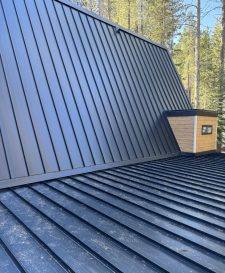
What Conway's Climate Does to a Shingle Roof
Salt Air
Airborne salt from the bay accelerates corrosion on exposed metal — nail heads, flashing, drip edge, and vent stacks. Once corrosion starts on a fastener or flashing seam, water finds its way underneath the shingle mat long before the shingles themselves show visible wear. This is a slow, invisible failure mode, which is exactly why it causes so much damage before anyone notices a leak.
Driving Rain
Skagit County doesn't just get a lot of rain — much of it comes in sideways during winter storms off the water. Wind-driven rain finds any gap in a shingle's seal, any short nail, or any valley that wasn't lined correctly. A roof that's fine in a light vertical rain can leak badly under driving rain if the underlayment, flashing, and shingle overlap weren't done to handle it.
A Long Moss Season
Between the tree cover common on Conway lots and the extended damp season, moss and algae have a long window to establish themselves — often close to nine months of the year. Moss doesn't just look bad; it lifts shingle edges as it grows, holds moisture against the roof deck, and works its way under the shingle mat over time. Left unchecked for a few seasons, moss growth can shorten a roof's usable life by years.
What a Correct Installation Actually Involves
A shingle roof is a system, not just a layer of shingles nailed to plywood. Skipping any one piece of that system is where most premature failures in this climate start.
- Deck inspection and repair — any soft, delaminated, or water-stained sheathing gets replaced before anything new goes down, not covered over.
- Ice-and-water shield at eaves, valleys, and roof penetrations — the first line of defense against wind-driven rain finding a way in.
- Synthetic underlayment across the full deck, correctly lapped so water always sheds downhill over the next course, never into it.
- Corrosion-resistant flashing and fasteners — given the salt air here, we don't cut corners on metal quality at chimneys, walls, and valleys.
- Proper nailing pattern — the right nail count, placement, and depth per shingle, which matters more for wind resistance than the shingle brand does.
- Balanced attic ventilation — intake at the eaves and exhaust at the ridge, so moisture from inside the house doesn't condense against the underside of the deck and rot it from below.
- Algae-resistant shingle selection where it fits the home, to slow the moss and algae growth this climate encourages.
Any one of these done wrong can undercut everything else. A premium shingle over bad flashing still leaks. Great flashing over a rotted deck still fails. We treat the whole system as the job, not just the visible top layer.
Our Process, Start to Finish
1. Inspection and Honest Assessment
We start by getting on the roof, not just looking at it from the ground. We check the deck condition, existing flashing, ventilation, and how much of the current problem (if there is one) is isolated versus roof-wide. If a repair genuinely makes more sense than a full replacement, we'll tell you that.
2. Tear-Off and Deck Check
Full tear-off to bare deck on replacements — we don't install over existing layers, since that traps moisture and hides deck problems instead of solving them. Any damaged sheathing gets identified and replaced at this stage.
3. Underlayment, Flashing, and Ventilation
Ice-and-water shield at vulnerable areas, synthetic underlayment across the field, new flashing at every penetration and valley, and a ventilation check or upgrade if the attic isn't breathing correctly.
4. Shingle Installation
Correct nailing, correct exposure, correct starter course and ridge cap detail. These details are what separate a roof that handles Conway's driving rain from one that doesn't.
5. Cleanup and Walkthrough
Magnetic sweep for stray nails, full site cleanup, and a walkthrough so you know what was done and what to watch for going forward.
Choosing Shingles for a Conway Home
Not every shingle line is worth the same money for a home in this climate. Here's how the common tiers stack up for Conway conditions specifically:
| Shingle Tier | Typical Lifespan | Wind Rating | Best Fit for Conway |
|---|---|---|---|
| 3-Tab (economy) | 15–20 years | Lower | Budget projects; less margin against driving rain and wind over time |
| Architectural (standard) | 25–30 years | Moderate–high | Solid choice for most Conway homes; good balance of cost and durability |
| Architectural with algae resistance | 25–30 years | Moderate–high | Worth the small upcharge here given the long moss season |
| Premium/designer | 30+ years | High | Best long-term option for exposed or heavily shaded lots |
For most homes in and around Conway, we steer people toward at least an architectural shingle with algae-resistant granules. The upcharge over a basic 3-tab is modest, and it directly addresses the moss and staining problem this climate causes rather than just delaying it.
Problems We See Often on Conway Roofs
- Moss and algae streaking on north-facing and shaded slopes, especially under tree cover.
- Corroded or failing flashing around chimneys and vent stacks, tied to salt-air exposure over time.
- Nail pops and lifted shingle edges from wind-driven rain finding weak spots in the original installation.
- Valley leaks where the original valley lining wasn't sized or lapped correctly for heavy rain volume.
- Poor attic ventilation leading to condensation damage on the underside of the deck, often mistaken for a roof leak.
Most of these trace back to installation shortcuts rather than shingle quality alone — which is exactly why the installation details matter as much as the product you choose.
What Drives Cost on a Conway Roofing Project
| Factor | Why It Matters |
|---|---|
| Roof size and pitch | More area and steeper pitches mean more material and labor time |
| Deck condition | Rotted or soft sheathing found during tear-off adds repair cost, but skipping it isn't an option |
| Shingle tier | Algae-resistant and premium lines cost more upfront but hold up longer against local moss and staining |
| Flashing and ventilation scope | Chimneys, skylights, and multiple roof planes add complexity and material |
| Access and site conditions | Tree cover, steep grades, or tight access affect labor time and disposal logistics |
We give a real, itemized number after we've actually looked at the roof — not a phone-quote guess. Every Conway property is a little different once you're standing on the deck.
A Simple Maintenance Checklist for Conway Homeowners
- Have moss and debris cleared from the roof surface and gutters at least once a year, ideally before the wet season ramps up.
- Watch for granules collecting in gutters or downspouts — a sign of shingle wear that's worth having checked.
- Trim back overhanging branches where practical to reduce shade and debris buildup that feeds moss growth.
- Have flashing around chimneys and vents inspected every couple of years given the salt-air corrosion factor here.
- Check the attic occasionally for signs of moisture or poor airflow, not just the roof surface itself.
Why a Local Skagit County Crew Matters Here
A roofing crew that hasn't worked this specific stretch of Skagit County will size a job the way they'd size it anywhere — standard underlayment, standard flashing, whatever shingle is on sale. That approach doesn't account for what salt air does to fasteners over five years, or how much moss pressure a shaded Conway lot actually sees compared to a roof further inland. We work this area regularly, so the flashing grade, ventilation approach, and shingle recommendation we give you are based on what actually holds up here, not a generic spec sheet.
If you're planning a new roof, dealing with moss or a leak, or just want an honest read on how much life is left in your current shingles, we're glad to take a look. Reach out for a free, no-pressure estimate using the form below.