 Skagit County
 Why Window Installation in Bow Takes Local Knowledge
Bow sits close enough to Samish Bay and the open water of Skagit County that homes here take a different kind of weathering than houses further inland. Salt-laden air corrodes hardware and fasteners faster than it does in a dry climate, wind-driven rain gets pushed sideways into gaps that would stay dry elsewhere, and the shaded, damp conditions that persist through much of the year keep moss and algae established on siding, trim, and window sills for most of the year. Windows are one of the biggest openings in your building envelope, and in this environment a window that isn't installed correctly doesn't just leak eventually — it can start showing problems within a year or two.
Window installation in Bow isn't fundamentally different work than installation anywhere else in Skagit County, but the margin for error is smaller. Flashing details, sealant choices, and hardware materials all need to account for the fact that this home will spend a lot of its life wet, salty, or both.
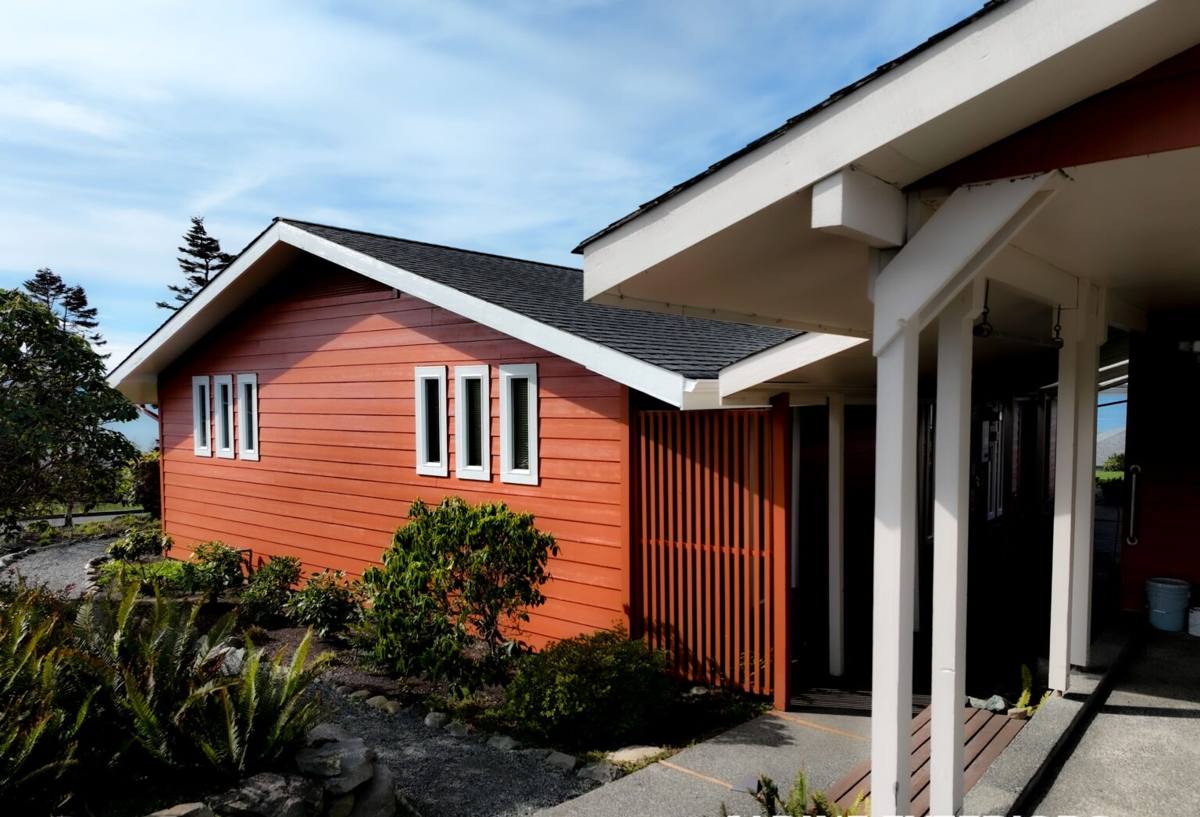
Signs a Bow Home Needs New Windows
Homeowners usually notice a problem before they can name it. Common signs we see on service calls in the Bow area include:
- Fogging or a permanent haze between panes, which means the seal on a double-pane unit has failed
- Soft or discolored wood trim around the window frame, often a sign moisture has been getting behind the casing
- Drafts you can feel with a hand near the frame on a windy day
- Windows that are difficult to open, close, or latch — often swollen wood or corroded hardware
- Visible gaps between the frame and siding, or cracked/missing caulk lines
- Moss or dark streaking building up on the sill and lower frame faster than on the rest of the house
Any one of these on its own might just mean a repair. Several together, especially on the weather-facing side of the house, usually means the windows and their flashing are due for replacement rather than another round of caulk and touch-up.
What a Correct Installation Actually Involves
Setting a new window into an existing opening looks simple from the outside, but most leaks we're called out to fix trace back to shortcuts taken during installation, not a bad window unit. A correct job includes:
Opening Prep
The old window comes out and the rough opening gets inspected for rot, soft framing, or existing water damage before anything new goes in. In a climate like Bow's, skipping this step and installing a new window over a compromised opening just seals moisture problems inside the wall.
Flashing and Water Management
This is the step that matters most for coastal Skagit County homes. Proper flashing directs any water that gets past the exterior cladding back out, rather than letting it pool at the sill or run down into the wall cavity. That means correctly lapped flashing tape, a sloped sill pan so water sheds outward instead of sitting against the wood, and sealant placed only where it should be — sealing the wrong seams can trap water instead of keeping it out.
Air Sealing and Insulation
The gap between the window frame and the rough opening gets sealed with a proper low-expansion foam or backer rod and sealant, not just stuffed with fiberglass. This controls both drafts and condensation risk.
Exterior Finish Detail
Trim, casing, and caulking get reinstalled so water sheds away from the window rather than collecting at joints. Given how much moss and algae pressure this area sees, we also pay attention to how easy the finished trim will be to keep clean.
Choosing the Right Window for a Bow Property
Material and glass choice matter more here than in a drier inland climate, because everything on the exterior of your home is dealing with more moisture exposure over the course of a year. Here's how the common options compare for this specific environment:
| Frame Material | How It Handles This Climate | Maintenance |
|---|---|---|
| Vinyl | Won't rot or corrode; performs well in salt air and rain exposure | Low — occasional rinse to clear salt film and moss growth |
| Fiberglass | Very stable in temperature and moisture swings, strong resistance to warping | Low — similar rinse routine, holds paint well if color changes are wanted later |
| Aluminum | Prone to corrosion near salt air unless properly coated; can develop condensation issues | Moderate to high — needs monitoring for pitting and corrosion over time |
| Wood / Wood-Clad | Attractive but the most vulnerable to moisture intrusion if any seal fails | High — regular refinishing and inspection, especially on shaded or north-facing walls |
For most homes in Bow, we recommend vinyl or fiberglass frames as the honest, lower-maintenance choice given the climate. Wood-clad windows can still be the right call for a specific look or a historic property, but we'll walk through the added upkeep that comes with that choice before you commit — it's a real trade-off, not a knock on the product.
Glass Considerations
Double-pane, low-E glass is the practical baseline for this area — it cuts down on heat loss during the cold, wet months and helps limit condensation on the interior pane, which is common in homes near the water. Triple-pane is worth discussing for north-facing rooms or homes closer to the shoreline where wind exposure is higher, but it comes at added cost and weight, so it's a conversation about your specific rooms, not a blanket upgrade.
Our Installation Process
We keep the process straightforward and try to minimize how long your home is open to the weather:
- On-site assessment — we look at each window opening, note any rot or existing water damage, and measure for exact fit
- Honest estimate — you get a written scope covering materials, flashing approach, and any framing repair needed, with no surprise add-ons sprung on you later
- Scheduling around weather — we watch the forecast and avoid opening up walls during active rain when possible, which matters more here than in drier parts of the state
- Removal and opening repair — old units come out, any soft or damaged framing gets addressed before the new window goes in
- Installation — proper flashing, sill pan, air sealing, and window setting per manufacturer specs
- Exterior finish — trim and caulking completed to shed water correctly
- Final walkthrough — we test operation, check seals, and go over care with you before we consider the job done
What Window Installation Costs
Costs vary based on window count, size, material, and how much (if any) framing repair is needed once the old windows come out. Broad ranges to plan around:
| Factor | Impact on Cost |
|---|---|
| Frame material (vinyl vs. fiberglass vs. wood-clad) | Vinyl is generally the most budget-friendly; fiberglass and wood-clad run higher |
| Glass package (double-pane vs. triple-pane, low-E coatings) | Upgraded glass adds cost per unit but can matter more on exposed or north-facing walls |
| Existing wall/framing condition | Rot or water damage found during removal adds repair cost before the new window can go in |
| Number of windows and access difficulty | Whole-house projects typically bring a lower per-window cost than one-off replacements |
We won't know exact numbers for your home until we see the openings in person — anyone quoting a firm price sight unseen on an older Bow home is guessing. What we can promise is a written estimate that explains what you're paying for.
Why It Matters to Hire a Crew That Already Works This Area
Window installation crews that mostly work drier, inland parts of Skagit County or elsewhere in Washington don't always adjust their flashing and sealant approach for a property this close to the water. A crew that regularly works in Bow already knows to plan around wind-driven rain during install, understands how quickly moss and algae establish themselves on sills and trim here, and doesn't treat salt-air corrosion as an edge case. That familiarity shows up in the small decisions — sill pan slope, which sealant to use where, how tight to detail the trim — that determine whether a window is still performing well in five or ten years.
Keeping New Windows Performing Long-Term
A correct installation is most of the job, but a little homeowner upkeep extends the life of the work significantly in this climate:
- Rinse sills and frames periodically to clear salt film, especially after storms
- Keep gutters and downspouts clear so runoff isn't pooling near window openings
- Check caulk lines once a year for cracking or gaps, particularly on the weather-facing side
- Remove moss buildup on sills and trim promptly rather than letting it sit
- Operate each window a few times a season so hardware doesn't seize from disuse
If your windows in Bow are drafty, fogged, or just showing their age, we're happy to take a look and give you a straightforward, no-pressure estimate — use the form below to get started.