 Skagit County
 Roof Repair Built for Skyline's Coastal Climate
Homes in the Skyline area sit close enough to the water that salt air is a daily fact of life, not an occasional nuisance. Add in Skagit County's long wet season, frequent driving rain off the Salish Sea, and a moss season that can run from fall through spring, and you have a roofing environment that is genuinely tougher than what inland Washington homes deal with. A roof repair here isn't just patching a leak — it's addressing the specific ways this climate attacks shingles, flashing, and fasteners over time.
We repair roofs in Skyline and the surrounding Skagit County communities regularly, which means we're not guessing at how local weather behaves. We know which slopes hold moss longest, which flashing details fail first in wind-driven rain, and which repairs are quick fixes versus which ones are a warning sign of something bigger underneath.
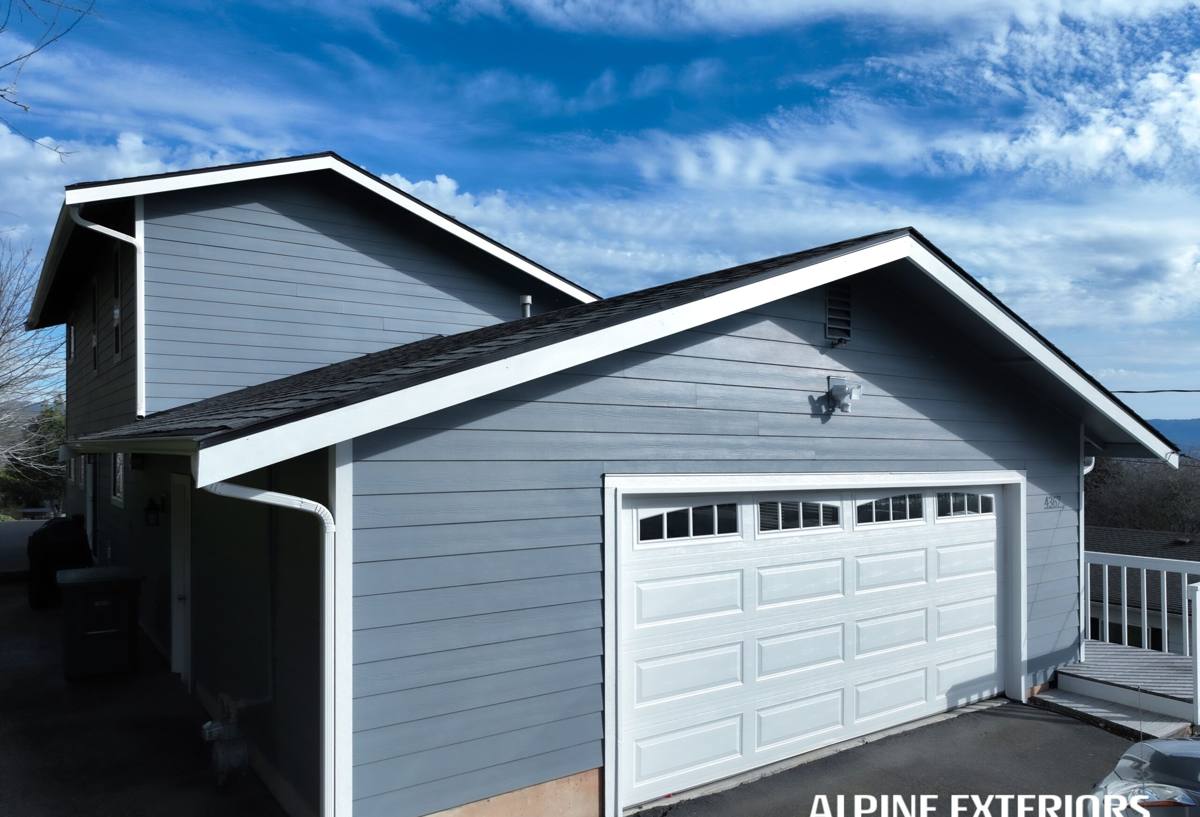
Why Skagit County Weather Is Hard on Roofs
Three conditions do most of the damage to roofs in this part of the county, and they rarely act alone.
Salt Air
Proximity to saltwater accelerates corrosion on exposed metal — nail heads, flashing, vent caps, and gutter hardware all age faster here than they would twenty or thirty miles inland. Corroded fasteners lose their grip on shingles, and corroded flashing develops pinholes that let water in long before the metal looks obviously bad from the ground.
Driving Rain
Rain that comes in sideways during a windstorm behaves differently than a straight-down downpour. It gets pushed up and under shingle edges, into vent boots, and behind step flashing at wall intersections — places that hold up fine in calm rain but leak in a real Skagit County blow. A repair that only addresses the visible gap and ignores wind-driven water paths tends to fail again within a season or two.
Moss Season
Skagit County's combination of shade, moisture, and mild temperatures gives moss a long growing window. Moss doesn't just look bad — it holds water against the roof surface, works its way under shingle tabs as it grows, and lifts edges enough to let wind and rain find a way in. Left unaddressed, a moss mat can turn a minor granule-loss problem into an active leak within a couple of wet seasons.
Signs a Skyline Roof Needs Repair
Most roof problems announce themselves quietly before they become urgent. Homeowners in this area should watch for:
- Dark streaking or green-black patches, especially on north-facing or shaded slopes
- Granules collecting in gutters or at the base of downspouts
- Curling, cupping, or lifted shingle edges, particularly after a windy stretch
- Rusty streaking below metal flashing or vent stacks
- Soft spots or discoloration on ceilings, especially near exterior walls or chimneys
- Daylight visible through the roof deck from inside the attic
- Gutters pulling away from the fascia or overflowing during heavy rain
Any one of these on its own may be minor. Two or three together, especially after a stretch of driving rain, usually means it's time for a closer look before the next storm system moves through.
What a Correct Roof Repair Actually Involves
A repair that holds up in this climate goes further than sealing the obvious gap. Our approach on Skyline homes typically includes:
Finding the Real Entry Point
Water rarely drips straight down from where it enters. It travels along the underlayment or decking before showing up as a stain, sometimes feet away from the actual failure point. We trace the path back to the source rather than patching where the stain appears — patching the wrong spot is the single most common reason a "fixed" leak comes back.
Checking the Decking
Persistent moisture intrusion can soften or rot the wood decking underneath the shingles. If the deck has gone soft, sealing the surface layer won't hold — that section needs to be cut out and replaced before new roofing goes back down. We check for this on every repair rather than assuming the deck is sound.
Flashing First, Shingles Second
Given how much local leak activity traces back to flashing rather than shingle failure, we inspect and, where needed, replace flashing at chimneys, walls, valleys, and vent penetrations as part of the repair — not as an afterthought. Reusing old, corroded flashing under new shingles just resets the clock on the same failure.
Matching Materials Correctly
Shingle color, profile, and even granule composition change over the years. We match as closely as current products allow and are upfront when an exact match isn't possible, rather than leaving a patch that stands out or performs differently than the surrounding roof.
Our Repair Process
- Inspection and diagnosis — We walk the roof (weather permitting) and check the attic from inside, looking for the actual water path, not just the visible symptom.
- Honest assessment — We tell you plainly whether this is a repair, a larger repair, or a sign the roof is nearing the end of its useful life. We don't upsell a replacement when a repair will genuinely hold.
- Written scope and estimate — You get a clear description of what will be done and why, before any work starts.
- The repair itself — Deck check, flashing work, moss and debris clearing, shingle replacement, and sealing, done in the sequence that actually stops water rather than just covering it.
- Final check — We confirm drainage paths are clear and flashing laps correctly before we consider the job done.
Repair vs. Replacement: What Actually Drives the Decision
Not every roof problem in Skyline needs a full replacement, but some do. The factors below are what we actually weigh when giving you an honest recommendation.
| Factor | Leans Toward Repair | Leans Toward Replacement |
|---|---|---|
| Age of roof | Under 15 years, most of shingle life remaining | Nearing or past the material's expected service life |
| Extent of damage | Isolated to one section or penetration | Spread across multiple slopes |
| Decking condition | Solid, no soft spots found | Rot or soft decking in multiple areas |
| Moss history | First occurrence, caught early | Repeated heavy growth despite cleaning |
| Flashing condition | Sound, minor corrosion | Widespread rust or failed seals |
| Granule loss | Light, localized | Heavy and roof-wide |
When a roof falls into the middle — some indicators pointing each way — we'll say so, and lay out what a repair buys you in time versus what replacement would cost, so you can make the call with real information.
Preventing Repeat Problems in a Coastal Climate
A good repair should reduce how often you need the next one. A few habits make a real difference for homes in Skyline and similar parts of Skagit County:
- Clear moss promptly rather than letting it establish through a full wet season
- Keep gutters and downspouts flowing freely, especially before the heaviest fall and winter rain
- Trim back overhanging branches that keep roof sections shaded and slow to dry
- Have flashing checked every few years given how quickly salt air corrodes exposed metal here
- Address small leaks immediately — a slow drip that seems minor in July can undermine decking by the next storm season
- Walk the attic after major windstorms to check for new daylight or fresh staining
Materials and Approach
We work with standard asphalt composition shingles for most repairs, matched to what's already on the roof wherever possible, along with metal flashing sized and formed for the specific detail being repaired rather than generic stock pieces. On roofs where the existing material is a cedar shake or older system with known moisture and maintenance challenges in this climate, we'll walk you through the trade-offs honestly — cedar in a wet, moss-prone coastal environment carries a real ongoing maintenance burden, and we'd rather set that expectation up front than have it be a surprise two years in.
Why a Skyline-Familiar Crew Makes a Difference
Roofing crews that mainly work drier, inland areas sometimes miss the specific failure patterns that show up near the water — the flashing detail that's fine in Wenatchee but undersized for Skagit County wind-driven rain, or the moss growth rate that catches an out-of-area crew off guard on a re-inspection timeline. Working this area regularly means we've seen how these homes age in this specific climate, not a generalized version of Pacific Northwest weather.
It also means straightforward logistics: we're not routing a crew a long distance for a small repair, response times for follow-up questions are realistic, and we're still around locally if a repair needs a warranty check-in down the road.
If you're seeing signs of a roof problem in Skyline — or just want an honest read on where your roof stands before the next wet season sets in — we're happy to take a look. Fill out the form below for a free, no-pressure estimate.