 Skagit County
 Why Mount Vernon Siding Takes a Beating
Mount Vernon sits in the Skagit River valley, low and flat, with damp air moving in off Skagit Bay and the Puget Sound lowlands for much of the year. That combination — salt-tinged air, driving rain that comes in sideways during winter storms, and a moss season that can stretch from fall through spring — is a tough environment for exterior siding. Homes here don't just get wet; they stay wet, for days at a time, with limited drying windows between systems.
Siding that isn't built for this kind of exposure shows it early: swelling at the bottom edges, soft spots around window trim, streaking and moss growth on north-facing walls, and paint that fails years ahead of schedule. If you own a home in Mount Vernon or anywhere else in Skagit County, your siding is working harder than siding on a home in a drier climate, and it needs to be built and installed accordingly.
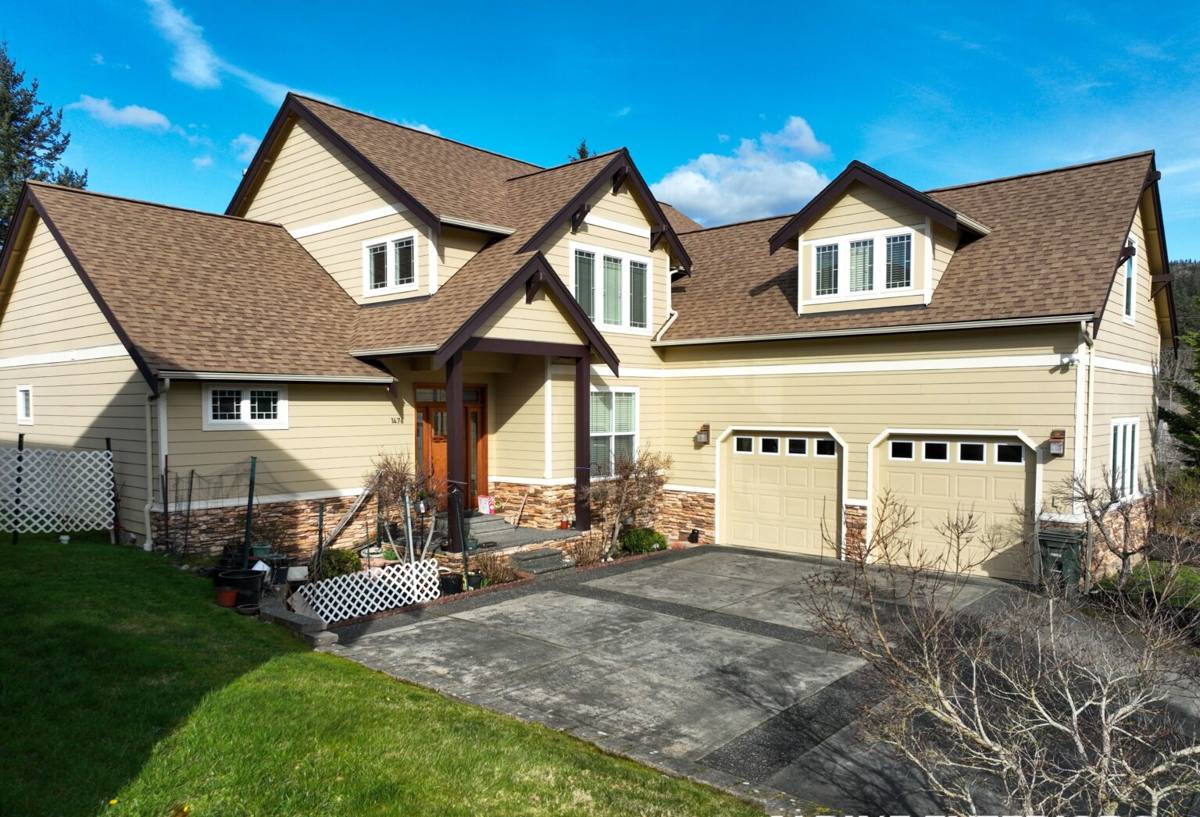
How the Skagit Valley Climate Shows Up on a Home
Moisture That Doesn't Let Up
Wood-based and wood-adjacent siding products absorb moisture at cut edges, seams, and fastener penetrations. In a climate with short, infrequent dry stretches, that moisture doesn't fully evaporate between rain events. Over years, it works into the material, and once a wood-based product starts to swell or delaminate, the damage doesn't reverse — it only gets worse.
Moss, Algae, and Shade
Skagit County's mix of tree cover, valley humidity, and long overcast stretches is close to ideal growing conditions for moss and algae. Shaded walls and north-facing elevations are the first to show green or black staining. Beyond looking bad, moss holds moisture directly against the siding surface, which accelerates whatever underlying damage is already happening.
Salt Air and Coastal Proximity
Being near Skagit Bay and the greater Puget Sound means the air carries salt content that most siding products, fasteners, and finishes weren't designed around. Salt air accelerates corrosion in fasteners and trim hardware and can degrade certain paints and coatings faster than a strictly inland climate would.
Signs a Mount Vernon Home Needs Siding Replacement
- Soft, spongy, or crumbling siding when you press on it, especially near the bottom courses
- Paint that's peeling, bubbling, or needing repainting more often than every 7-10 years
- Persistent moss or algae staining that comes back within a season of cleaning
- Visible gaps, warping, or buckling boards, particularly around windows and corners
- Rising energy bills that suggest the wall assembly behind the siding is no longer doing its job
- Interior signs — musty smells, peeling interior paint, or stains on walls that share an exterior wall
What a Correct Siding Replacement Actually Involves
Replacing siding is not just swapping old boards for new ones. Done correctly in a climate like Skagit County's, it's a system:
Tear-Off and Inspection
Old siding comes off down to the sheathing, which gets inspected for rot, soft spots, or prior water damage. This is the point where problems that have been hidden for years finally get found and addressed — skipping this step just seals existing damage back up behind new material.
Weather-Resistive Barrier
A proper water-resistive barrier (house wrap) goes on correctly lapped, taped, and integrated with window and door flashing so water is directed out and down, not trapped behind the siding. In a climate with as much rain exposure as Mount Vernon gets, this layer matters as much as the siding itself.
Flashing and Trim Details
Windows, doors, roof-to-wall intersections, and deck ledgers are common points of water entry if flashed incorrectly. Correct kick-out flashing, head flashing, and trim sealing at these transitions is what actually keeps water out — the siding is the visible layer, but the flashing details underneath do the real work.
Fastening and Installation to Spec
Every siding product has a manufacturer-specified nailing pattern, fastener type, and clearance requirements (from grade, from roof lines, at butt joints). Installing outside those specs is one of the most common reasons siding fails early and voids the manufacturer's warranty.
Why We Install Only James Hardie Fiber Cement
We don't install LP SmartSide, vinyl, Cemplank, Allura, primed spruce, or cedar. That's a deliberate standard, not a lack of options. In a climate that punishes wood-based products and stresses lesser fiber cement finishes, we've concluded that James Hardie fiber cement is the product that consistently holds up when installed correctly:
- Non-combustible material — fiber cement doesn't feed a fire the way wood-based products can
- Engineered for moisture — fiber cement resists the swelling, rot, and delamination that plague wood and wood-composite sidings in wet climates
- ColorPlus factory finish — a baked-on finish that resists fading and chipping better than field-applied paint, which matters when repainting means scaffolding and labor costs down the road
- Climate-engineered HZ product lines — Hardie manufactures different formulations for different climate zones, and the Pacific Northwest falls under a moisture-focused HZ5 specification
- A strong, transferable warranty — backed by decades of the product being installed and tracked in wet climates similar to ours
We're honest that fiber cement isn't the cheapest material up front and that it's heavier and more labor-intensive to install correctly than vinyl or engineered wood. But for a Skagit Valley home that's going to face decades of Pacific Northwest winters, we think that trade-off is worth it — and it's why we've standardized on it rather than offering a menu of products with very different long-term outcomes.
Choosing the Right Hardie Line for This Climate
| Hardie Product | Best Use | Why It Fits Skagit County |
|---|---|---|
| HardiePlank lap siding | Most homes, classic horizontal profile | Widest range of ColorPlus finishes and textures; proven in wet coastal climates |
| HardieShingle | Accent areas, gables, craftsman-style homes | Shingle look without the moisture vulnerability of cedar shakes |
| HardiePanel vertical siding | Modern facades, accent walls | Clean lines with the same moisture and fire performance as lap siding |
| HardieTrim | Window, door, and corner trim | Matches the siding's moisture resistance so trim doesn't become the weak point |
All of these are manufactured under Hardie's HZ5 specification for our climate zone, which accounts for the moisture exposure a home in Mount Vernon actually experiences rather than a generic national average.
What Drives the Cost of a Siding Replacement
| Cost Factor | Why It Matters |
|---|---|
| Home size and wall area | More square footage means more material and labor hours |
| Tear-off complexity | Multiple layers of old siding or extensive rot repair adds time |
| Sheathing and structural repair | Damage found during tear-off has to be fixed before new siding goes on |
| Product line and profile | Lap, shingle, and panel siding have different material and labor costs |
| Trim and detail work | Homes with more windows, corners, and rooflines require more precise flashing and trim |
| Accessibility | Multi-story homes, steep grades, or tight lot lines affect staging and labor time |
We won't quote a number without seeing the home, but we're upfront that fiber cement installed to spec costs more than a stripped-down vinyl job — and we'll explain exactly where that cost goes.
Our Process, Start to Finish
- Walkthrough and assessment — we look at your current siding, trim, and any visible moisture issues before quoting
- Written estimate — a clear scope of work, product selection, and cost breakdown, no pressure to sign on the spot
- Tear-off and sheathing inspection — old material comes off and we address anything found underneath before moving forward
- Weather barrier and flashing installation — the part that determines whether your walls stay dry for the next 30-50 years
- Hardie siding installation to manufacturer spec — correct fastening, clearances, and joint treatment
- Final walkthrough — we go over the finished work with you before calling the job done
Why Local Experience in Mount Vernon Matters
A crew that already works Skagit County homes knows what to expect before they pull the first board: how much moisture is typically hiding behind older siding on a valley home, which trim and flashing details tend to fail first in this climate, and how to sequence a job around our wet-season weather windows. That's different from a crew that mainly works drier inland climates and treats every job the same way.
It also means accountability. A contractor who works Mount Vernon regularly has a reputation to protect in this community — that's a real incentive to get the flashing right the first time, not just to get the visible siding up and move on.
Questions to Ask Before You Hire
- Will you inspect and repair sheathing before installing new siding, or just cover what's there?
- What weather-resistive barrier and flashing details will you use around windows and doors?
- Are you installing to the manufacturer's specified nailing pattern and clearances?
- What does the product warranty cover, and does incorrect installation void it?
- Can you walk me through why you recommend this specific siding product for my home?
If your Mount Vernon home's siding is showing its age, or you're planning ahead before the next wet season sets in, we're happy to take a look and give you a straightforward, no-pressure estimate. Use the form below to get started.