 Skagit County
 Deck Building in Lyman, Washington
Lyman sits along the Skagit River corridor, in the part of Skagit County where thick tree cover, river moisture, and a long wet season all work against outdoor structures. A deck built here does a different job than a deck built on the dry side of the state. It has to shed water fast, resist standing moisture in shaded corners, and keep going through months of drizzle without turning the boards green or the fasteners rusty. We build decks for this specific set of conditions, not a generic deck that happens to be installed here.
This page covers what a deck actually needs to survive and perform well in Lyman's climate, what a correct build looks like from the ground up, and how we run the job from first call to final walkthrough. If you're planning a new deck, or replacing one that's failing after a decade of Skagit County weather, this is the detail that matters before you sign anything.
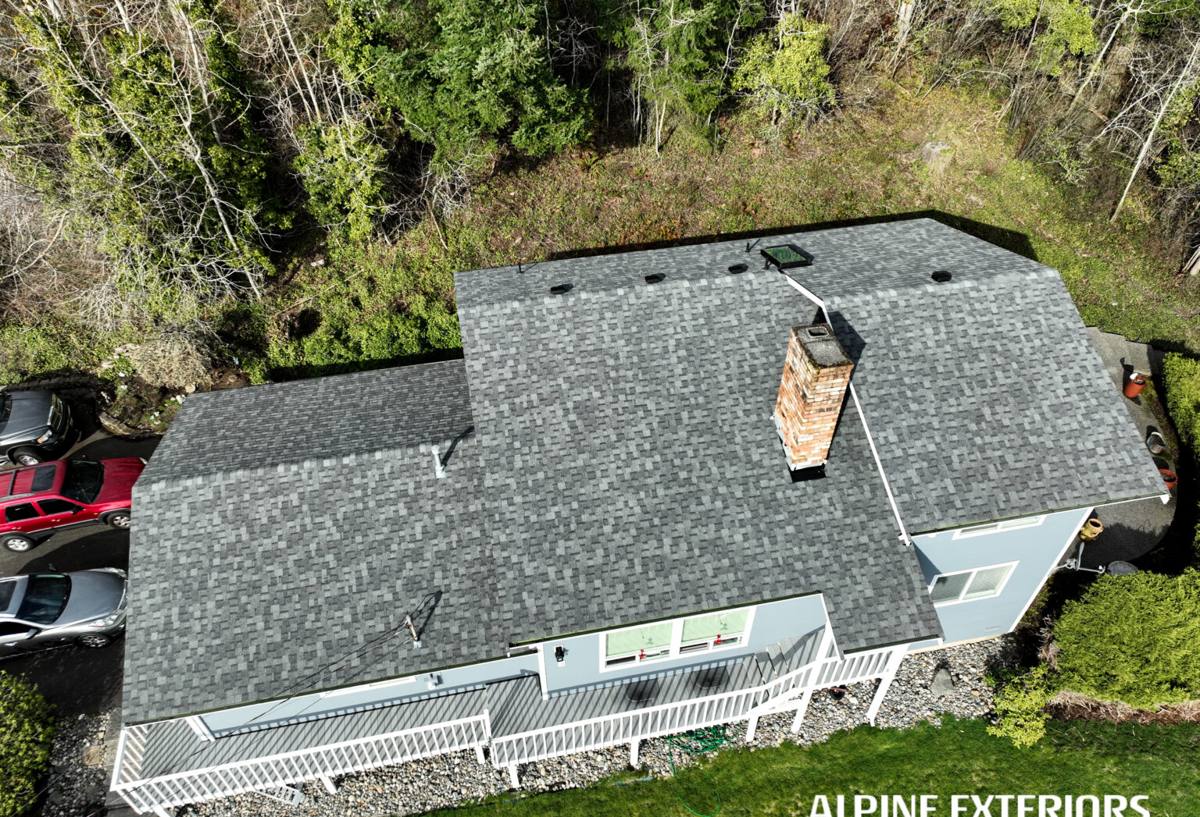
What Lyman's Climate Does to a Deck
Skagit County gets a long, wet fall-through-spring stretch, and Lyman's riverside, tree-shaded lots hold onto that moisture longer than open, sunny sites do. Add in the driving rain that comes through on windy fronts, and moss that gets a running start every year it isn't knocked back, and you've got three separate stresses working on a deck at once.
Moisture that doesn't dry out
Shade from surrounding trees is common on Lyman lots, which is great for comfort in summer and bad for a deck that never fully dries between rains. Wood that stays damp for days at a time is where rot gets its start — especially where boards touch framing, around post bases, and at any spot where two pieces of wood meet and trap water between them.
Driving rain and wind-blown moisture
Rain in this region doesn't always fall straight down. Wind-driven rain gets pushed sideways into ledger connections, under poorly flashed rim joists, and into any gap where a builder assumed water would just run off. A deck that looks fine in a light shower can still be taking on water at every joint during a real Pacific storm.
Moss and organic buildup
A long moss season means organic growth gets a foothold on decking, railings, and stair treads if the surface holds any moisture at all. Beyond the slip hazard, moss and algae hold water against the wood surface, which accelerates the exact rot problem the framing is already fighting from underneath.
Salt air's slower, quieter damage
Skagit County's proximity to salt water means fasteners, brackets, and any exposed metal hardware are working against corrosion from day one, not just after a few years. Cheap or mismatched hardware corrodes faster than the wood around it fails — and once a fastener lets go, the connection it was holding is compromised even if the lumber still looks sound.
What a Correct Deck Build Includes
None of the problems above are exotic. They're well understood, and there are established ways to build around every one of them. The issue is that a deck can look complete without any of this having been done — it just fails a few years sooner than it should have.
Ledger attachment and flashing
Where the deck ties into the house is the single most important connection on the whole structure, and it's also the spot most exposed to wind-driven rain running down the wall. Proper flashing — installed so water sheds over it and away from the house, not behind it — is non-negotiable. This is also a structural connection, not just a weatherproofing detail; it has to be fastened correctly to actually hold the deck's load.
Joist and beam spacing for real loads
Framing sized for furniture, foot traffic, hot tubs, or anything beyond a bare platform needs to be engineered for that load, not just built to whatever spacing looks close enough. Undersized framing shows up later as bounce, sag, or squeaking — none of which show up on day one.
Post bases and ground contact
Posts that sit in standing water or direct soil contact rot from the bottom up, often invisibly, since the damage starts below where anyone looks. Post bases that hold the wood up off the concrete, paired with footings set below frost depth and clear of drainage paths, keep that failure from starting in the first place.
Fasteners and hardware matched to the lumber
Coated or stainless fasteners rated for ground contact and treated lumber are the standard here, not an upgrade. Mismatched metal — the wrong coating against treated lumber, for example — can actually accelerate corrosion rather than prevent it. In a salt-air environment, this detail either adds years to the hardware's life or takes them away.
Decking material and drainage gaps
Every decking material — pressure-treated lumber, cedar, or composite — needs the gap between boards sized correctly so water actually drains through instead of sitting on the surface. Too tight, and the deck holds water and grows moss faster; too wide, and you get a different set of problems. This is a small detail that has an outsized effect on how the deck ages.
Choosing a Decking Material for Lyman Conditions
There's no single right answer here — it depends on budget, how much upkeep you want to take on, and how much shade the site gets. Here's how the common options actually compare under Skagit County's wet, shaded, moss-prone conditions:
| Material | Moisture behavior | Moss/algae resistance | Maintenance |
|---|---|---|---|
| Pressure-treated lumber | Resists rot when detailed correctly; needs to dry between rains | Low — needs regular cleaning | Annual cleaning, periodic re-sealing |
| Cedar | Naturally decay-resistant, but surface still holds moisture in shade | Low to moderate | Regular sealing to hold color and resist moisture |
| Composite decking | Doesn't absorb water into the board itself | Moderate — surface can still host algae in constant shade | Low — occasional washing |
Composite costs more upfront and holds up with the least ongoing work in shaded, damp spots. Pressure-treated lumber is the budget-friendly option but asks more of the homeowner in cleaning and re-sealing to get a full lifespan out of it. Cedar sits in between — it looks the part but still needs real upkeep in a climate like this one. We'll walk through the honest trade-offs for your specific site rather than pushing one material across the board.
Maintenance That Actually Matters Here
A well-built deck in Lyman still needs some seasonal attention — the climate doesn't let anything coast. The good news is the list is short and manageable if you stay ahead of it:
- Clear leaves, needles, and debris from between boards and against the house before fall rains set in
- Wash down moss and algae buildup at least once a year, more often in heavily shaded areas
- Check and re-seal or re-stain wood decking on the schedule the product actually calls for, not "when it looks bad"
- Look at ledger flashing and any spot where the deck meets the house for signs of water staining
- Inspect post bases and framing from underneath once a year for soft spots, rust streaks, or standing water
- Keep gutters and downspouts near the deck clear so roof runoff isn't dumping extra water onto the structure
None of this is a huge time investment, but skipping it is exactly how a well-built deck ends up looking like a poorly built one ten years in.
Our Process for a Lyman Deck Project
We keep the process straightforward because there's no reason to make it complicated:
- On-site assessment — we look at the actual site: sun exposure, shade pattern, drainage, and how the deck ties into the house, since these details drive real design decisions.
- Honest material and design conversation — we walk through the trade-offs above in the context of your budget and how much maintenance you actually want to take on.
- Permitting — decks tied to the house or built above a certain height typically require a permit through the county; we handle that process as part of the job.
- Framing and structural work — ledger flashing, footings, post bases, and joist framing built to the loads the deck will actually see, not the minimum that passes inspection.
- Decking, railing, and finish work — installed with proper drainage gaps and fastener choices matched to the material.
- Final walkthrough — we go over the finished deck with you, including what maintenance schedule will actually keep it looking and performing well.
Why a Crew That Already Works Lyman Matters
The failure points on a Skagit County deck aren't a mystery, but they're also easy to miss if you're not building here regularly. A crew that works this area knows which details actually matter for this climate — the flashing detail at the ledger, the fastener spec that holds up against salt air, the drainage gap that keeps moss from taking over a shaded deck by its second summer. That's not something you get from a crew that mostly builds in a drier part of the state and treats Skagit County as just another job site.
It also means we're not guessing at permitting requirements or inspection expectations for the area — we've been through that process here before, which keeps the job moving instead of stalling on paperwork.
Repairing or Replacing an Existing Deck
If you're dealing with an older deck rather than starting from scratch, the questions are a little different: is the framing still sound underneath, or has moisture damage gone past the point of a surface fix? A deck that looks rough on top but has solid framing underneath might only need new decking boards and hardware. One with soft spots at the ledger, post bases, or joists usually means a rebuild is the more honest recommendation, even if it's not what anyone wants to hear. We'll always tell you which situation you're actually in before recommending a full replacement.
Get a Straight Answer on Your Deck
Every Lyman property is a little different — shade, slope, how close you are to the river, what the existing structure looks like underneath. If you're thinking about a new deck or wondering whether your current one is still sound, we're happy to come take a look and give you a straightforward, no-pressure estimate. Use the form below to get started.