 Skagit County
 Windows Built for Edison's Marine Climate
Edison sits close enough to Samish Bay and the surrounding tidal flats that the air itself is part of the building envelope. Salt-laden moisture, near-constant humidity, and long stretches of low winter sun combine to put more stress on window assemblies here than in drier inland parts of Skagit County. A window that performs fine in a dry climate can fail years early in Edison if it wasn't installed with this specific environment in mind. That's the difference between a window that just gets bolted into an opening and one that's actually installed correctly for where it sits.
This page is about one job, done right, in one place: window installation for homes in and around Edison. Not a general window sales pitch — a straight explanation of what this climate does to windows, what a correct installation actually involves, and how to tell a good job from one that will leak in three years.
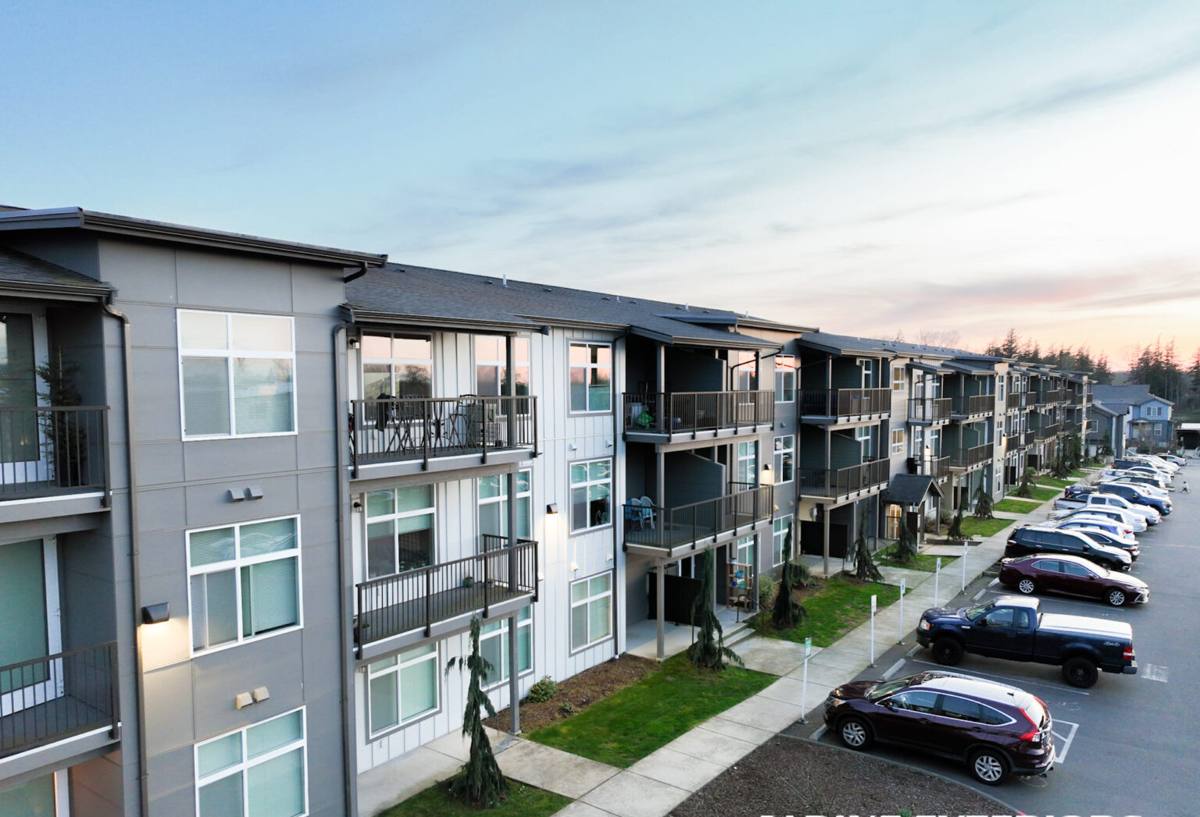
What Salt Air, Rain, and Moss Do to Windows Here
Three things define window wear in this part of Skagit County, and each one attacks a different part of the window system.
Salt Air and Corrosion
Airborne salt from the bay accelerates corrosion on any exposed metal — hinges, cranks, screws, and especially aluminum frames or cladding that isn't rated for marine exposure. Corrosion doesn't just look bad; it seizes hardware, breaks seals, and eventually lets water find its way behind the frame.
Driving Rain
Skagit County storms often come with wind-driven rain hitting windows at an angle rather than straight down. That means water gets pushed sideways and upward into gaps that a vertical-rain climate would never test. Flashing details and sill drainage that would be adequate elsewhere aren't always enough here.
Long Moss Season
Extended damp, shaded conditions — especially on north-facing walls and under eaves — grow moss and algae on siding, trim, and window sills. Moss holds moisture against wood trim and caulked joints far longer than open air would, which slowly breaks down sealants and invites rot at the exact points where a window meets the wall.
Signs an Edison Home Needs New Windows or a Reinstall
- Soft or discolored wood trim around the window frame, especially at the bottom corners
- Visible moss or dark streaking building up on the sill or exterior casing
- Fogging or moisture trapped between panes of double-glazed units
- Drafts you can feel near the frame even with the window fully latched
- Hardware — locks, cranks, hinges — that's stiff, corroded, or won't stay latched
- Visible gaps or cracked caulk between the window frame and the siding or trim
- Condensation forming on the inside of the glass regularly during winter
Any one of these can be a minor fix. Several at once, especially combined with soft trim, usually means water has been getting behind the window for a while.
What a Correct Window Installation Actually Involves
A window installation is really a water-management job that happens to include a window. The unit itself matters less than how it's tied into the wall around it. In a climate like Edison's, skipping any of these steps is what leads to callbacks years later.
Removal Without Damage
The old window and any surrounding damaged trim or sheathing need to come out cleanly, with the opening inspected for rot or moisture damage before anything new goes in. Installing a new window over hidden rot just buys a few years before the same problem resurfaces.
Flashing, Not Just Caulk
Proper flashing — sill pan, side flashing, and head flashing integrated with the house wrap or building paper in the right shingle-lap order — is what actually keeps driving rain out. Caulk is a backup, not the primary defense. A window sealed mostly with caulk around the outside is the single most common shortcut we see behind failed installs in this area.
Sill Pan Drainage
Because wind-driven rain here can push water sideways into the frame, the sill pan needs a real drainage path to the exterior, not just a flat surface that hopes water runs downhill. Any water that gets behind the window has to have somewhere to go.
Insulation and Air Sealing
The gap between the window frame and the rough opening needs to be insulated and air-sealed with a material that stays flexible — not packed rigid, which can bow the frame, and not left open, which lets moist air condense inside the wall cavity.
Corrosion-Resistant Hardware
Fasteners and hardware exposed to salt air should be corrosion-resistant grade, not standard interior-rated hardware. It costs a little more up front and saves a seized crank or rusted hinge a few winters later.
Frame Material Options for This Climate
Every frame material has trade-offs. In a salt-air, high-moisture environment, some of those trade-offs matter more than they would inland.
| Material | How It Handles This Climate | Maintenance |
|---|---|---|
| Vinyl | Won't rust or rot; handles moisture well; can flex slightly in temperature swings | Low — occasional cleaning of tracks and weep holes |
| Fiberglass | Very stable in wet/dry cycling, strong resistance to warping and moisture damage | Low — durable finish, infrequent upkeep |
| Wood (clad exterior) | Warm appearance, but exterior cladding must be intact to protect the wood core from moss and moisture | Higher — watch caulk lines and cladding seams |
| Aluminum (non-marine grade) | Prone to corrosion and pitting in salt air unless specifically rated for coastal use | Higher — hardware and finish need monitoring |
We don't push one material as universally "best" — the right choice depends on your home's exposure, your budget, and how much upkeep you want to take on. What we won't do is install a product in a location where its known weaknesses line up directly with this climate's worst conditions, without being upfront with you about that trade-off first.
Our Installation Process, Step by Step
- On-site assessment — we look at existing window condition, trim and sheathing for hidden rot, and the specific exposure of each wall (north-facing, wind-facing, etc.)
- Honest scope and estimate — what needs replacing, what doesn't, and why
- Careful removal — old units and any compromised trim or sheathing come out without damaging sound framing
- Opening inspection and repair — any rot or moisture damage gets addressed before the new window goes in, not covered over
- Flashing and sill pan installation — built for driving rain, not just vertical rainfall
- Window setting, leveling, and shimming — for a square, properly operating unit
- Insulation and air sealing around the frame perimeter
- Exterior trim, caulking, and finish work matched to your home's existing details
- Final function check — every window opens, closes, and locks the way it should before we call the job done
What Affects the Cost of a Window Installation in Edison
| Factor | Why It Matters Here |
|---|---|
| Number of windows and wall exposure | Wind- and rain-facing walls often need more careful flashing work |
| Hidden rot or sheathing damage | Common in older Skagit County homes with long-term moss or moisture exposure; adds repair time before installation |
| Frame material chosen | Vinyl and fiberglass typically cost less upfront than clad-wood; maintenance costs differ over time |
| Trim and siding tie-in | Matching existing trim profiles or repairing surrounding siding adds labor |
| Access and home layout | Second-story or hard-to-reach windows take more time and equipment |
We don't quote a flat per-window price over the phone, because the condition behind the trim matters as much as the window itself. What we can promise is a clear, itemized estimate after we've actually looked at your home — no surprise charges added mid-job for problems we should have caught up front.
Questions Worth Asking Before You Hire
- Do you flash and pan every window, or rely mainly on caulk?
- Will you inspect the rough opening for rot before installing, and what happens if you find it?
- What hardware grade do you use for coastal/salt-air exposure?
- Do you carry liability insurance and are you licensed to work in Washington?
- Can you walk me through your process before I sign anything?
- What's your plan for disposing of old windows and job-site debris?
A contractor who answers these clearly and specifically, without hedging, is generally one who's done this enough times to know exactly why each step matters.
Why a Crew That Already Works Edison Matters
Window installation isn't a one-size-fits-all trade. A crew that regularly works Skagit County's coastal areas already knows which walls in a given orientation take the worst of the driving rain, which older homes in this area tend to have moisture damage hiding behind trim, and which hardware and sealant choices hold up against salt air instead of just looking fine on install day. That local pattern recognition is the difference between a crew that's guessing and one that's seen the same failure modes enough times to build around them from the start.
It also means straightforward accountability. A local crew is easy to reach if a question comes up after the job, and has a reputation in the community worth protecting — not a one-time job from out of the area.
Living With Windows in This Climate After Installation
A correctly installed window still benefits from a little seasonal attention in a moss-prone, salt-air environment:
- Rinse salt residue and moss buildup off frames and sills a couple of times a year, especially on north-facing or shaded walls
- Check weep holes and drainage paths periodically to make sure they aren't clogged with debris or moss
- Keep an eye on caulk lines at the frame-to-trim joint and touch up before gaps open up
- Lubricate hardware occasionally if it starts to feel stiff — a sign salt air is starting to affect the mechanism
None of this is heavy maintenance, but skipping it entirely is how small issues turn into trim replacement a few years down the line.
Get a Straight Answer About Your Windows
If you're dealing with drafty, foggy, or moss-lined windows on your Edison home, we're happy to come take a look and give you a clear, no-pressure estimate — what actually needs doing, what doesn't, and why. Use the form below to get started.