 Skagit County
 Building Decks That Hold Up in Clear Lake
Clear Lake sits in a part of Skagit County where a deck earns its keep almost every day of the year — as a place to sit out during the dry stretch of summer, and as an extension of the house the rest of the time. That second part is where most decks in this area actually fail. It's not the sunny days that wear out a deck here; it's the eight or nine months of damp shade, driving rain off the lake and the surrounding tree cover, and a moss season that seems to start earlier every year. A deck built without that in mind will look fine for a season or two and then start showing soft spots, black streaking, and slick, mossy boards right where people walk.
We build and repair decks specifically for this climate — not a generic deck plan pulled from a catalog, but one that accounts for how water moves across a Skagit County property, how much shade a lot actually gets, and what happens to different materials after a few winters of standing moisture.
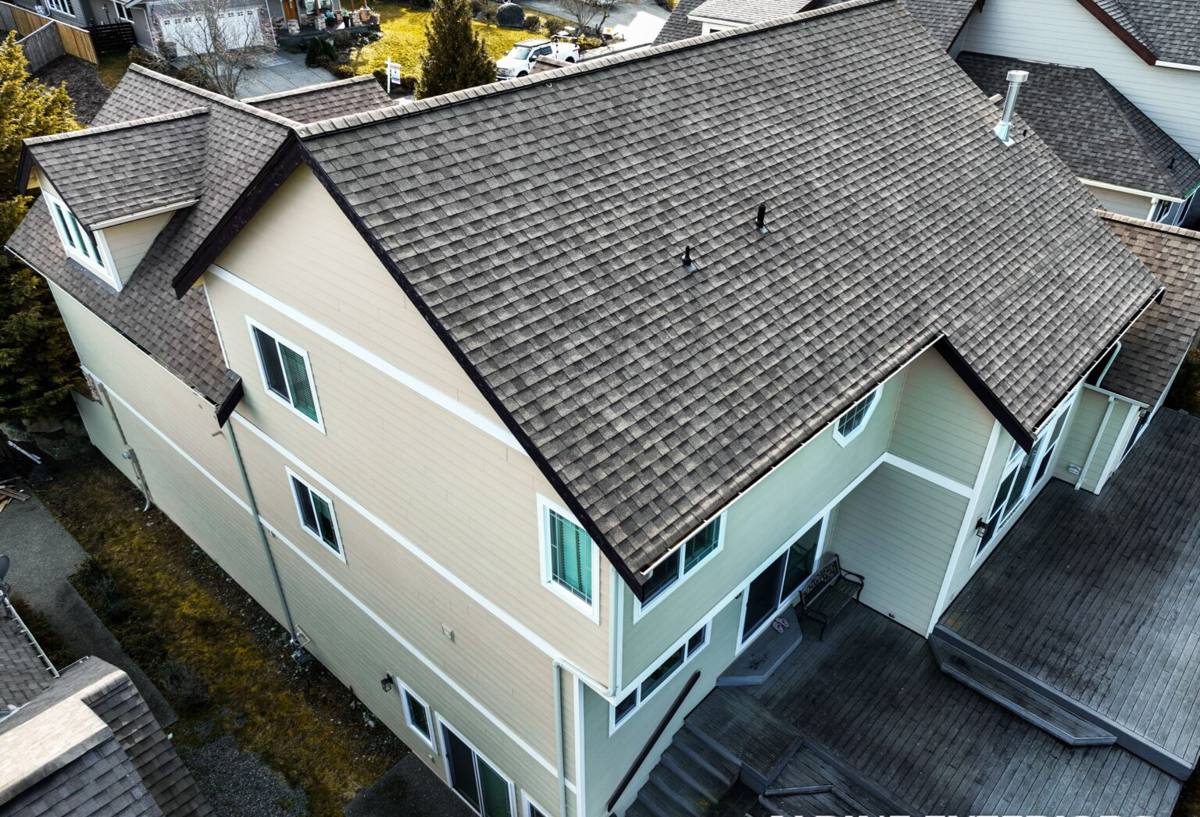
What Clear Lake's Climate Does to a Deck
A few things make decking in this part of Skagit County harder than it looks on paper:
- Salt-tinged air off the water: Metal fasteners, brackets, and hardware corrode faster near the lake than they would inland. Cheap or mismatched hardware shows rust within a couple of seasons.
- Driving rain: Rain here doesn't just fall straight down — wind pushes it sideways under railings, into ledger connections, and along the underside of boards. Flashing and gapping details matter more than they would in a drier climate.
- Long moss and algae season: Shaded, damp decking grows moss and algae readily, especially on the north side of a house or under tree canopy. Moss holds moisture against the board surface and turns walking surfaces slippery.
- Slow drying time: Between rain events, decking in shaded Skagit County yards may simply never fully dry out for weeks. Materials and fastening methods that rely on periodic drying to stay sound don't get that chance here.
None of this means a deck can't last decades in Clear Lake — it means the build has to account for water from the start, not fight it after the fact.
Getting the Structure Right
Footings and Framing
Everything above the frame depends on what's underneath it. In wetter yards around Clear Lake we pay close attention to footing depth, drainage around posts, and keeping structural framing lumber pressure-treated and properly rated for ground contact where it's called for. A deck that looks solid but was framed with the wrong-grade lumber, or set on footings that were poured without accounting for how the yard actually drains, is a deck that will move, squeak, or rot from the inside out — usually in places you can't see until it's a real problem.
The Ledger Connection
The ledger board — where the deck attaches to the house — is the single most common failure point on decks in wet climates, and it's almost always hidden behind the decking itself. Done correctly, it includes proper flashing that sheds water away from the house framing, not just a board bolted to the siding. We treat this connection as a waterproofing detail first and a structural connection second, because a failure here can damage the house, not just the deck.
Fasteners and Hardware
Given the salt air off Clear Lake, we use corrosion-resistant, code-rated hardware and fasteners rated for treated lumber and coastal-adjacent exposure. Mixing incompatible metals — for example, the wrong fastener with certain treated lumber chemicals — accelerates corrosion and is a common shortcut we don't take.
Choosing the Right Decking Material
There's no single "best" decking material for every Clear Lake property — it depends on how much shade the deck gets, how much upkeep the homeowner wants to do, and budget. Here's how the common options actually perform in this climate:
| Material | Moss/Algae Resistance | Maintenance | Typical Lifespan Here |
|---|---|---|---|
| Pressure-treated wood | Low — needs regular cleaning and sealing | Annual cleaning, re-sealing every 1-2 years | 10-15 years with upkeep |
| Cedar | Moderate — natural oils help, but shaded areas still grow moss | Periodic cleaning and oil/stain refresh | 15-20 years with upkeep |
| Composite decking | Higher, but not immune — shaded, unwashed composite still grows surface algae | Low — occasional washing | 25-30+ years |
| PVC/capped polymer decking | Highest of common options | Low — occasional washing | 25-30+ years |
We don't push one product on every job. We'll walk a homeowner through what their specific lot — how much sun it gets, how close it is to the lake, how much shade the surrounding trees throw — actually means for each option, including the honest maintenance commitment involved. A composite deck under heavy tree cover still needs to be washed off periodically; it just doesn't need re-staining.
Drainage and Airflow Under the Deck
This is the part homeowners rarely think about and contractors sometimes skip. A deck that traps moisture underneath — because of poor grading, blocked airflow, or skirting installed without ventilation gaps — will develop rot and mold in the framing long before the visible decking shows a problem. In Clear Lake's wetter yards, we grade and gap for airflow underneath the structure and avoid sealing the underside off completely, so the frame gets a chance to dry between storms instead of sitting damp for months at a time.
Railings, Stairs, and Code
Railing height, baluster spacing, and stair geometry are governed by Washington state building code, and inspectors in Skagit County check this closely on permitted deck work. Beyond code minimums, we pay attention to how railing posts are anchored — a common failure point — and use hardware suited to the same coastal-adjacent exposure as the rest of the structure. A railing that looks fine but was lag-bolted into rim joist without blocking is a safety issue waiting to surface.
Our Process for a Clear Lake Deck Project
- On-site assessment: We look at sun/shade exposure, drainage patterns on the lot, proximity to the lake, and the condition of any existing structure being replaced or built onto.
- Material and design conversation: Based on that assessment, we talk through decking material options, railing style, and layout — with honest tradeoffs on cost, maintenance, and lifespan.
- Permitting: Most new decks and significant deck rebuilds in Skagit County require a permit. We handle that process rather than leaving it to the homeowner.
- Framing and structural work: Footings, framing, and the ledger connection get built and flashed correctly before any decking goes down.
- Decking, railing, and stairs: Installed with attention to fastener spacing, board gapping for drainage, and code-compliant railings.
- Final walkthrough: We go over the finished deck with the homeowner, including what maintenance (if any) the chosen material needs going forward.
Signs an Existing Deck Needs Attention
If you're not sure whether your current deck is a repair job or a replacement, a few things are worth checking before the next wet season:
- Soft, spongy spots underfoot, especially near the house connection
- Persistent moss or algae that comes back within weeks of cleaning
- Rust streaking around fasteners or brackets
- Gaps or movement where the railing posts meet the deck frame
- Standing water or slow drainage after rain instead of water shedding off the surface
- Visible daylight or gaps at the ledger board where it meets the house
Any of these can usually be inspected in a single visit, and it's often cheaper to address a framing or drainage issue early than to wait until it's affected the decking or the house itself.
Why Hire a Crew That Already Works This Area
A deck built to a generic spec sheet can look identical to one built for Clear Lake's actual conditions — until a few winters go by. Crews who don't regularly work in this part of Skagit County sometimes underestimate how much shade, moss, and driving rain a lot near the lake really gets, and build to a drier-climate standard by default. We work decks in this area regularly, which means we're not guessing at how a given lot drains, how much moss pressure a north-facing deck will see, or which hardware holds up near the water. That local pattern recognition is a big part of what separates a deck that needs real attention in five years from one that's still solid in twenty.
Get a Straightforward Estimate
If you're planning a new deck, replacing an old one, or just want an honest read on whether yours needs repair, we're happy to take a look. Fill out the form below for a free, no-pressure estimate — we'll walk the site, talk through your options, and give you a straight answer, not a sales pitch.