 Skagit County
 Conway's Climate Is Harder on Siding Than It Looks
Conway sits low in the Skagit River delta, close enough to Skagit Bay and the estuary that salt-laden air is a regular visitor, not an occasional one. Add Skagit County's long, wet winters and the deep shade thrown by mature trees and riverside vegetation, and you get a stretch of the calendar — often five or six months — where north- and east-facing walls simply don't dry out between rain events. That combination of salt air, driving rain, and a genuinely long moss season is exactly the kind of environment that separates siding that looks fine in a showroom from siding that holds up on an actual Conway home.
None of this is exotic weather. It's the same lowland Skagit County pattern that shows up from Conway through Mount Vernon and out toward the coast. But it does mean the siding decision matters more here than it would in a drier inland climate, and it means installation details that get glossed over elsewhere can't be skipped.
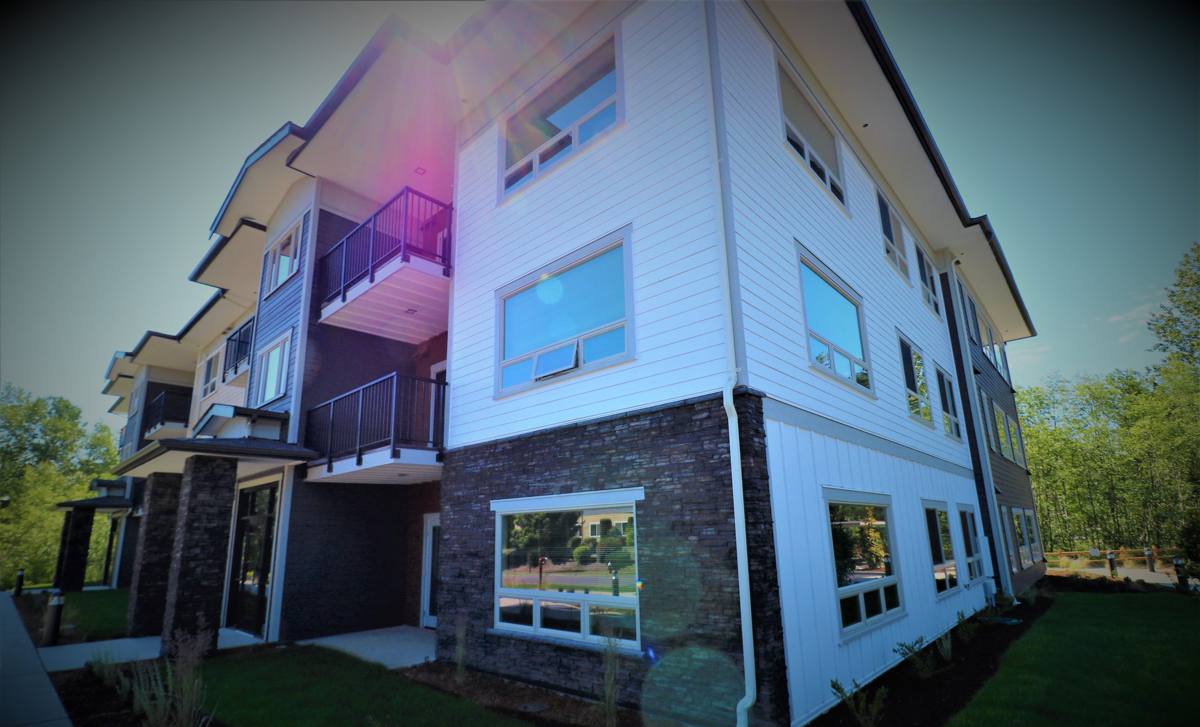
What Conway Homes Actually Need From Their Siding
Moisture Tolerance, Not Just Water Resistance
A lot of siding products are rated to shed bulk water. Fewer are built to tolerate the kind of prolonged, low-level dampness that settles into shaded exterior walls near the delta and just sits there for days. Siding that swells, delaminates, or wicks moisture at the edges under that kind of exposure is a slow-motion problem — it won't fail in year one, but it will fail well short of its expected life.
Color and Surface Stability in Salt Air
Airborne salt accelerates fading and breaks down paint film faster than it would further inland. A finish that needs repainting every several years in a coastal-adjacent microclimate turns into a recurring maintenance bill, not a one-time install cost.
Resistance to Moss, Algae, and Mildew Staining
Shade plus moisture plus a long, mild winter is a recipe for green and black staining on siding, especially on north walls and under eaves. Some siding materials give moss and algae something to grip and feed on — porous surfaces, absorbent substrates, seams that trap organic debris. Others shed it far more easily.
Why We Install Only James Hardie
We standardized on James Hardie fiber cement siding and don't install vinyl, LP SmartSide, Cemplank, Allura, primed spruce, or cedar. That's not a marketing position — it's a professional standard we hold ourselves to because of what we've seen play out on homes in this exact climate over time.
Non-Combustible Fiber Cement
James Hardie siding is fiber cement — it doesn't burn, char, or contribute fuel to a fire the way wood-based and some engineered wood products can. That's a meaningful difference in wildfire-adjacent seasons and simply a sound baseline for a home's exterior regardless of season.
Engineered for This Climate Zone
James Hardie manufactures its HardieZone product formulations for specific climate categories. Western Washington, including Skagit County, falls into the HZ5 zone — the line engineered for wetter, milder, moisture-heavy climates rather than the wide temperature swings of the interior. That's not a generic siding shipped to every region; it's formulated with our actual weather in mind.
ColorPlus Factory Finish
Rather than field-painted color that starts breaking down against salt air and UV almost immediately, ColorPlus is a baked-on, factory-applied finish designed to hold color and resist fading far longer than a job-site paint job. Less repainting is less maintenance and less scaffolding back on the house every few years.
A Warranty Backed by the Manufacturer
James Hardie backs its siding with a long-term, transferable limited warranty. That transferability matters in a delta community like Conway where homes do change hands — new owners inherit real coverage, not just a contractor's word.
How Fiber Cement Compares for This Climate
| Factor | James Hardie Fiber Cement | Vinyl | Cedar | LP SmartSide |
|---|---|---|---|---|
| Moisture/rot resistance | High — cement-based, doesn't rot | High but can warp/buckle | Moderate — needs consistent sealing | Moderate — engineered wood core is moisture-sensitive |
| Salt air & UV fade resistance | Strong with ColorPlus finish | Fades and becomes brittle over time | Grays and weathers, needs refinishing | Field-paint or factory finish, similar upkeep to paint |
| Moss/algae resistance | Sheds moisture well, cleans easily | Can trap moisture at seams/laps | Absorbs moisture, feeds growth | Wood-based surface can be more hospitable to growth |
| Fire performance | Non-combustible | Melts/deforms under heat | Combustible | Combustible (wood-based) |
| Long-term maintenance | Low — occasional wash, caulk checks | Low but limited repair options | Higher — recurring sealing/staining | Moderate — paint upkeep and edge sealing |
We're not going to claim any of these alternative products is junk — vinyl, cedar, and engineered wood siding all have legitimate uses. But given what Conway's mix of salt air, sustained rain, and moss exposure does over a decade or two, we've made the call that fiber cement is what we're willing to put our name behind here.
What a Correct Installation Actually Involves
Buying the right product doesn't guarantee a good result — installation is where most siding failures actually originate, especially in a wet climate. On a Conway job, the details we hold to include:
Clearance and Drainage
Siding needs proper clearance from grade, roofing, decks, and hardscape so water has somewhere to go instead of wicking up into the bottom edge of the panel. In a delta community where ground moisture is already a factor, this clearance isn't optional.
Weather-Resistive Barrier and Flashing
A correctly lapped weather-resistive barrier and properly integrated flashing at windows, doors, and trim intersections are what actually keep driving rain out of the wall assembly — the siding itself is the second line of defense, not the only one.
Fastening to Manufacturer Spec
Fastener type, spacing, and placement affect both structural performance and warranty coverage. Hardie has published installation requirements for a reason, and skipping them is one of the most common ways a fiber cement job underperforms.
Joint and Caulk Detailing Built for Wet Cycles
Caulk and sealant choices and placement matter more in a climate where surfaces stay damp for extended stretches. We detail joints so they can handle repeated wet-dry cycling rather than failing after a season or two.
Ventilation Behind the Cladding
Proper rainscreen or ventilation gap behind the siding lets any moisture that does get behind the cladding actually dry out, instead of sitting against the sheathing.
Our Process on a Conway Job
- Walkthrough and assessment — we look at existing siding condition, moisture staining, trim, and any signs of rot or past water intrusion before quoting anything.
- Tear-off and sheathing inspection — old siding comes off and we check what's underneath. Hidden moisture damage gets addressed before new siding goes up, not covered over.
- Weather barrier and flashing installation — the parts nobody sees end up mattering the most over time.
- James Hardie panel or lap installation — installed to manufacturer fastening spec, with attention to clearances and joint detailing suited to this climate.
- Trim, caulking, and final detailing — the finish work that determines how the job ages, not just how it looks on install day.
- Walkthrough with the homeowner — before we consider the job done.
We also plan around Skagit County's wet season where we can, sequencing work to keep sheathing protected and minimize the number of days a wall is open to weather.
Homeowner Maintenance Checklist for Conway's Climate
- Rinse siding annually, focusing on shaded north- and east-facing walls where moss and algae take hold first
- Check caulk joints around windows, doors, and trim each fall before the wet season sets in
- Keep gutters and downspouts clear so roof runoff isn't dumping extra water against the siding
- Trim back vegetation and tree limbs that keep a wall section shaded and damp longer than the rest of the house
- Watch the bottom few inches of siding near grade, decks, and walkways for signs of splashback or standing moisture
- Address any small crack, chip, or gap in caulking promptly — small gaps become bigger problems fast in a climate this wet
What Drives Cost on a Conway Siding Job
| Cost Factor | Why It Matters |
|---|---|
| Home size and wall area | More square footage means more material and labor, straightforwardly |
| Existing siding removal and disposal | Tear-off of old cedar, vinyl, or damaged siding adds labor and hauling |
| Sheathing or framing repair | Moisture-damaged sheathing found during tear-off needs replacement before new siding goes on |
| Number of stories and access | Multi-story homes and difficult site access require more scaffolding, time, and safety planning |
| Trim and architectural detail | Homes with more corners, gables, and trim work take more precise cutting and detailing time |
| ColorPlus color selection | Some premium ColorPlus colors carry a modest cost difference from standard offerings |
We give straightforward, itemized estimates rather than a single vague number, so you can see what you're actually paying for.
Why Hiring a Crew That Already Works Conway Matters
Conway is a small community, and the practical realities of building here — permitting through Skagit County, working around delta moisture conditions, understanding how shade and salt air actually behave on a given lot — aren't things you pick up from a single job. A crew that already works this area brings that context to your estimate and your install, instead of treating your home like a generic siding job that happens to be in Washington.
We install James Hardie siding exclusively because we've seen what holds up under Skagit County's salt air, rain, and moss season, and what doesn't. If you're weighing a siding replacement or repair in Conway, we're happy to walk your home, look at what's actually going on with your current siding, and give you a straightforward, no-pressure estimate — just fill out the form below.