 Skagit County
 Composite Decking for Edison's Coastal-Farmland Climate
Edison sits in one of the more demanding microclimates we work in across Skagit County. You're close enough to Samish Bay and Padilla Bay to get salt-laden air on a regular basis, you're low and flat enough that fog and standing moisture linger longer than they do up on higher ground, and the surrounding farmland keeps humidity high for much of the year. A deck built here has to survive all three at once — salt, standing wet, and the moss and algae that come with a long damp season. That combination is exactly why composite decking has become the material we recommend most often for homes in and around Edison, rather than pressure-treated wood or cedar.
This page covers composite decking specifically — what it needs to hold up in Edison's climate, what a correct installation actually involves, and how our process works from the first look at your site to the final board. It's not a general "what is composite decking" page; it's what matters for a deck built here.
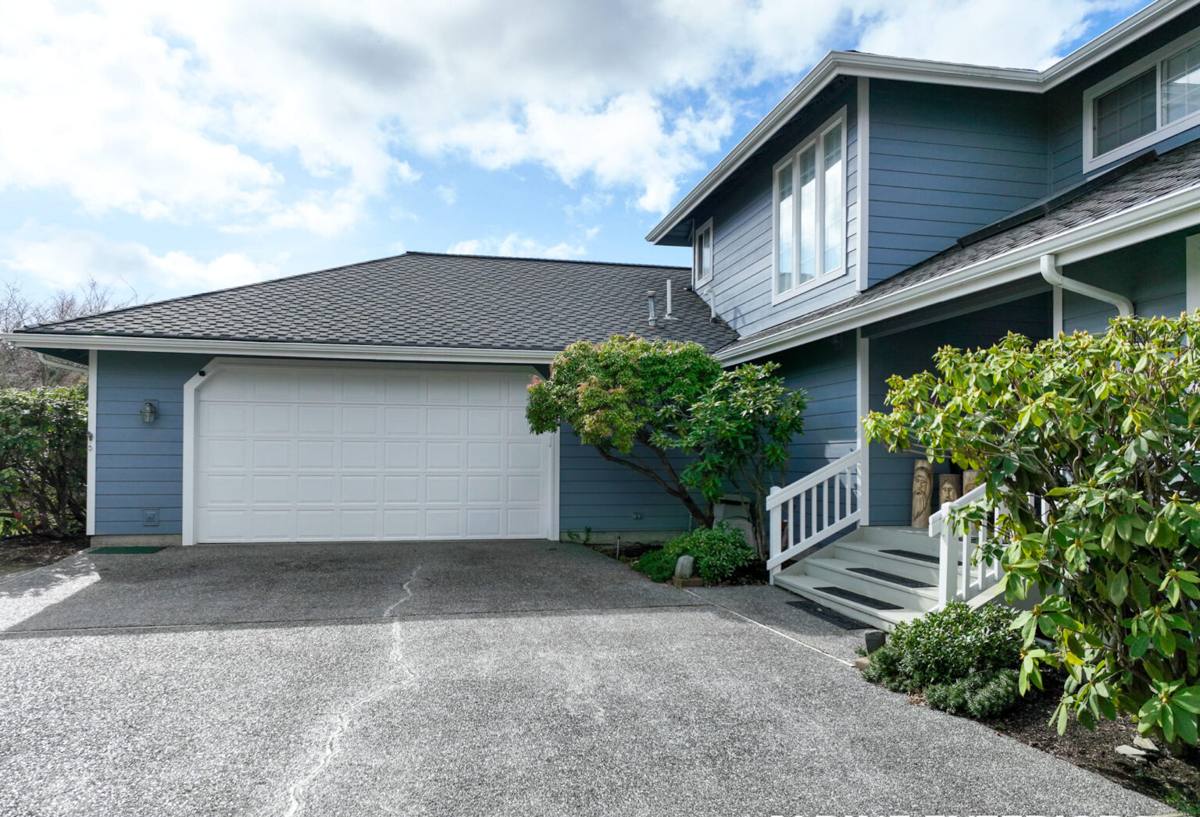
What Edison's Climate Actually Does to a Deck
Salt air
Airborne salt off the bay accelerates corrosion on anything metal — fasteners, joist hangers, screws, railing hardware. On a lot of decks we've been called to repair or replace, the boards themselves were still fine but the fasteners underneath had corroded and let the structure work loose. Salt exposure doesn't ruin composite decking boards the way it can pit bare steel, but it absolutely dictates what hardware and fasteners we use underneath and around them.
Driving rain
Storms coming off the water in this part of Skagit County tend to drive rain sideways, not just down. That matters for decking because it pushes water into gaps, under boards, and against ledger boards and house connections that a straight-down rain would never reach. Flashing detail at the house connection and drainage underneath the deck matter more here than they would on a sheltered inland lot.
Long moss season
Skagit County's moss season runs long — often eight months or more of the right combination of shade, moisture, and mild temperatures for moss and algae to take hold. On wood decking, moss gets a foothold in the wood grain itself and is very hard to fully remove without damaging the board. On composite, moss and algae stay on the surface and come off with routine cleaning, which is one of the biggest practical differences homeowners notice after switching.
Composite vs. Other Decking Materials for This Climate
| Material | Behavior in salt air / damp | Moss & algae | Upkeep |
|---|---|---|---|
| Pressure-treated wood | Absorbs moisture, cups and checks over time, fasteners corrode faster in salt air | Takes hold in the grain; hard to fully remove | Annual cleaning, sealing, and inspection for rot |
| Cedar | More rot-resistant than PT pine but still absorbs moisture and moves seasonally | Same as PT — surface treatments only slow it | Regular sealing/staining to hold color and resist moisture |
| Capped composite | Cap layer sheds moisture and resists salt exposure well; core is protected | Sits on the surface, cleans off with a wash | Periodic cleaning; no sealing or staining |
| Uncapped/early-generation composite | More moisture uptake at cut ends and edges than capped boards | Can still stain if not cleaned | More attention needed at cut ends, still low vs. wood |
We install capped composite almost exclusively for exactly this reason — the cap layer is what's doing the real work against Edison's combination of salt air and prolonged damp. We treat that as our standard for this area, not because other materials are without merit, but because the maintenance burden and moisture behavior of wood in this specific climate doesn't make sense for most homeowners who want a deck they can actually use instead of maintain.
What a Correct Composite Deck Install Involves
Substructure first
Composite boards are only as good as what's underneath them. In a damp, salt-exposed area like Edison, we pay particular attention to:
- Joist tape or a moisture barrier on top of every joist, so the framing underneath the boards isn't sitting in standing water
- Corrosion-resistant, coastal-rated fasteners and hardware — not standard interior-grade hardware — throughout the substructure
- Proper joist spacing for the specific composite product being used (composite typically needs tighter spacing than wood, especially at angles or picture-frame borders)
- Correct flashing at the ledger board where the deck meets the house, so driving rain can't work its way behind the connection
- Adequate slope and drainage underneath the deck so water doesn't pool against posts or footings
Fastening and expansion
Composite boards expand and contract with temperature more than people expect, and hidden fastener systems have to account for that movement or you end up with buckling or squeaking within a couple of seasons. We follow the manufacturer's specified gap and fastener spacing for the actual product installed, not a generic rule of thumb, because that spec changes from one composite line to another.
Railing and post connections
Railing posts are one of the most common failure points we see on older decks in this area, because post connections are exposed to weather from multiple sides and often get less attention during the original build. We anchor posts through the framing (not just the decking) and use hardware rated for the exposure.
Our Process for an Edison Composite Deck
- On-site assessment — we look at sun and shade exposure, drainage across the lot, proximity to the water, and the condition of any existing structure if this is a replacement rather than new build.
- Design and material selection — board color, profile, and railing style, along with the substructure plan specific to your site's exposure.
- Permitting — decks above certain heights or attached to the house typically require a permit through the county or local jurisdiction; we handle that as part of the job, not as an afterthought.
- Substructure build — framing, flashing, joist protection, and drainage, inspected before a single composite board goes down.
- Decking and railing install — boards, fasteners, and railing installed to manufacturer spec for expansion and spacing.
- Final walkthrough — we check every board, connection, and railing point with you before calling the job done.
Maintenance: What Edison Homeowners Actually Need to Do
One of the real advantages of composite in this climate is how little upkeep it needs compared to wood — but "little" isn't "none." A realistic maintenance routine for a composite deck near the water in Skagit County looks like this:
- Rinse or sweep the deck surface a few times a year, more often in the shaded, damp months when moss is actively growing
- Use a soft-bristle brush and a composite-safe cleaner on any spots where moss or algae has started to take hold — avoid pressure washers set too high, which can damage the cap layer
- Check railing posts and fastener points annually for corrosion, especially if the deck faces open water or prevailing wind
- Keep gutters and downspouts near the deck clear so runoff isn't concentrating extra water onto the deck surface or substructure
- Clear leaves and debris from between boards where moisture and organic material can collect and feed moss growth
What Drives Cost on a Composite Deck in This Area
| Factor | Why it matters here |
|---|---|
| Substructure condition | Replacing rotted or corroded framing adds cost but is not optional in a salt-air, high-moisture environment |
| Board tier | Capped composite lines vary in price; higher-end boards typically have thicker caps and stronger fade/stain resistance |
| Railing system | Composite, aluminum, and cable railing all have different material and labor costs, and different corrosion behavior in salt air |
| Height and permitting | Elevated decks need engineered footings and permits, which adds both time and cost |
| Site access | Rural Edison properties sometimes have limited equipment access, which can affect labor time for demo and material staging |
We give a firm, itemized quote after the on-site assessment rather than a phone estimate, because the substructure condition and site access make a real difference in what a job actually costs.
Why It Matters That We Already Work in Edison
A lot of decking problems we get called to fix started with a crew that built to a generic spec instead of the conditions on that specific lot — standard interior-grade fasteners in a salt-air zone, no joist protection under the boards, or drainage that wasn't planned for this area's rain pattern. We work throughout Skagit County, and Edison's mix of coastal exposure and farmland humidity is a known quantity to us, not a guess. That shows up in the small decisions — which fastener grade we spec, how tight we set expansion gaps, how we detail the ledger flashing — that determine whether a deck is still solid and clean in ten years or needs early repairs.
If you're planning a new composite deck or replacing an aging wood deck in Edison, we're happy to come take a look and walk you through what your specific site needs. There's no cost and no pressure to move forward — just a straight assessment and a clear quote. Use the form below to request a free estimate.