 Skagit County
 Decking That Has to Work Through a Skagit County Winter
Clear Lake sits in a part of Skagit County where decks don't get an easy life. Between the driving rain off the water, the humid air that settles into low-lying yards, and the long stretch of gray months when a deck barely sees direct sun, outdoor living space here takes a beating that a lot of national decking guides simply don't account for. A deck that would hold up fine in a dry climate can start showing algae streaks, soft spots, or warped boards within a couple of seasons if it wasn't built and finished correctly for our conditions.
We install composite decking for homeowners around Clear Lake and the surrounding Skagit County area, and the jobs we get called back to fix almost always trace back to the same handful of shortcuts: no real drainage plan under the deck, fasteners that weren't rated for wet-cycle use, or boards installed tight with no room to move. None of that shows up on day one. It shows up two winters later.
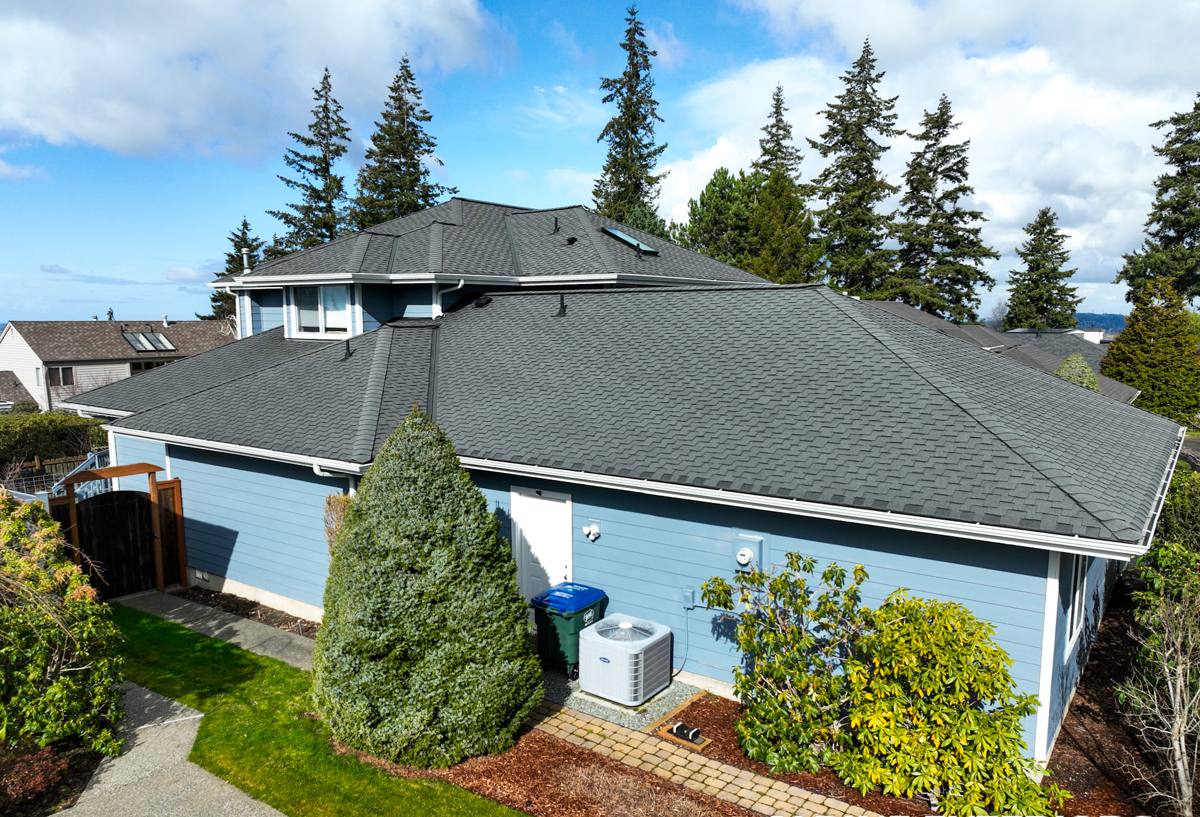
What Clear Lake's Climate Actually Does to a Deck
It helps to be specific about what's working against a deck here instead of talking in generalities.
Moisture That Doesn't Let Up
Skagit County gets long stretches of steady, driving rain rather than short heavy downpours. That means wood and composite surfaces stay damp for days at a time instead of drying out between storms. Any gap in flashing, any low spot that holds water, or any board laid without airflow underneath becomes a place where moisture just sits.
Moss and Algae Season
The same shade and dampness that make Clear Lake yards green also make deck surfaces a good home for moss and algae, especially on the north side of a house or under tree cover. Moss holds moisture against the board surface and, on lower-quality composite or poorly finished wood, that constant damp contact is what starts the slow breakdown of the material.
Salt-Tinged Air
Being near the water in this part of the county means fasteners, brackets, and any exposed metal hardware are exposed to a mild but steady dose of salt air. Standard interior-grade screws and connectors corrode faster here than they would further inland, which is why hardware selection matters as much as the decking material itself.
What a Correctly Built Composite Deck Involves
Composite decking is popular here for good reason — it doesn't need staining, it resists rot, and it holds up to moisture better than untreated wood. But the material only performs as well as the installation underneath it. A correct composite deck build includes several things that are easy to skip if a crew is moving fast.
- A substructure built with pressure-treated or naturally rot-resistant framing, spaced and supported to the manufacturer's actual span ratings for our climate — not stretched to save on joists
- Joist tape or a comparable moisture barrier on top of every joist, so the framing underneath the deck boards isn't absorbing water every time it rains
- Proper airflow underneath the deck surface so boards can dry out between wet spells instead of sitting damp against the frame
- Hidden or manufacturer-approved fastening systems rated for coastal or high-moisture exposure, not standard interior hardware
- Correct expansion gaps between boards and at all fixed points, since composite material moves with temperature and moisture changes
- Ledger board flashing that actually sheds water away from the house rim joist, which is one of the most common failure points we find on older decks
- Grading or drainage planning underneath the deck so water doesn't pool against posts or footings
Skip any one of these and the deck will probably still look fine for a year or two. The problems that show up after that — soft framing, staining, boards that cup or creep — are almost always traceable back to one of these steps being rushed.
Choosing the Right Composite Board
Not all composite decking is built the same way, and the differences matter more in a climate like ours than they would somewhere dry. The two broad categories are capped and uncapped composite.
| Board Type | How It Handles Our Climate | Maintenance | Typical Lifespan |
|---|---|---|---|
| Capped composite | Outer polymer shell resists moisture absorption and staining from moss/algae contact | Occasional wash-down; no sealing or staining | 25-30+ years |
| Uncapped composite | More exposed to surface moisture and mildew staining over time in wet, shaded areas | Periodic cleaning; some products benefit from a protective wash | 15-25 years |
| Pressure-treated wood (for comparison) | Absorbs moisture readily; higher risk of warping, splintering, and rot in shaded, damp spots | Annual staining/sealing, regular inspection | 10-15 years with upkeep |
For most Clear Lake properties, especially anything with tree cover or a north-facing exposure, we steer homeowners toward capped composite. It's a higher upfront cost, but the maintenance savings and moisture resistance are exactly what this climate rewards. We'll walk through the specific product lines during your estimate and explain the honest trade-offs — including where a lower-tier board might genuinely make sense for a budget-conscious project like a small side deck or utility platform.
Our Process for a Clear Lake Deck Project
1. On-Site Assessment
We look at sun exposure, drainage slope, existing framing condition (if this is a replacement), and how the deck ties into the house. In Skagit County, we're also checking for any permit requirements tied to the county or your specific property, since deck height and attachment to the home can trigger permitting.
2. Framing and Structural Prep
If the existing substructure isn't sound, we replace it rather than deck over a compromised frame. This is where the joist tape, proper spacing, and ledger flashing get done right the first time.
3. Board Installation
Boards go down with the correct fastening system and expansion gaps, following the manufacturer's pattern for our climate zone rather than a generic layout.
4. Finish Details
Fascia, stair treads, railing, and any picture-frame border get finished out, with hardware chosen for moisture and salt-air exposure rather than standard interior-grade fasteners.
5. Final Walkthrough
We walk the finished deck with you, cover basic care, and point out anything worth watching, like a shaded corner that may need more frequent cleaning during moss season.
Common Problems We Find on Older Clear Lake Decks
When we're called out to look at an existing deck near Clear Lake, a few issues come up repeatedly:
- Soft or spongy spots near the ledger board, usually from years of water tracking down the house wall behind missing or failed flashing
- Green or black staining concentrated on the shaded side of the deck, where moss and algae have had constant moisture to work with
- Boards that have cupped or creeped out of alignment because they were installed without proper expansion gaps
- Rusted or corroded fasteners causing loose boards, particularly on decks closer to the water
- Standing water underneath the deck due to poor grading, which slowly undermines posts and footings
Most of these are preventable with correct installation from the start, which is why we spend more time on the substructure and drainage plan than on the visible boards themselves.
What Affects the Cost of a Composite Deck Project
| Factor | Why It Matters Here |
|---|---|
| Board tier (capped vs. uncapped) | Capped composite costs more upfront but handles our moisture and moss exposure with far less maintenance |
| Substructure condition | Replacing failed framing, adding joist tape, and correcting drainage adds cost but prevents early failure |
| Deck size and layout | Multi-level decks, stairs, and custom shapes increase material and labor |
| Railing and fascia choices | Composite or metal railing systems cost more than basic wood but hold up better to our climate |
| Site access and grading | Sloped or hard-to-access yards near Clear Lake can affect equipment access and footing work |
| Permitting | Height and attachment to the home may require county permitting, which affects timeline and scope |
We give straightforward, itemized estimates so you can see where the money is going, rather than a single lump number that hides whether you're getting proper drainage and hardware for the site conditions.
Keeping a Composite Deck in Good Shape Year-Round
- Sweep debris and standing leaves off the surface regularly during fall, especially in shaded areas prone to moss
- Wash the deck surface a couple of times a year with mild soap and water to keep algae and moss from taking hold
- Keep gutters and downspouts near the deck clear so water isn't dumping directly onto or under the structure
- Check railing posts and stair connections annually for looseness, especially after a hard winter
- Trim back overhanging branches to reduce shade and debris buildup on the boards
- Confirm underneath the deck stays ventilated — don't enclose the space in a way that traps moisture against the framing
Why Hiring a Crew That Already Works in Clear Lake Matters
Composite decking installation isn't complicated in theory, but doing it correctly for a wet, moss-prone, salt-air-adjacent climate like ours takes local judgment — knowing which hardware actually holds up, how much drainage slope a given yard needs, and where flashing tends to fail on this style of home construction. A crew that only works in drier parts of the state, or one that treats every deck the same regardless of exposure, is more likely to skip the details that matter most here.
We work throughout Skagit County, including Clear Lake, and we build every composite deck with this specific climate in mind — not a generic national installation standard. That means proper joist protection, drainage planning, and hardware selection are part of every job, not an upsell.
If you're planning a new composite deck or want an honest look at whether your existing deck needs repair or replacement, we're happy to come take a look. Reach out for a free, no-pressure estimate using the form below — we'll walk the site with you and give you a straight answer on what your deck actually needs.