 Skagit County
 Why Alger Homes Need Windows Built for This Climate
Alger sits in a stretch of Skagit County where marine air off the water, heavy timber cover, and a long wet season all work against a house at the same time. Windows here don't just have to look good — they have to shed wind-driven rain, resist the slow corrosion that comes with salt-tinged air, and keep functioning through months of damp, low-light conditions where moss and mildew get a foothold on anything that stays wet too long. A window that's fine in a dry inland climate can fail early out here if it wasn't chosen and installed with this weather in mind.
When we talk about "custom windows" for a home in this area, we mean windows sized and detailed to fit the actual opening and the actual wall assembly — not a stock size forced into place with extra trim to hide the gaps. Custom work costs more up front in labor and materials, but it's the difference between a window that sheds water for decades and one that starts leaking at the corners within a few winters.
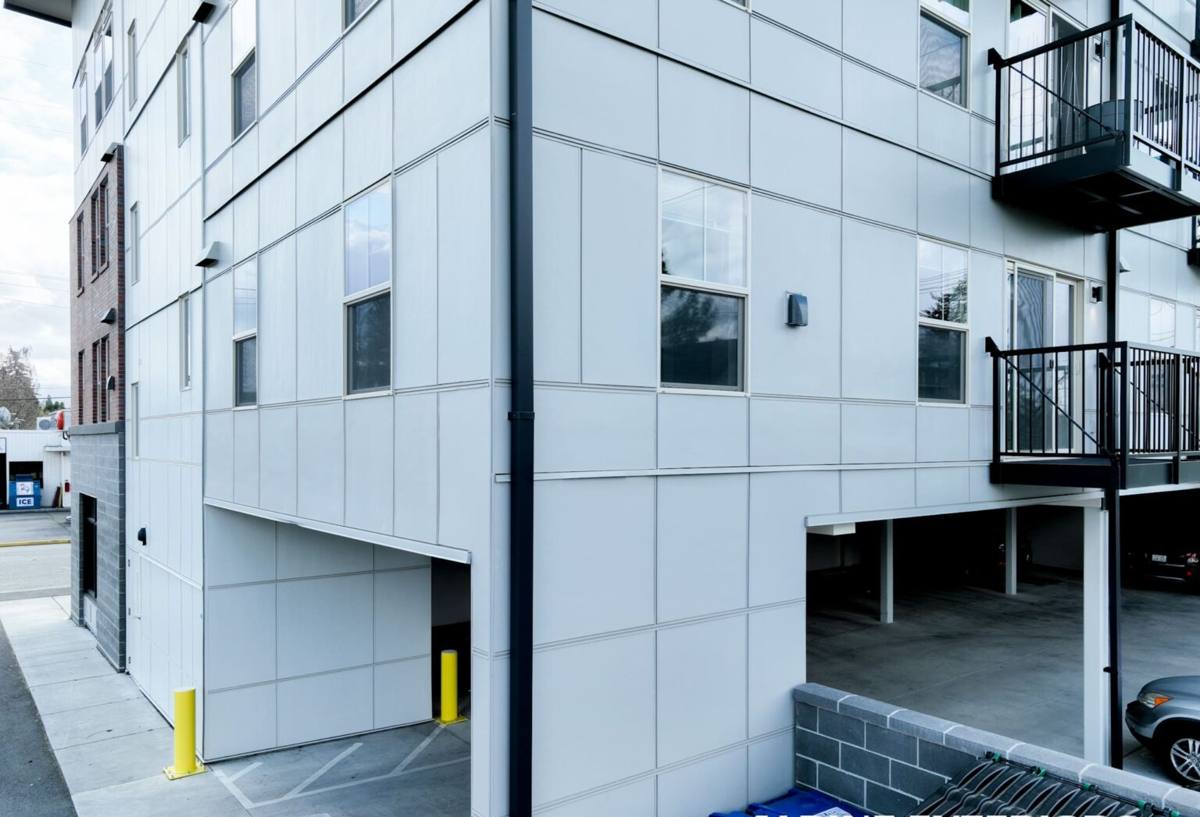
What Skagit County Weather Does to the Wrong Window
Salt Air and Metal Components
Homes with any exposure to Puget Sound and Samish Bay air deal with a slow, steady corrosion process on unprotected metal — hinges, cranks, screws, and cheap cladding fasteners. It's not dramatic; it's a window that gets harder to open every year until the hardware seizes or a fastener rusts through. Materials and hardware finishes matter more here than they would forty miles inland.
Wind-Driven Rain and Water Intrusion
Skagit County gets rain that doesn't just fall — it's pushed sideways by wind off the water and through the tree line. That kind of rain finds every shortcut in a window's flashing and sealant. Most of the window failures we get called out for in this region aren't the glass or the sash — they're water getting behind the frame through a flashing detail that was skipped or done wrong, then rotting the framing before anyone notices a problem.
Moss, Mildew, and Prolonged Dampness
Alger's tree cover keeps a lot of the neighborhood shaded and slow to dry out after a storm. Wood sills and trim that stay damp for days at a time grow moss and mildew, and untreated or poorly finished wood components can start softening from the outside in. Window products and installation details that work fine in a sunny climate need extra attention here.
What a Correct Custom Window Installation Involves
Measuring and Fit
Every opening in an older Alger home is slightly different — settling, past repairs, and original construction tolerances all add up. We measure each opening individually rather than assuming a standard size, because a window that's even a little undersized or oversized forces extra caulk and shim work that becomes the first place water gets in.
Flashing and Water Management
This is the part of the job nobody sees once the trim goes back on, and it's the part that determines whether the window lasts. Proper installation means integrating window flashing with the existing weather-resistive barrier so water is directed out and down, never trapped behind the frame. A sloped sill pan, correctly lapped flashing tape, and a drainage path at the bottom of the opening matter more to a window's long-term performance than the brand name on the frame.
Sealing Without Trapping Moisture
There's a common mistake of sealing a window airtight on both the interior and exterior. Any water that does get past the outer defenses needs somewhere to go — if it's sealed in on both sides, it just sits in the wall cavity. We seal the interior tight for air and energy performance while leaving the exterior detail able to drain, which is the standard approach for this kind of climate.
Frame Material Comparison for This Climate
| Material | How It Handles Salt Air & Moisture | Maintenance | Notes for Alger Homes |
|---|---|---|---|
| Vinyl | Won't corrode or rot; performs consistently in damp, salt-influenced air | Low — occasional cleaning | Our standard recommendation for most homes in this area; good value and low long-term upkeep |
| Fiberglass | Very stable, minimal expansion/contraction, strong resistance to moisture damage | Low | Worth the added cost for larger openings or homes with more direct weather exposure |
| Wood-clad | Interior wood needs protection from condensation; exterior cladding shields the wood if detailed correctly | Higher — interior finish and seals need periodic attention | Best suited to homes prioritizing a wood interior look and willing to keep up with maintenance |
| Aluminum | Prone to corrosion in salt-influenced air unless heavily treated; conducts cold and can encourage condensation | Moderate to high | We generally steer homeowners away from bare aluminum frames this close to the water |
Glass and Hardware Choices That Make Sense Here
Double-pane, low-E glass with an argon fill is the baseline we recommend for Alger homes — it cuts heat loss and helps manage the condensation that comes with a house full of warm, moist air sitting against cold glass on a wet winter night. Triple-pane glass adds further insulation value and is worth discussing for north-facing rooms or homes with especially high heating costs, but it adds weight and cost that isn't necessary for every opening.
Hardware finish matters as much as the glass package. Stainless steel or coated hardware resists the slow corrosion that plain steel or bare aluminum hardware develops in this air. It's a small line item on an estimate that has an outsized effect on how the window operates ten years from now.
Our Process for an Alger Window Project
- On-site assessment: We look at each opening, the condition of the existing framing and flashing, and any signs of past water intrusion before recommending anything.
- Honest scope and estimate: You get a written estimate that separates window cost from installation labor, so you know what you're paying for.
- Precise measurement: Every window is ordered to the actual opening, not a rounded stock size.
- Removal and inspection: Old windows come out carefully so we can check the framing underneath for rot or prior water damage before it's covered back up.
- Correct flashing and sealing: Sill pan, flashing tape, and drainage details go in before the new window, not as an afterthought.
- Installation and finish work: The window is set, shimmed, insulated, and trimmed to match the surrounding siding or trim.
- Final check: We confirm the window operates smoothly and the seal is complete before we call the job done.
Warning Signs Your Current Windows Are Losing the Fight
- Fogging or moisture between the panes of a double-pane window — a sign the seal has failed
- Soft or discolored trim and sills, especially at the bottom corners
- Windows that have gotten harder to open, close, or lock over the past year or two
- Visible moss or dark staining building up on sills, frames, or nearby trim
- A noticeable draft or cold spot near the window frame in winter
- Paint or finish that's peeling or bubbling on the interior sill, which often points to trapped moisture
None of these mean the whole house needs new windows tomorrow, but they're worth having looked at before the framing behind the window is affected.
Why a Crew That Already Works Alger Makes a Difference
A crew that regularly works this part of Skagit County already knows which details matter most for the local weather — how much clearance to leave for wood that will swell in the wet season, which flashing sequence actually sheds the kind of driving rain this area gets, and which frame materials hold up under the salt-air exposure common to homes near the water. That's knowledge that only comes from doing the work here repeatedly, not from a general install checklist written for a different climate. It also means we're familiar with the permitting expectations in the county and can plan a project without surprises.
Protecting Your Investment After Installation
A correctly installed custom window is close to maintenance-free, but a little seasonal attention extends its life. Rinse salt residue off exterior frames a couple of times a year if the home has direct water exposure, keep weep holes and drainage paths clear of debris and moss, and check exterior caulking annually for cracking or gaps — caulk is a wear item, and catching a failed bead early is a lot cheaper than dealing with the water damage it eventually causes.
If you're weighing new windows for a home in Alger, we're happy to take a look and give you a straightforward, no-pressure estimate — no invented urgency, just an honest read on what your windows need and what it will cost to do the job right for this climate.