 Skagit County
 Why Alger Roofs Wear Differently Than Roofs Inland
Alger sits in a stretch of Skagit County where three things converge on a roof at the same time: salt-laden air drifting in off nearby saltwater, heavy wind-driven rain rolling through in fall and winter, and dense tree cover that keeps roof surfaces shaded and damp for long stretches of the year. Any one of those is manageable on its own. Together, they shorten the useful life of a roofing system that wasn't built with all three in mind. A roof that would hold up fine in a drier, more open part of the county can start showing granule loss, moss colonies, and soft decking years ahead of schedule out here.
This page is about one job done right in this one area: putting a new roof on an Alger home, built for the conditions that actually exist on this property, not a generic spec sheet.
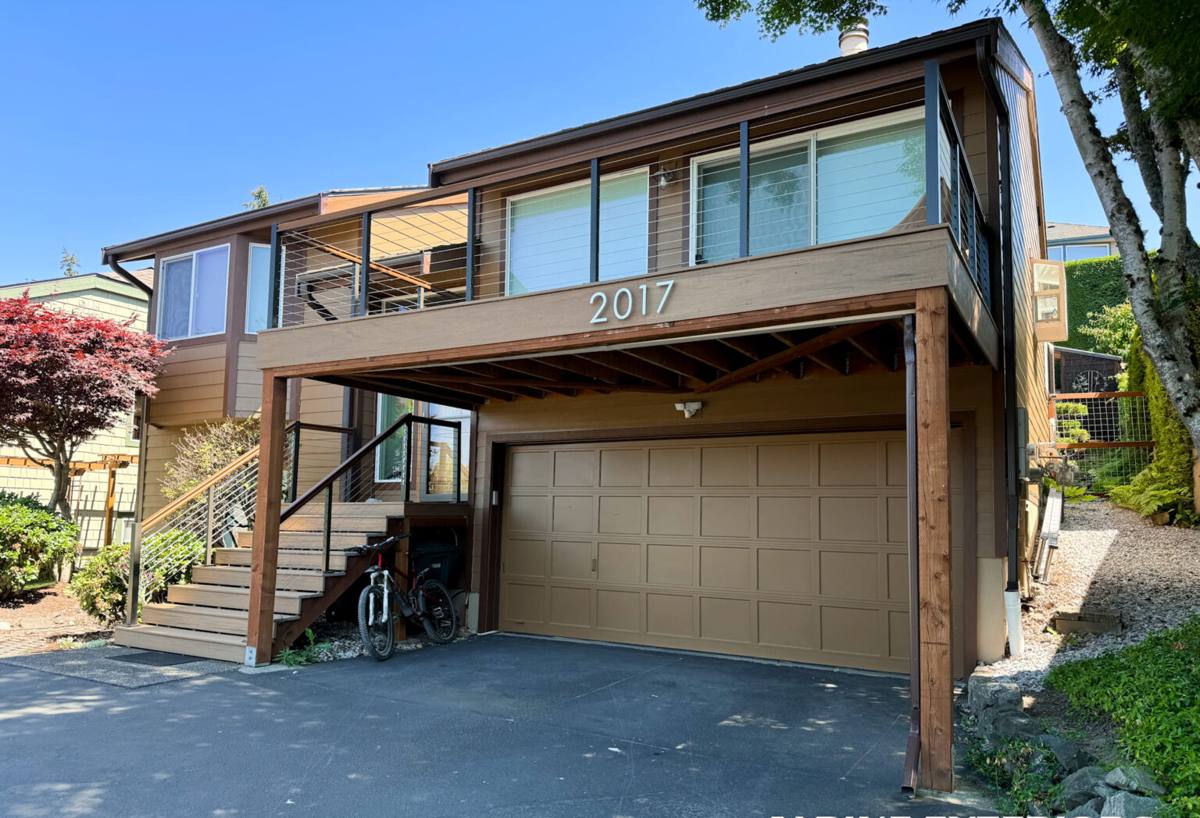
What the Local Climate Actually Does to a Roof
Salt Air and Metal Fatigue
Airborne salt doesn't just affect homes directly on the water. It travels on wind and settles on any exposed metal — flashing, fasteners, vent caps, gutter hardware. Over time it accelerates corrosion on lower-grade or improperly coated metal components. This matters most at the details: the flashing around chimneys and skylights, the drip edge, the nails holding everything down. A roof can look fine from the ground while its metal components are quietly corroding underneath the shingles.
Driving Rain and Wind-Driven Water
Skagit County winters bring rain that doesn't fall straight down — it gets pushed sideways by wind, which means it finds its way into laps, seams, and fastener penetrations that would stay dry in a calmer climate. A roof system here has to assume water will be pushed uphill under shingles at some point, not just run downhill off them. That changes how underlayment, flashing, and shingle overlap need to be handled.
Shade, Moisture, and Moss
Alger's tree cover keeps a lot of roof surfaces out of direct sun for large parts of the day, especially on north-facing slopes. Shaded, damp roof surfaces are exactly what moss and algae need to establish. Once moss takes hold, it holds moisture against the roofing material, works its way under shingle edges, and lifts them slightly — which is when leaks start, often well before the shingles themselves have worn out.
Signs a Roof Needs Replacement, Not Another Repair
Not every roofing problem calls for a full tear-off. But there's a point where patching stops making financial sense. Some signals we look for on Alger roofs specifically:
- Moss established across multiple slopes rather than isolated patches, especially on shaded north- or east-facing roof planes
- Granule loss heavy enough that shingle color has gone patchy or the roof looks "bald" in spots
- Soft or spongy decking felt underfoot during inspection, a sign moisture has already gotten past the shingles
- Repeated leaks around the same flashing points despite prior repairs
- Shingles curling, cupping, or losing their seal, especially on slopes that catch the most wind-driven rain
- A roof already at or past its expected service life, where further repair is just delaying a full replacement
If a roof is showing two or more of these, a new installation is usually the more honest recommendation than another round of spot repairs.
Choosing a Roofing System Built for Alger Conditions
There's no single "best" roofing material for every home — it depends on the roof's pitch, how much shade it sits under, and the homeowner's budget and timeline. Here's how the common options stack up against Alger's specific conditions:
| Roofing Option | Moss/Algae Resistance | Wind-Driven Rain Performance | Typical Lifespan | General Cost Position |
|---|---|---|---|---|
| Standard asphalt composition shingle | Moderate — benefits from algae-resistant granules | Good when installed with proper underlayment and flashing | 20-30 years | Lower upfront cost |
| Architectural (dimensional) asphalt shingle | Good, especially with algae-resistant granule options | Very good — thicker profile sheds wind-driven rain better | 25-35 years | Mid-range |
| Standing seam metal | Excellent — smooth surface resists moss establishment | Excellent — few horizontal laps for water to find | 40-60 years | Higher upfront cost |
| Synthetic/composite shingle | Good, varies by product | Good | 30-50 years | Mid to upper range |
For heavily shaded lots — common in Alger — we lean toward materials and details that resist moss establishment in the first place, since removing moss after the fact is a maintenance burden homeowners end up carrying for the life of the roof.
What a Correct New Roof Installation Actually Involves
Full Tear-Off and Deck Inspection
We don't install new roofing over old. A full tear-off lets us inspect the roof deck itself for soft spots, rot, or delamination — problems that are invisible from above and that, left in place, will undermine even the best new roofing material. Any damaged decking gets replaced before anything new goes down.
Underlayment Built for Wind-Driven Rain
Given how much of this region's rain arrives sideways, underlayment choice and installation matter more here than in drier inland areas. Self-adhered ice-and-water shield at eaves, valleys, and around every penetration gives a second line of defense in the exact spots where wind-driven water tends to find its way in.
Flashing and Fasteners That Handle Salt Air
Given the salt air exposure common across this part of Skagit County, we pay close attention to the corrosion resistance of flashing, fasteners, and any exposed metal trim. Cutting corners here is a common reason roofs develop leaks around chimneys, skylights, and vent penetrations years before the shingles themselves are due for replacement.
Moss-Resistant Detailing
On heavily shaded roof planes, we can incorporate zinc or copper strips near the ridge, which release trace metal ions that discourage moss and algae growth as rain washes over them. It's not a substitute for good ventilation and material choice, but it's a meaningful extra layer of defense on the parts of a roof that stay damp longest.
Proper Attic and Roof Ventilation
A roof that can't breathe traps moisture underneath the roofing material, which shortens its life from below just as surely as weather wears it from above. Balanced intake and exhaust ventilation is part of a correct installation, not an optional add-on — especially on homes with the kind of moisture load this climate produces.
Our Process, Start to Finish
- On-site inspection. We walk the roof and attic, note the deck condition, ventilation setup, flashing points, and any moss or shading issues specific to the property.
- Honest recommendation. We explain what the roof actually needs — repair versus replacement, material options that fit the home and budget — without upselling.
- Written estimate. A clear scope of work and price, with material options laid out so the homeowner can compare trade-offs directly.
- Scheduling around weather. Roofing in this climate means working around rain windows. We plan tear-off and dry-in carefully so the home isn't left exposed longer than necessary.
- Tear-off and deck repair. Old roofing removed, deck inspected and repaired as needed before anything new goes down.
- Installation. Underlayment, flashing, ventilation, and the roofing material itself installed to manufacturer specification and to the added detailing this climate calls for.
- Final walkthrough and cleanup. Site cleared of debris and nails, and a final review of the completed roof with the homeowner.
Before You Sign With Any Roofing Contractor
Whoever does the work, a few questions are worth asking upfront — for this job or any roof replacement in the county:
- Is the estimate a full tear-off, or does it include layering over existing roofing?
- What underlayment is specified at eaves, valleys, and penetrations?
- Is deck repair included if rot or soft spots are found, or is that a separate charge?
- What's the ventilation plan, and does it match the attic's actual needs?
- What warranty covers materials versus workmanship, and for how long?
- Are they licensed and insured to work in Washington, and can they show it?
Why a Crew That Already Works Alger Makes a Difference
A roofing crew that regularly works this stretch of Skagit County has already seen how salt air, driving rain, and moss behave on homes with similar exposure, shading, and roof pitches to yours. That's not a marketing point — it changes practical decisions like where to add extra underlayment, whether a given slope needs moss-resistant detailing, and which flashing details tend to fail first in this specific microclimate. A crew unfamiliar with the area is starting from a generic checklist. A local crew is starting from what actually happens to roofs here.
Keeping a New Roof Performing After Installation
A correctly installed roof still benefits from some basic upkeep in this climate:
- Keep gutters clear so water isn't backing up under the roof edge during heavy rain
- Trim back overhanging branches where possible to reduce shade and debris buildup
- Have moss growth addressed early, before it lifts shingle edges
- Schedule a periodic visual inspection, particularly after major windstorms
None of this is heavy maintenance — it's the difference between a roof that reaches the top end of its expected lifespan and one that falls short of it because small issues went unaddressed.
If your Alger home needs a new roof, or you're not sure whether repair or replacement makes more sense, we're happy to take a look and give you a straight answer. Use the form below to request a free, no-pressure estimate.